|
Why Hostels Are Perfect for Company Retreats and Team-Building Trips
Company retreats and team-building trips play a crucial role in strengthening workplace relationships, improving collaboration, and fostering a positive work culture. While many businesses opt for hotels or private resorts for these gatherings, hostels present an alternative that is both cost-effective and uniquely suited to group dynamics. The shared spaces, communal atmosphere, and affordability of hostels create the perfect environment for colleagues to connect outside of the office. Choosing the right setting for a corporate retreat can significantly impact its success, and hostels provide an experience that goes beyond just accommodation. They encourage teamwork, interaction, and immersive experiences that help teams grow stronger.
Cost-Effective Accommodation Without Sacrificing Quality
Budget constraints often influence decisions regarding company retreats, and accommodation can consume a large portion of the budget. Hotels and resorts, while comfortable, can be expensive, especially for large teams requiring multiple rooms. Hostels offer a budget-friendly alternative, allowing companies to book accommodations at a fraction of the cost without sacrificing quality. These savings can then be redirected toward valuable team-building activities, workshops, and excursions that enhance the retreat experience.
Many modern hostels have moved away from the stereotype of basic, cramped dormitories and now offer a variety of room options. Private rooms are available for employees who prefer solitude, while dormitory-style accommodations promote team bonding in a more relaxed environment. Some hostels even provide exclusive floor rentals, giving companies the ability to create a semi-private retreat atmosphere while still enjoying the benefits of a social setting.
In addition to affordability, hostels are increasingly designed with comfort in mind. Many feature stylish interiors, comfortable beds, en-suite bathrooms, and coworking spaces that allow for both relaxation and productivity. Unlike generic corporate hotels, which often feel impersonal, hostels tend to have a welcoming, home-like atmosphere that encourages interaction and collaboration.

Strengthening Team Bonds Through Shared Spaces
One of the biggest challenges of corporate retreats is ensuring that team members engage with one another beyond scheduled activities. Traditional hotels often lead to employees retreating to their private rooms after meetings, reducing opportunities for informal bonding. Hostels, however, are designed to foster interaction.
The common areas, including lounges, game rooms, and shared kitchens, create natural meeting points where team members can casually engage with one another. Whether it’s a late-night discussion over coffee in the communal kitchen or a friendly competition at the hostel’s foosball table, these spontaneous interactions help break down workplace barriers. Employees who might not typically work together in the office have the chance to connect in a relaxed, pressure-free setting.
Many hostels also organize social events, which can serve as organic team-building exercises. Group dinners, trivia nights, and local tours provide employees with opportunities to interact in ways that go beyond structured corporate icebreakers. These informal moments help build stronger relationships, which in turn contribute to a more collaborative and cohesive workplace culture.
Encouraging Collaboration and Creativity
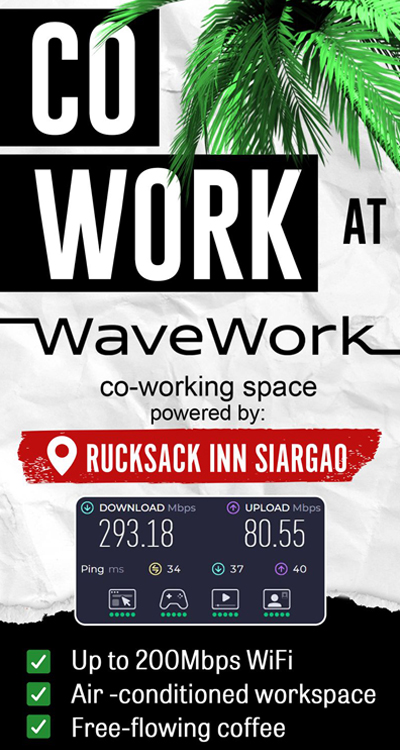
For a company retreat to be successful, the environment should inspire both relaxation and productivity. Hostels often provide a unique blend of casual and functional spaces, making them ideal for collaborative work. Many hostels cater to digital nomads and remote workers, meaning they are equipped with coworking spaces, high-speed internet, and meeting rooms—features that align well with the needs of a corporate retreat.
Unlike the sterile atmosphere of a conference room in a hotel, hostel common areas have a more relaxed and inspiring ambiance. Whether employees are brainstorming ideas on a rooftop terrace, strategizing in a creative coworking lounge, or engaging in open discussions in a cozy café-style space, the change in environment can help spark new ideas and boost motivation.
Team-building exercises often require collaboration, and hostels naturally support this through their communal design. Employees may find themselves working together to cook meals in a shared kitchen, planning group outings, or even engaging in hostel-organized community projects. These experiences reinforce teamwork, adaptability, and communication—essential skills that translate directly to workplace success.
Immersing in Local Culture and Unique Experiences
Corporate retreats should be more than just a change of scenery—they should provide meaningful experiences that bring teams closer together. Unlike luxury hotels, which often feel isolated from their surroundings, hostels are typically located in lively neighborhoods or cultural hubs. This allows teams to immerse themselves in local culture and engage in unique, location-specific activities.
Many hostels collaborate with local businesses and tour operators to offer customized group experiences. Teams can participate in everything from guided city tours and outdoor adventures to hands-on workshops such as cooking classes or artisan craft sessions. These activities create lasting memories and strengthen team bonds in ways that standard corporate meetings cannot.
For companies looking to integrate an element of corporate social responsibility into their retreats, many hostels offer opportunities to engage with local communities. Teams can volunteer for environmental clean-up projects, participate in cultural exchange programs, or support local non-profits. These experiences not only add value to the retreat but also help employees develop a sense of shared purpose and commitment to making a positive impact.

Flexible and Customizable Retreat Experiences
Every company has different goals for their retreat, and hostels provide the flexibility needed to tailor the experience accordingly. Unlike hotels that often have rigid booking structures, many hostels offer customizable packages for corporate groups. Businesses can reserve entire dormitories, rent private meeting spaces, or even book out an entire hostel for a more exclusive experience.
Many hostels also provide catering options, allowing companies to organize group meals without the hassle of coordinating external restaurants. This can be particularly beneficial for teams that want to incorporate shared meals into their retreat schedule as a way of strengthening relationships. Some hostels even have in-house chefs or partnerships with local caterers to provide healthy, locally sourced meals that enhance the overall experience.
Additionally, hostel staff are often experienced in handling group bookings and can assist with arranging transportation, organizing excursions, and providing recommendations for team-building activities. This level of support ensures a smooth and stress-free retreat experience.
Sustainability and Eco-Friendly Travel
Sustainability is an increasing priority for many companies, and choosing an eco-friendly retreat venue aligns with corporate social responsibility goals. Hostels tend to have a lower environmental footprint than large hotels due to shared resources and conscious sustainability efforts. Many hostels implement green initiatives such as solar energy, waste reduction programs, and water conservation practices.
By choosing a hostel for a company retreat, businesses demonstrate a commitment to responsible travel. Some hostels even offer eco-conscious team-building activities, such as beach clean-ups, tree-planting programs, and farm-to-table dining experiences. These initiatives not only reduce environmental impact but also create a sense of shared purpose among employees.
In addition, some hostels incorporate wellness-focused elements such as yoga sessions, meditation spaces, and organic meal options. These features can enhance the retreat experience by promoting employee well-being, reducing stress, and improving overall morale.
Conclusion
Hostels provide an ideal setting for company retreats and team-building trips, offering a unique combination of affordability, social interaction, and flexibility. Their communal nature fosters stronger team bonds, while their emphasis on cultural immersion and sustainability adds value beyond traditional corporate retreats. Employees benefit from an environment that encourages collaboration, creativity, and meaningful experiences, all of which contribute to a more cohesive and motivated workforce.
Companies seeking a dynamic and engaging retreat should consider the many advantages that hostels provide. Whether the goal is to strengthen relationships, inspire creativity, or simply create memorable shared experiences, hostels offer a refreshing alternative that goes beyond the traditional retreat format. The right setting can make all the difference in a successful corporate retreat, and hostels provide the perfect backdrop for meaningful team growth and connection.