
|
Famous Historical Landmarks in Melaka and Their Stories
Melaka, also spelled Malacca, is a place where time seems to pause. This coastal Malaysian city holds centuries of history in its streets, buildings, and stories. With a past shaped by sultans, spice traders, colonial powers, and local communities, Melaka has earned its reputation as a treasure trove of heritage.
Historical landmarks matter because they are more than just bricks and mortar. They are storytellers, connecting us to the lives, struggles, and achievements of those who came before us. In Melaka, each landmark carries echoes of a vibrant past waiting to be rediscovered.
A Glimpse into Melaka’s Past
Melaka as a UNESCO World Heritage Site
In 2008, Melaka was declared a UNESCO World Heritage Site, recognising its importance as a historic trading port and cultural crossroads. This status highlights the city’s well-preserved architecture, diverse heritage, and historical relevance in the region.
Influence of Portuguese, Dutch, British, and Chinese Cultures
Melaka has been ruled by the Portuguese, Dutch, and British, each leaving their mark on the city’s identity. Add to that centuries of Chinese settlement, particularly the Peranakan community, and you get a unique mix of European and Asian influence woven into every corner of the city.
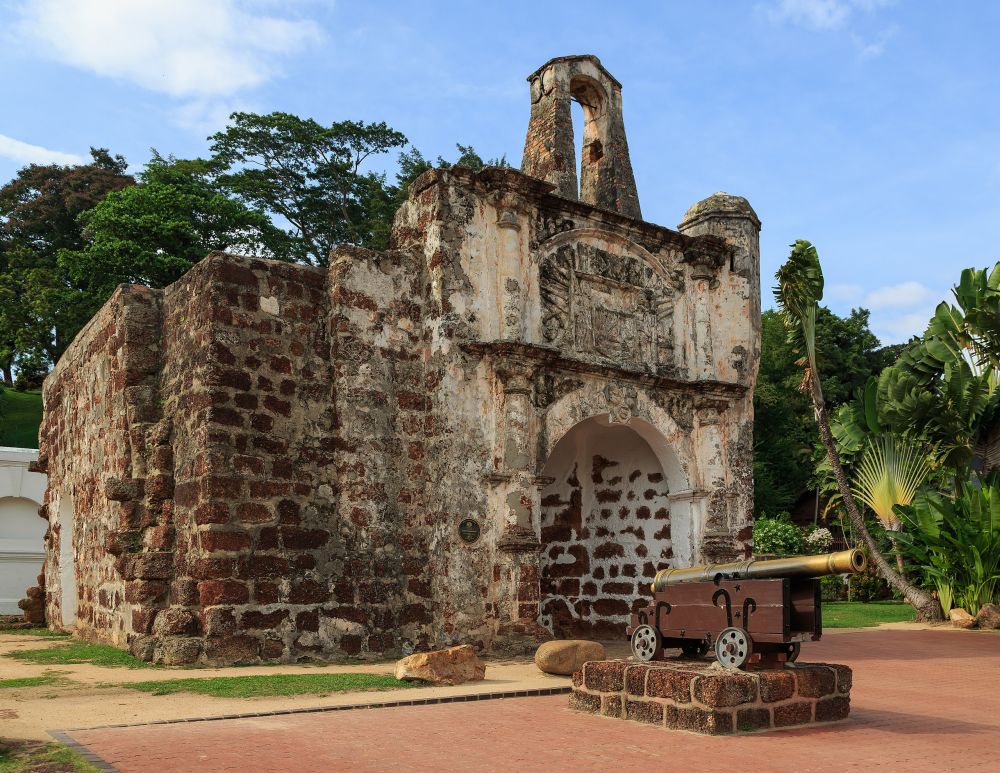
A Famosa – The Portuguese Fortress
The Rise of A Famosa
When the Portuguese captured Melaka in 1511, they quickly built a fort called A Famosa to protect their foothold. This massive fortress served as military defence and a stronghold for colonial control in Southeast Asia.
The Fall and What Remains Today
Over time, A Famosa faced battles and wear. In the 19th century, the British demolished most of the structure, leaving only a single surviving gate – Porta de Santiago. It now stands as one of the oldest European architectural remains in Asia.
Why It Still Matters
A Famosa is a symbol of early European colonisation in Southeast Asia. Its lone remaining archway silently reminds us of the battles fought and the cultures that clashed on Melaka’s soil.
Stadthuys – The Dutch Legacy
The Dutch Administration Era
After defeating the Portuguese, the Dutch took control in 1641. By 1650, they built the Stadthuys, a grand red building that served as the residence of the Dutch governor and key officials. It became the centre of Dutch rule in Melaka.
Distinctive Dutch Architecture
Painted in eye-catching terracotta red, the Stadthuys reflects Dutch colonial design — simple, sturdy, and symmetrical. Its design has stood the test of time and is often seen as a symbol of Melaka’s Dutch past.
Today’s Role
Today, the Stadthuys houses the Museum of History and Ethnography. Inside, visitors can explore Melaka’s journey from the Malay Sultanate through colonial rule, giving deeper context to the city’s evolution.
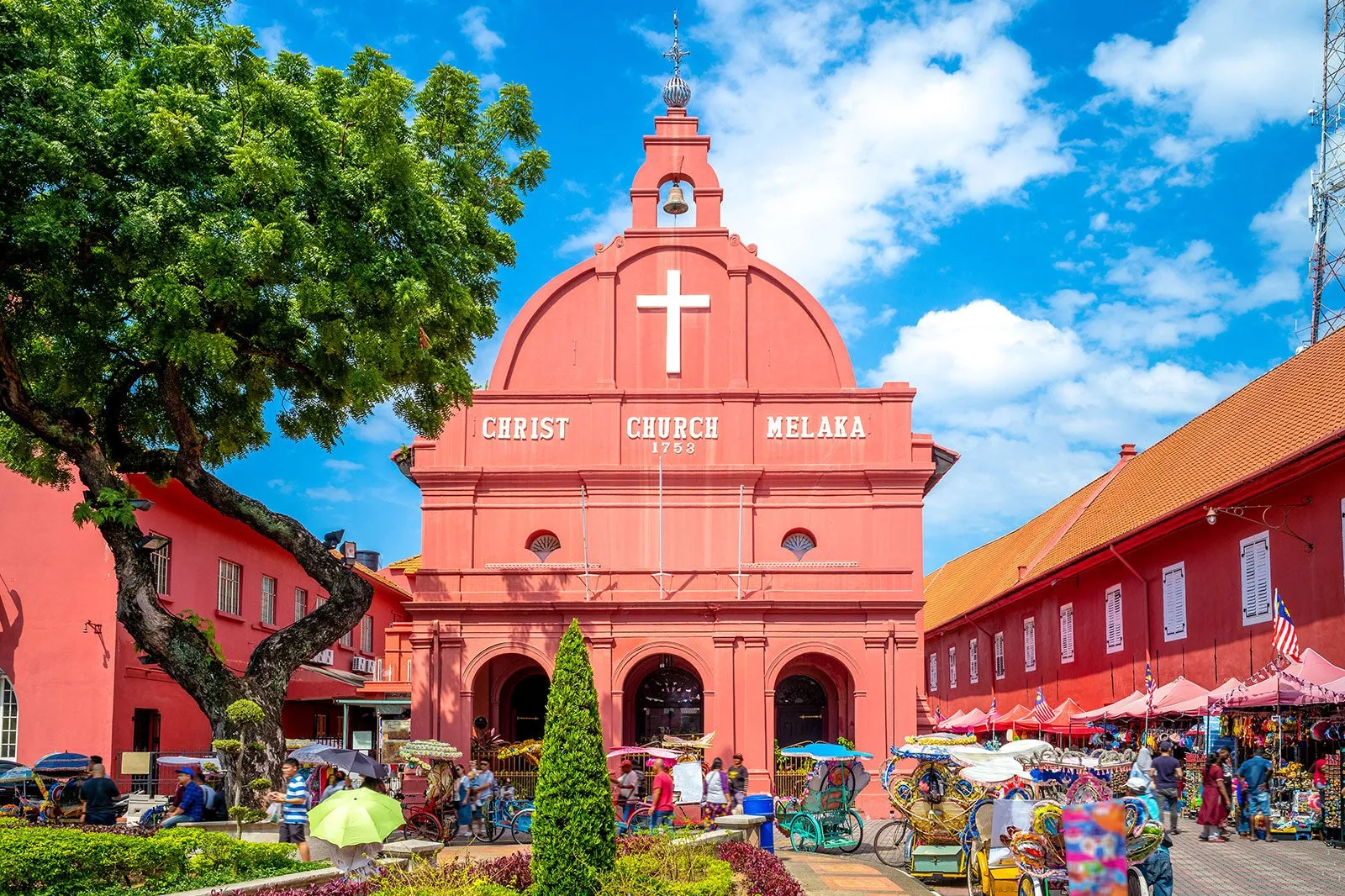
Christ Church Melaka – Faith Through the Centuries
Historical Significance
Built in 1753, Christ Church Melaka is the oldest functioning Protestant church in Malaysia. It was constructed to commemorate a century of Dutch occupation and still serves as a place of worship today.
Its Red Exterior and Interior Design
Its red exterior matches the neighbouring Stadthuys, creating a striking scene in Dutch Square. Inside, the church features original wooden pews, handmade beams, and 18th-century tombstones embedded in the floor.
Events and Community Importance
Beyond its religious function, Christ Church Melaka also plays a role in cultural events and city celebrations, reflecting Melaka’s blend of faith and heritage.
St. Paul’s Hill – A Hill of Many Stories
The Church on the Hill
Climbing up St. Paul’s Hill reveals the ruins of St. Paul’s Church, originally built by the Portuguese in 1521 and later used by the Dutch. The weathered stone walls stand as a silent witness to centuries of change.
St. Francis Xavier’s Connection
St. Paul’s Hill is also linked to St. Francis Xavier, the famous missionary. He was temporarily buried here before his remains were moved to Goa. A statue of him now stands in front of the church ruins.
A View into Melaka
From the top of the hill, you’ll get panoramic views of the city and sea. It’s easy to imagine the same sight greeting traders and explorers who arrived in Melaka centuries ago.
Cheng Hoon Teng Temple – Harmony in Religion
Oldest Functioning Temple in Malaysia
Founded in the 1600s, Cheng Hoon Teng is Malaysia’s oldest traditional Chinese temple still in operation. It continues to serve worshippers in the heart of Melaka’s Chinatown.
A Blend of Taoism, Confucianism, and Buddhism
What makes this temple unique is its religious inclusiveness. It’s a sacred space that honours Taoist, Buddhist, and Confucian practices, reflecting the spiritual diversity of the Chinese-Malaysian community.
Architectural and Cultural Marvel
The temple features exquisite Southern Chinese architecture, with intricate wood carvings, roof ornaments, and calligraphy panels imported from China. It’s a visual feast and a cultural treasure.
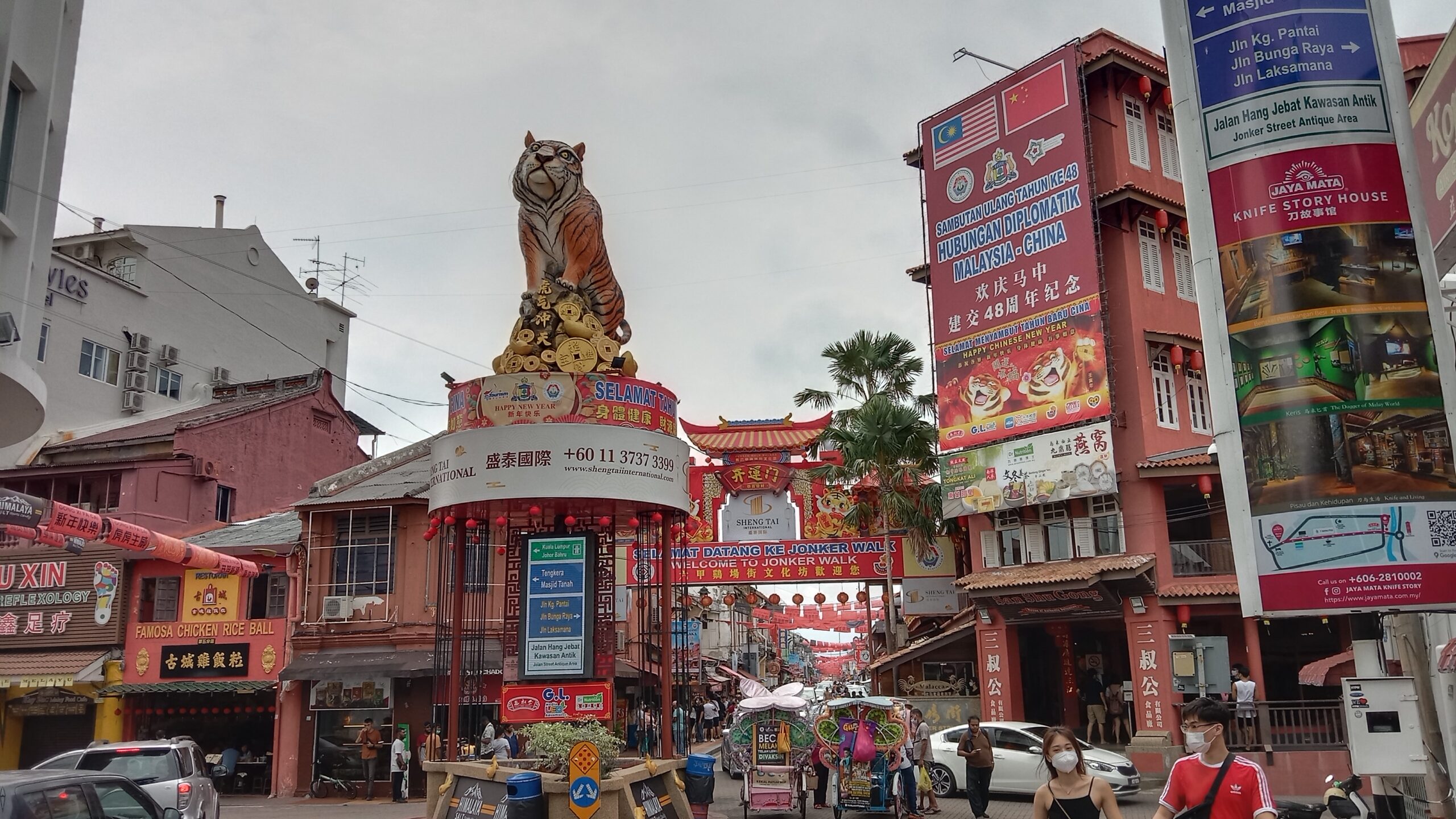
Jonker Street – More Than Just A Market
A Walk Through Time
Jonker Street, also known as Jalan Hang Jebat, is more than a popular night market. Lined with historic shophouses, it’s a living museum of Peranakan and colonial architecture.
Landmarks Along the Way
As you walk, you’ll pass temples, clan houses, art galleries, and museums. Each structure has a story that adds to the vibrant heritage of this well-known street.
Cultural Festivals and Night Market
Every weekend, Jonker Street transforms into a buzzing night market. The air fills with the scent of local snacks, traditional music, and cheerful chatter — a modern celebration of Melaka’s multicultural past.
Baba & Nyonya Heritage Museum – Life Behind the Shophouse
A Peek into Peranakan Lifestyle
Step into the Baba & Nyonya Heritage Museum, and you step into the home of a wealthy Straits Chinese family. It showcases how the Peranakan people lived in the 19th century.
Authentic Architecture
The museum preserves the original furnishings, carved teakwood panels, European tiles, and delicate porcelain, offering a rare glimpse into a blend of East-meets-West interior design.
Living History
Guided tours bring the exhibits to life through storytelling, allowing visitors to understand the customs, clothing, and family dynamics of Melaka’s elite Peranakan families.
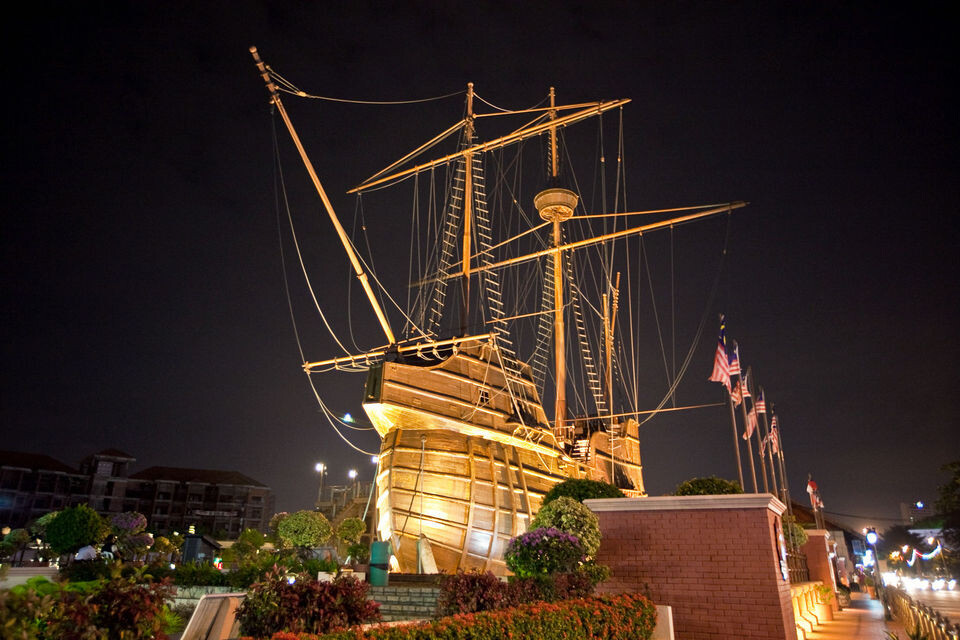
Maritime Museum – A Voyage Through Time
Replica of the Flor de la Mar
The Maritime Museum is housed inside a life-sized replica of the Flor de la Mar, a Portuguese ship that sank off Melaka’s coast. This iconic ship carried treasures and symbolised Melaka’s maritime legacy.
Melaka’s Maritime Power
During its height, Melaka was a vital port for global trade. Traders from China, India, the Middle East, and Europe passed through, exchanging spices, silk, and stories.
A Journey for Visitors
Inside the museum, you’ll find interactive displays, ship models, navigation tools, and historical maps. It’s an engaging way to understand Melaka’s strategic role in shaping international trade.
Conclusion
Melaka is not just a city — it’s a living history book. Every corner, wall, and stone has a tale to tell. Visiting these landmarks allows you to go beyond the surface. You’re not just seeing the sights; you’re walking the same paths as sultans, missionaries, traders, and settlers.
So, the next time you stay at a hostel in Melaka’s heritage district, take the time to stop, observe, and listen. Let the stories of these historical landmarks paint a vivid picture in your imagination. After all, in Melaka, the past never truly disappears — it lives on in every detail.