|
What Nyonya Food in Melaka To Try
What is Nyonya food
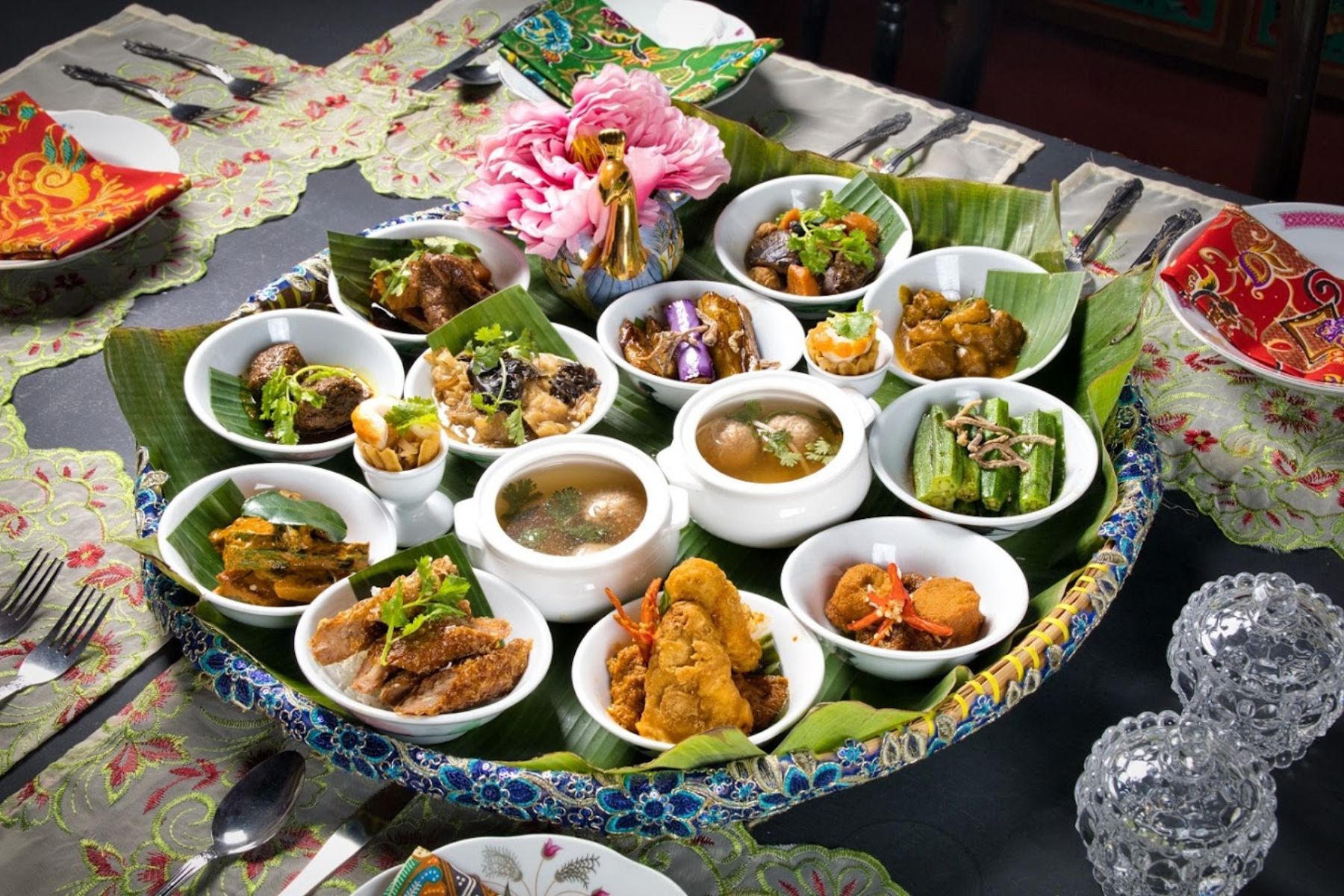
Nyonya (or Peranakan) cuisine was born from the intermarriage of early Chinese settlers with local Malays in the old Straits Settlements—Melaka (Malacca), Penang and Singapore. Over generations, their kitchens created a distinctive “best-of-both-worlds” cooking style that blends Chinese techniques with Malay herbs, spices and ingredients. Expect layers of flavour—aromatic, tangy, spicy and sometimes sweet—delivered through rempah (spice pastes), coconut milk, tamarind and belacan.
Cultural blend behind the flavours
Many signature dishes tell the story of the Straits: Hokkien roots meet Javanese and Malay influences, with European touches from the colonial era. That’s why a single meal can feature candlenuts and galangal alongside soy sauce and mushrooms. Melaka is often cited as the early cradle of Peranakan culture, so tasting Nyonya food here feels like eating where the story began.
Why Melaka Is the Best Place for Nyonya Food in Melaka
Historical roots
When exploring the rich culinary landscape, trying Nyonya food in Melaka is a must for any food enthusiast.
Melaka’s role as a bustling port drew traders—and their recipes—from across Asia. Over centuries, the Peranakan community refined its own culinary identity. Today, museums like the Baba & Nyonya Heritage Museum along Jalan Tun Tan Cheng Lock preserve that heritage, and the city’s kitchens keep it deliciously alive.
Local authenticity and passion
Melaka’s Nyonya restaurants often run on heirloom recipes, passed down like family jewellery. Menus showcase the balance Peranakan cooking is famous for: spice without burn, richness without heaviness, and that addictive tamarind-led tang you’ll remember long after your trip.
Must-Try Nyonya Dishes in Melaka
Ayam Pongteh
What makes it special
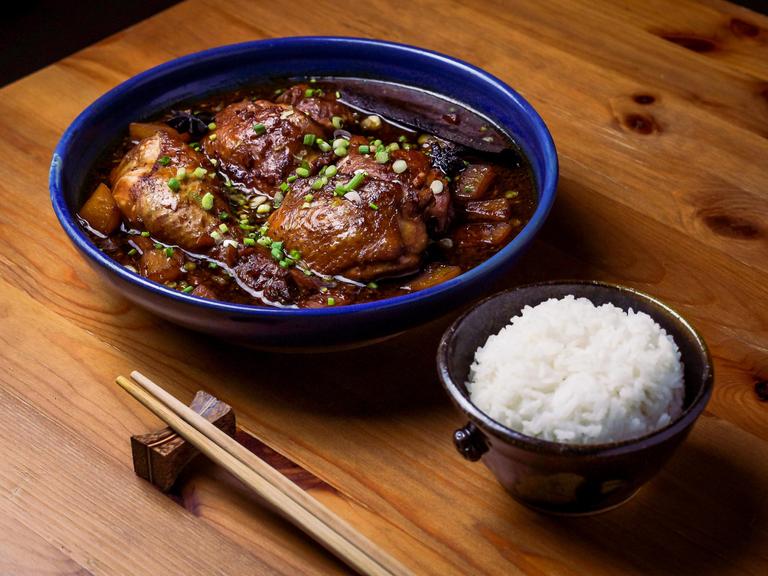
Ayam Pongteh is a homey braised chicken stew cooked with preserved soy bean paste, often with potatoes and mushrooms. It’s comfort food at its best—deep, savoury, slightly sweet—and it pairs perfectly with warm white rice and a dab of sambal belacan.
Where to try it in Melaka
For a classic, crowd-pleasing version, Nancy’s Kitchen is a long-time favourite, and their menu highlights Ayam/Bak Pongteh among Peranakan staples—ideal for first-timers keen on the “true taste” of Nyonya home cooking.
Nyonya Laksa
A spicy, creamy bowl of goodness
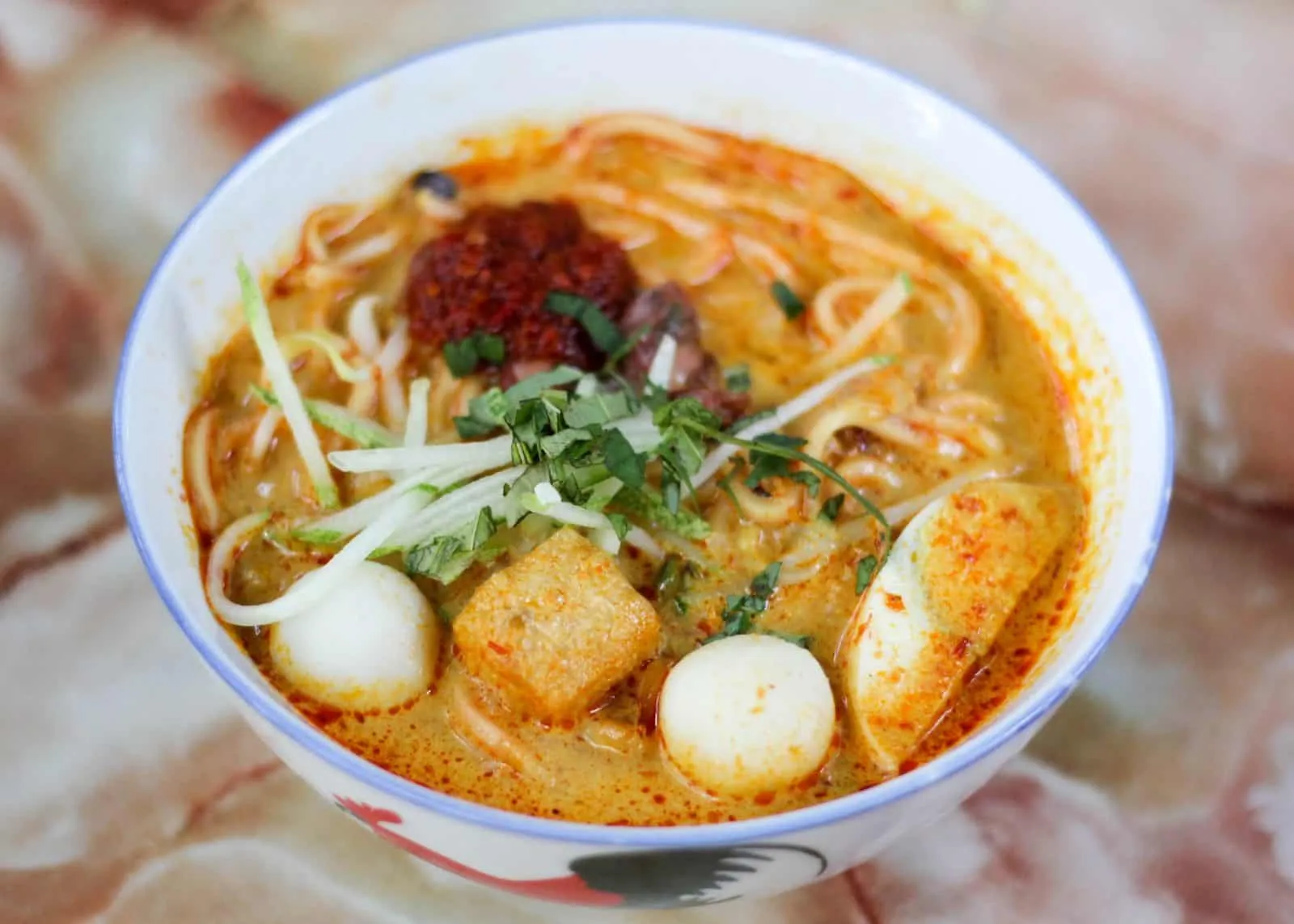
This laksa leans creamy rather than sour, with coconut milk softening the spice paste. Look for rice noodles swimming in a rich curry broth topped with tau pok (tofu puffs), fish balls, beansprouts and a spoon of sambal to stir in for extra kick.
Where locals go for the best
Donald & Lily is synonymous with Melaka laksa for many eaters. The brand began with Baba Donald Tan and Nyonya Lily Lee; their laksa remains a go-to recommendation for a soulful, old-school bowl.
Assam Pedas Ikan Pari (Spicy Tamarind Stingray)
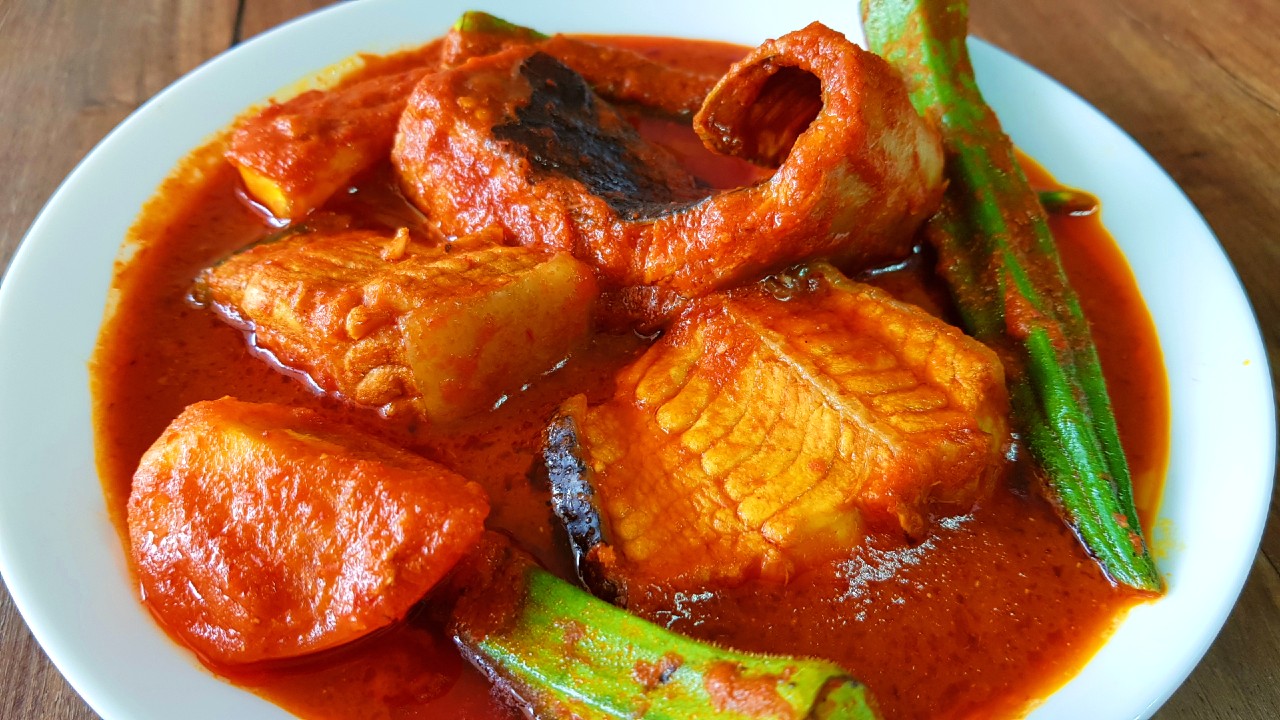
The bold, tangy taste
Think of assam pedas as a flavour wake-up call: sour tamarind, heat from chillies, and perfume from spices like turmeric. With stingray (ikan pari), the gelatinous texture works beautifully, soaking up that fiery, tangy gravy.
Recommended eateries
Claypot assam pedas is a Melaka ritual. Asam Pedas Claypot Restoran Kota Laksamana is frequently praised for thick, punchy gravies and fresh fish—perfect if you love robust flavours that arrive bubbling to the table.
Nasi Ulam
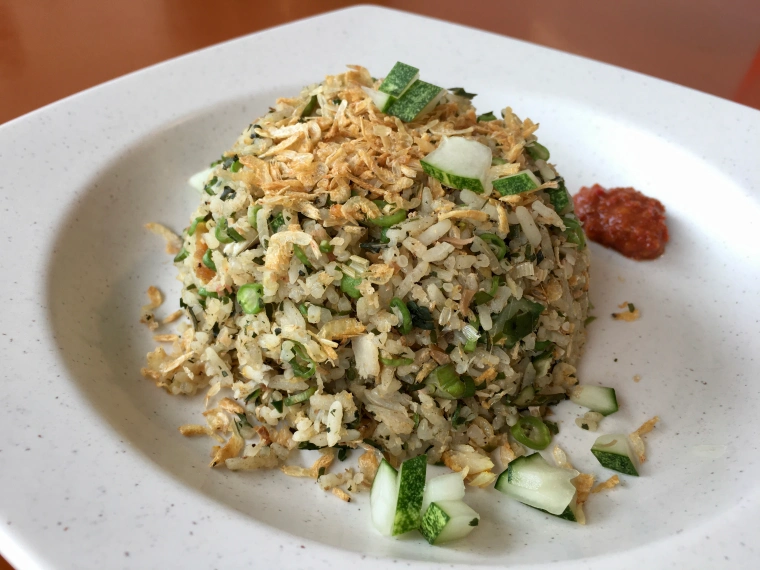
A herbal rice experience
Nasi ulam is a fragrant “herb rice” tossed with finely chopped local herbs (think torch ginger flower, kaffir lime leaves, lemongrass), toasted coconut (kerisik), and sometimes fish flakes or dried shrimp. It’s bright, refreshing, and surprisingly complex—like a garden in a bowl.
Who should try it
If you adore fresh herbs, salads and lighter plates, nasi ulam is your match. It’s brilliant for lunch in Melaka’s warm weather, and a lovely counterpoint to richer dishes like pongteh or curries.
Nyonya Kuih (Traditional Desserts)
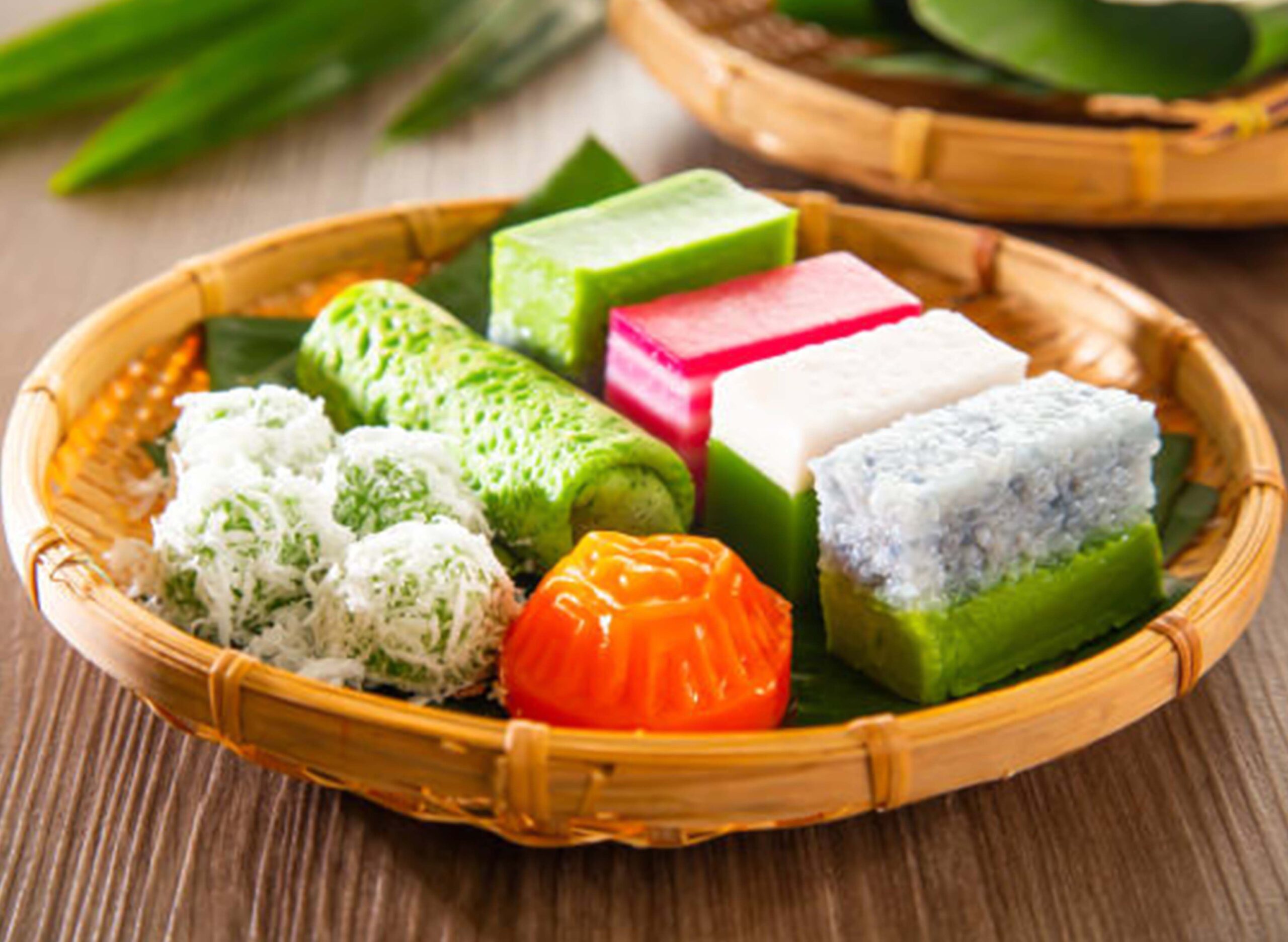
A colourful world of kuih
Nyonya kuih are delicate, bite-sized treats made with coconut milk, rice or tapioca flour, and palm sugar—often finished with pandan for aroma. These pastel-coloured morsels are soft, chewy, and dangerously moreish.
Must-try favourites: Kuih Lapis, Onde-Onde, Kuih Talam
A pilgrimage for kuih lovers is Baba Charlie Nyonya Kuih, a beloved name with one official outlet in Melaka. Go early for the best selection, then fill your box with colourful kuih lapis, chewy onde-onde (palm-sugar-filled glutinous rice balls), and creamy kuih talam.
Where to Stay in Melaka (Accommodation)
Types of accommodation (heritage guesthouses, hotels, hostels)
You’ll find everything from ornate heritage shophouse stays near Jonker Street to modern hotels and clean, value-driven hostels. If food is your focus, staying within walking distance of the old town makes it easier to graze from breakfast to supper.
Featuring Hostel Rucksack Inn Premium Melaka
Location and ambience
Rucksack Inn Premium Melaka puts you in a greenery-wrapped pocket near top attractions like Melaka Sultanate Palace and Christ Church—handy for sightseeing between meals. Wake to garden views, stroll to heritage sites, then wander out for your next Nyonya fix.
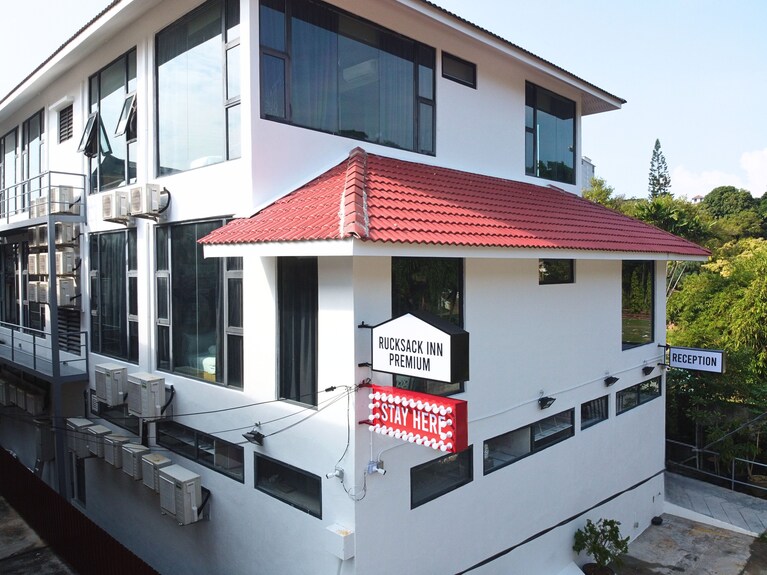
Why it’s a great option for Nyonya-food lovers
Its central location means less time commuting and more time eating. You can plan a DIY food trail—pongteh for lunch, kuih for tea, assam pedas for dinner—without haggling with transport. For enquiries, their contact page lists dedicated details for the Melaka property.
Tips for Enjoying Nyonya Food in Melaka
Visit local neighbourhood spots, not just tourist traps
Jonker Street is fun, but venture further. Some of the most heartfelt meals are a short Grab ride away—humble shoplots and family-run kitchens where recipes are guarded like treasure.
Share dishes so you can taste more variety
Go family-style. Peranakan meals are designed for sharing—pair a rich main (pongteh or curry) with a vegetable (chap chye), a tangy fish (assam pedas), and a fresh note (nasi ulam). Your palate will thank you.
Embrace the spiciness—especially the sambal
Sambal belacan is the soul of the table. Add a little at a time—you’re aiming for lift, not pain. If you’re heat-shy, ask for sambal on the side.
Conclusion
Why Nyonya cuisine makes Melaka a food journey worth taking
Melaka isn’t just a pretty heritage city; it’s the living heart of Peranakan culture where recipes carry stories of migration, marriage and memory. From the homely hug of ayam pongteh to the assertive zing of assam pedas, the food here speaks with history and heart. Stay central, snack often, and say yes to that extra piece of kuih—because eating Nyonya in Melaka is more than a meal. It’s a delicious lesson in how cultures blend to create something uniquely, irresistibly Malaysian.