|
Best Restaurants in Chinatown Singapore
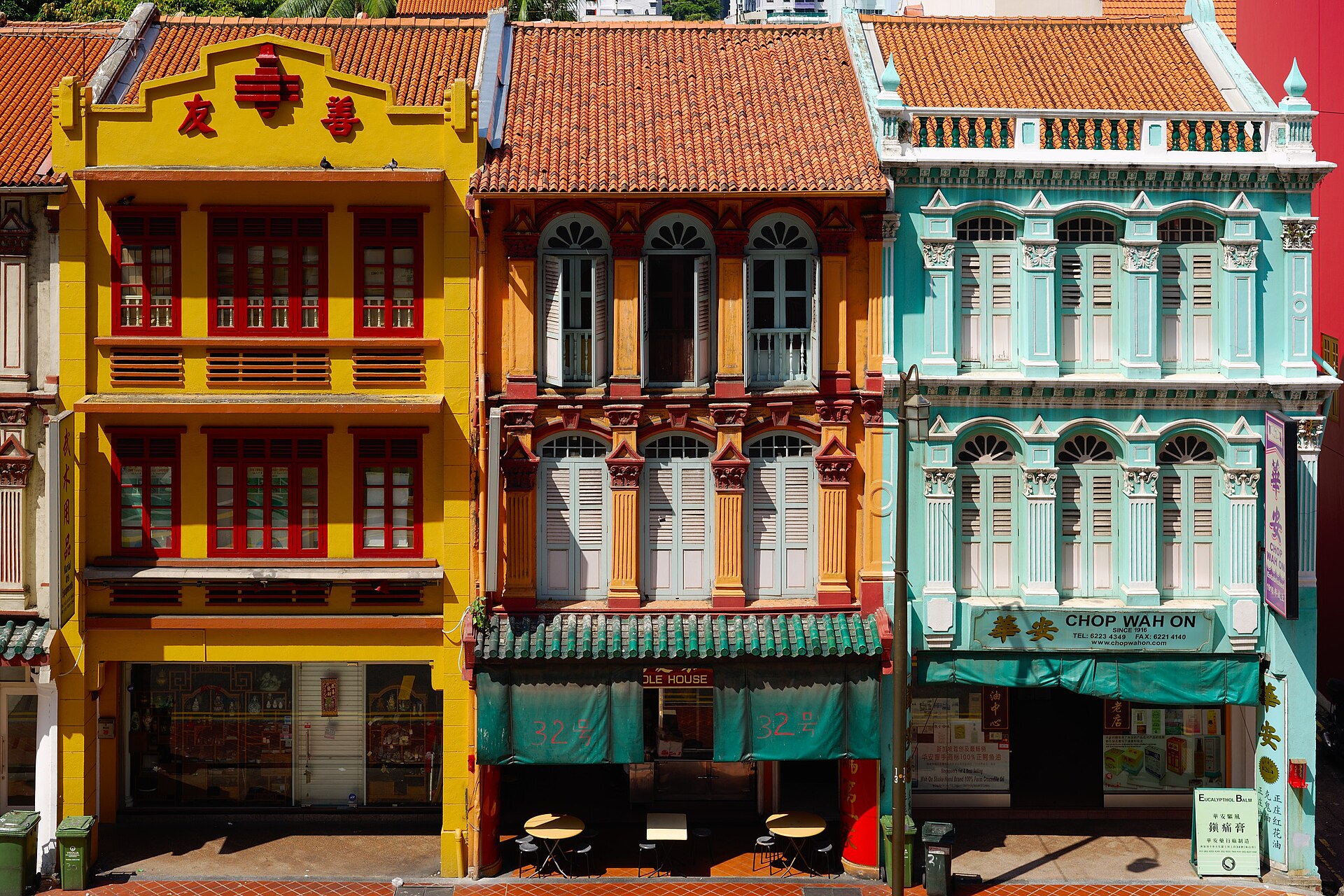
Chinatown is where a lot of Singapore’s appetite comes from, and while its hawker centres grab most of the headlines, the neighbourhood’s shophouse dining rooms tell an older, slower story. Behind the red lanterns and heritage facades sit family-run restaurants that have been feeding the district for decades: Cantonese kitchens turning out roast meats and banquet classics, tze char joints firing woks past midnight, and dim sum houses where the trolleys still creak between tables. For the best restaurants in Chinatown Singapore, the sit-down spots are the ones worth pulling up a chair for rather than grazing on the go. If you would rather eat standing at a stall, that is a different, equally delicious mission. Here, we stay at the table.
Old-school tze char and Cantonese classics
If you only sit down at one type of place in Chinatown, make it a tze char restaurant, the wok-fried, share-everything cooking that Singaporean families have eaten for generations. The benchmark here is Kok Sen on Keong Saik Road, a Michelin Bib Gourmand fixture that reopened in 2022 with air-conditioning but kept its old-school recipes intact. Its big prawn hor fun, plump prawns flash-fried and tossed through flat rice noodles heavy with wok hei, is the dish people queue for, backed up by a claypot yong tau foo that has been on the menu for decades. Order several plates to share and you have a proper Chinatown restaurants Singapore meal for a very reasonable per-head spend.
For something grander, walk over to Spring Court on Upper Cross Street. Opened in 1929 as Wing Chun Yuen and still run by the founding family across three generations, it is widely regarded as Singapore’s oldest family-run Chinese restaurant, now spread across a heritage shophouse. The kitchen serves traditional Cantonese cooking with a local accent: a roasted suckling pig with skin cracked to an audible crunch, prawn paste chicken, and a popiah that regulars rate among the best in the city, its skin rolled fresh at a little kiosk by the cashier and stuffed with braised jicama, prawn and egg. It is a sit-down, order-a-banquet kind of place, ideal when you want the full white-tablecloth version of the neighbourhood’s heritage rather than a quick bite.
Dim sum houses where the trolleys still roll
Dim sum is the other reason to book a table in Chinatown, and the district still has two very different ways to do it. For pure nostalgia, ride the lift up to Red Star on Chin Swee Road, a cavernous banquet hall that has been serving dim sum since 1970 and is celebrated as one of the last places in Singapore where the dishes still come round on push-carts. You flag down a trolley, peek under the lids, and point at whatever looks good: har gow, siu mai, char siew bao, glossy egg tarts, deep-fried yam puffs and lotus-leaf glutinous rice, all the classics. Weekend mornings draw a crowd of families, so go early and treat it as much for the theatre as for the food.
Closer to the tourist core, Yum Cha sits above Trengganu Street, just off Temple Street, in a room dressed with marble tables and wooden chairs to evoke an old-school tea house. Open since 2000, it runs a long menu of steamed, fried and baked dim sum from morning right through the evening, seven days a week, which makes it one of the more reliable spots for a leisurely sit-down brunch when other kitchens are still between services. Hours can still shift around holidays, so check the current listing before a special trip.
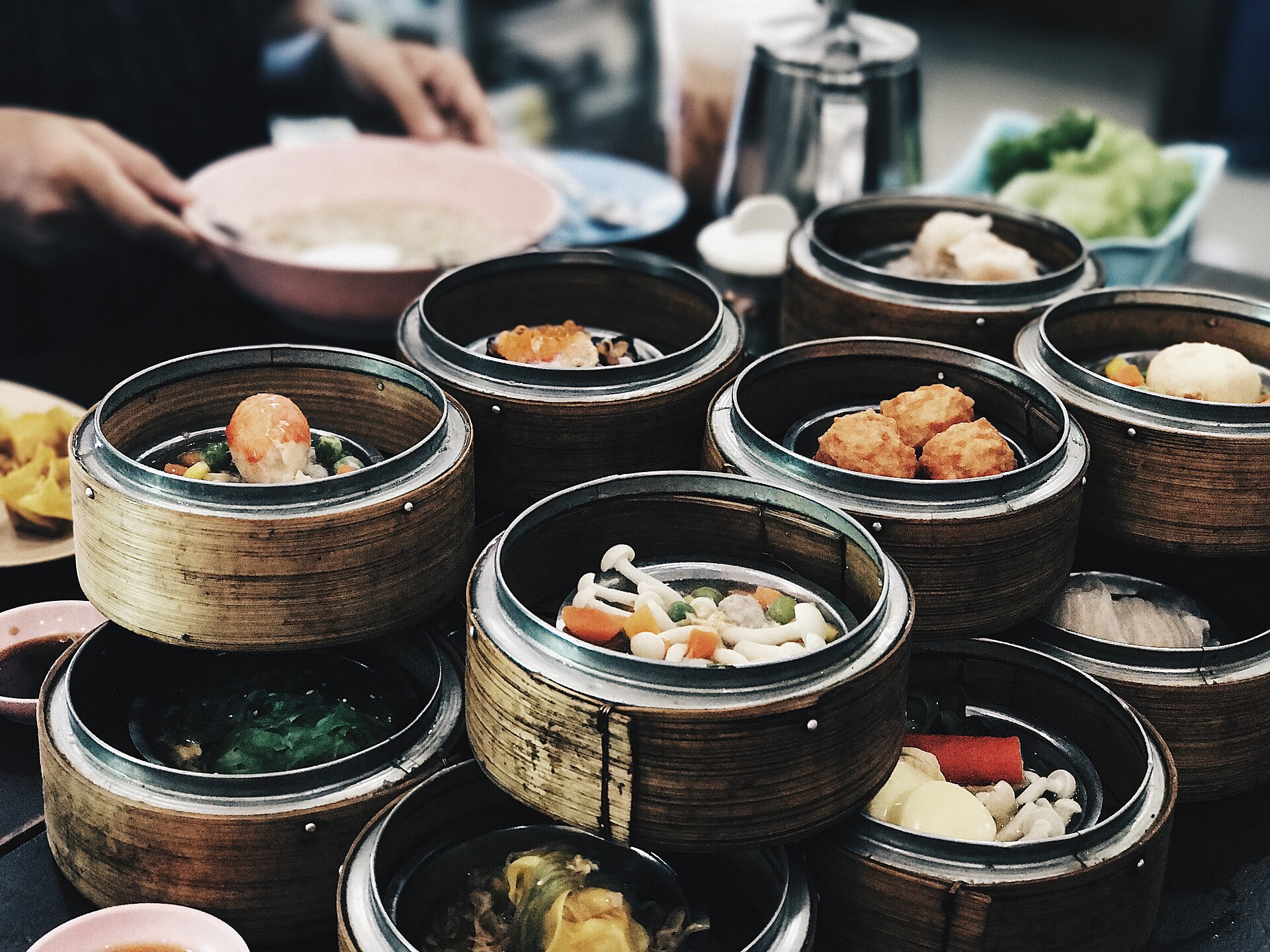
Dumplings, xiao long bao and northern-style comfort
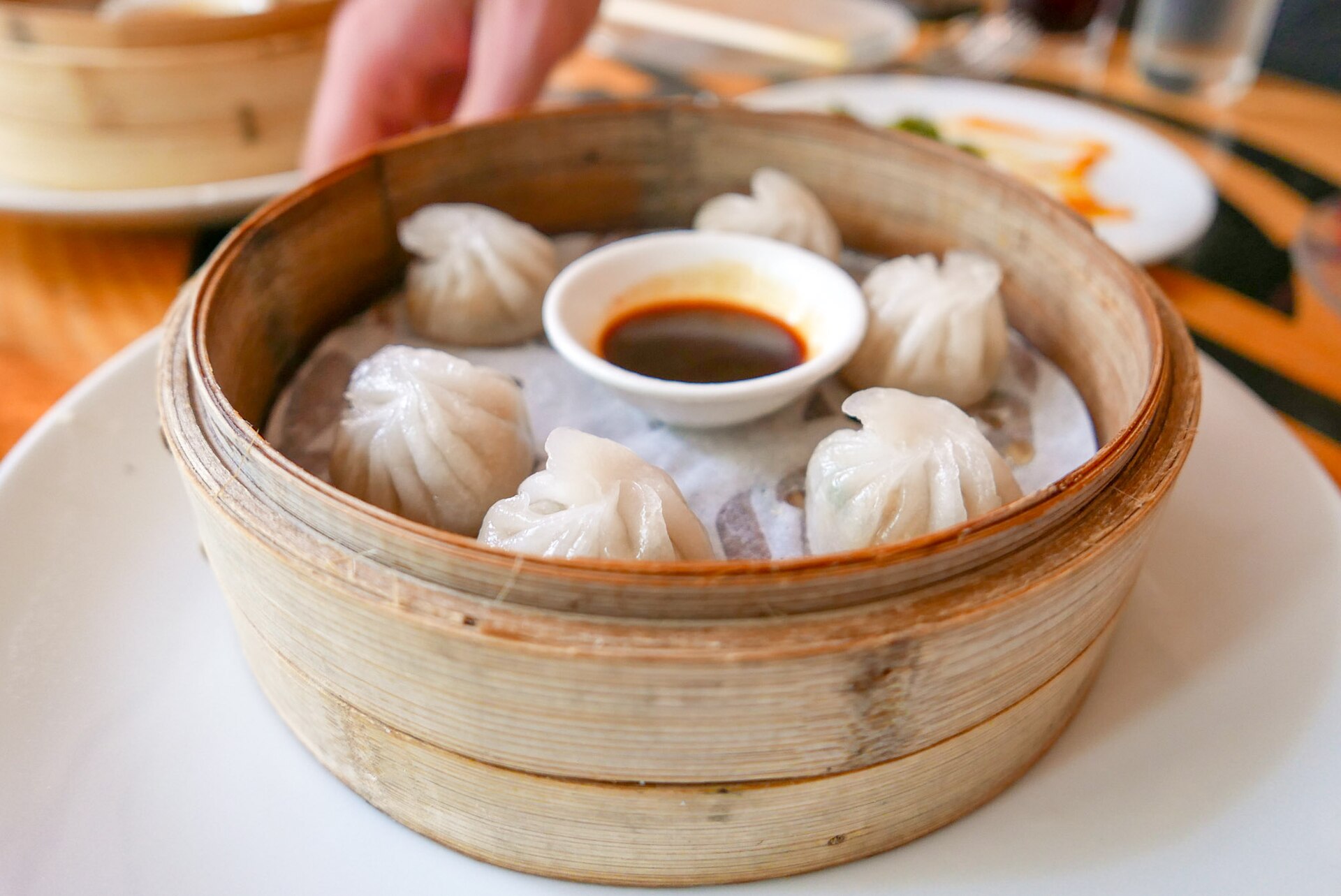
Not everything in Chinatown is Cantonese. On Neil Road, the tiny, perpetually busy Jing Hua Xiao Chi has been folding dumplings since 1989, when a Singaporean couple turned family recipes into a business. It is the neighbourhood’s go-to for xiao long bao, the delicate soup dumplings you steam and eat in one careful bite, alongside pan-fried guotie, zha jiang noodles and a comforting hot-and-sour soup. Finish with the crispy red bean pancake if it is on. It is genuinely small and does not take a crowd, so expect to wait at peak times, and note that it observes one weekly rest day, so check current hours before you go. For travellers deciding where to eat in Chinatown Singapore beyond the roast-meat-and-rice routine, this is a satisfying, wallet-friendly detour into northern-Chinese comfort food.
Roast meats: restaurant plates vs hawker legends
Cantonese roast meats, glossy char siew, crackling sio bak, lacquered roast duck, are a Chinatown signature, and you can enjoy them two ways. At the restaurant level, heritage kitchens like Spring Court plate up roast and barbecued meats as part of a larger meal, and most dim sum houses run a roast section you can add to the table. That is the comfortable, sit-down, order-by-the-plate experience.
The other route is the stalls, and this is where Chinatown genuinely shines. Some of the district’s most famous roasts come out of hawker centres like Chinatown Complex and People’s Park, where veteran cooks have been chopping char siew and roast duck over rice for decades at hawker prices. Those deserve their own crawl, which we cover in our guide to Chinatown’s best hawker food. Between the two, you can eat roast meats morning to night without ever repeating yourself.
How to plan your Chinatown restaurant crawl
A little planning turns a good eating day into a great one. Chinatown’s restaurants cluster in a few walkable pockets: Keong Saik Road and Neil Road for tze char and dumplings, Upper Cross Street for heritage Cantonese, Trengganu and Temple streets for dim sum near the market lanes, and Chin Swee Road a short hop away. All of it radiates out from Chinatown MRT, so you rarely need more than a short walk between tables.
Time it smartly. Many independent kitchens take a weekly rest day, and some pause between lunch and dinner in the mid-afternoon, so build your route around what is actually open and check current hours before setting out. Go early for trolley dim sum, order family-style to try more for less, and pace yourself, this is a graze-all-day district, not a single-sitting one. If anyone in your group eats plant-based, Chinatown is well set up for it too: our guide to vegetarian and vegan food in Chinatown covers the meat-free tables and Buddhist kitchens nearby.
Where to stay
After a day of grazing through shophouse dining rooms, it helps to be based in the thick of it. Rucksack Inn on Temple Street sits inside a restored heritage shophouse right in the middle of the action, which makes it an easy base for eating your way around the neighbourhood. From the front door you are a few minutes’ walk from the tze char tables of Keong Saik Road, the dumpling house on Neil Road and the dim sum on Trengganu Street, while Chinatown MRT is barely two minutes away for the short hop to Chin Swee Road or People’s Park. It is a small, sociable place rather than a sprawling hotel: budget bunk dorms, a common area where travellers trade recommendations over breakfast, and a luggage drop so you can start eating the moment you arrive. If you want a Chinatown hostel near the restaurants without paying central-hotel rates, this one keeps you within walking distance of nearly every table on this list and leaves more of your money for the food itself.
Frequently Asked Questions
What kind of food is Chinatown Singapore known for?
It spans the full Chinese-Singaporean range: heritage Cantonese banquet food, wok-fried tze char, Cantonese roast meats, dim sum, and regional specialities like Shanghainese soup dumplings. Alongside the sit-down restaurants, Chinatown Complex and Maxwell Food Centre are packed with hawker stalls, several of them Michelin Bib Gourmand listed.
Do I need to book a table at Chinatown restaurants?
For casual tze char and dumpling spots you can usually just turn up, though popular places fill fast at weekend lunch. For a bigger group or a weekend dim sum session at a busy dining room, it is worth calling ahead. Trolley dim sum at Red Star draws a queue on weekend mornings, so arrive early.
Are Chinatown restaurants expensive?
They span a wide range. Hawker plates cost only a few dollars, while a shared tze char or dim sum meal typically works out to a modest per-person spend once split across a table. Heritage restaurants and seafood push the bill higher. Ordering to share, family-style, keeps costs down and lets you try more dishes.
When are Chinatown restaurants usually closed?
Many independent restaurants take a weekly rest day, and some close between lunch and dinner service in the afternoon. Hours also shift around Chinese New Year. Always check current opening hours before you set out, especially if you are travelling across town for a specific dish or an evening meal.
Related reading