|
Chinatown Shopping Guide: Malls, Markets & Where to Buy
Chinatown shopping Singapore guide: which mall does what, where to buy tea, silk and souvenirs, and how to shop the lanes smart.
Few corners of Singapore pack as much retail variety into a few blocks as Chinatown. Within a five-minute walk you can move from a glossy air-conditioned mall to a six-floor Chinese emporium to a warren of old-school complexes where money changers, tailors and herbalists have traded for decades. That range is exactly what makes Chinatown shopping in Singapore so rewarding: you can buy loose tea, a cheongsam, cut-price electronics, designer basics and a suitcase of souvenirs without ever getting back on the MRT. The trick is knowing which building does what. This guide maps the main malls and complexes, points you to what each is genuinely good for, and shows you how to weave the street stalls into the same afternoon.
Getting your bearings around Chinatown MRT
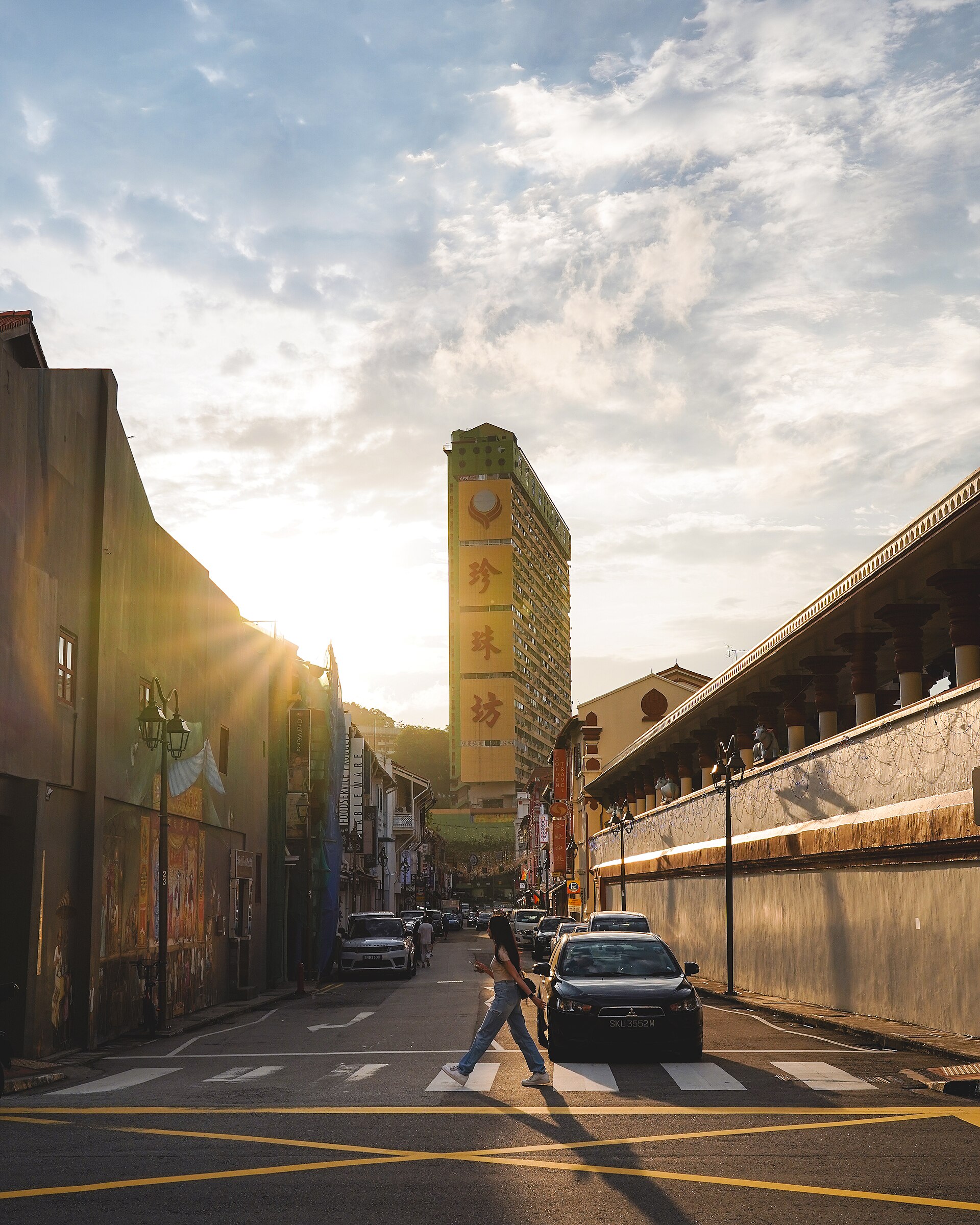
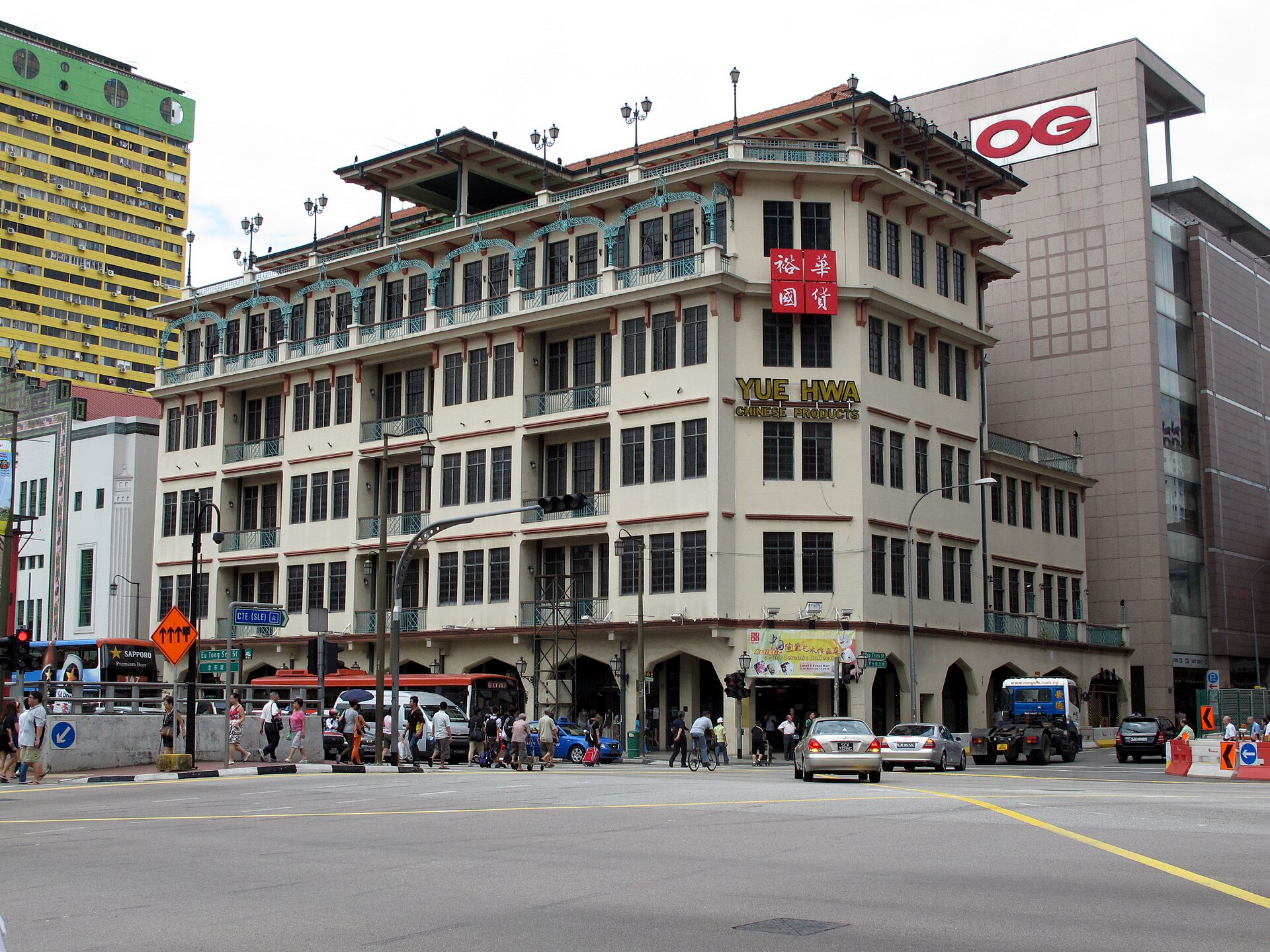
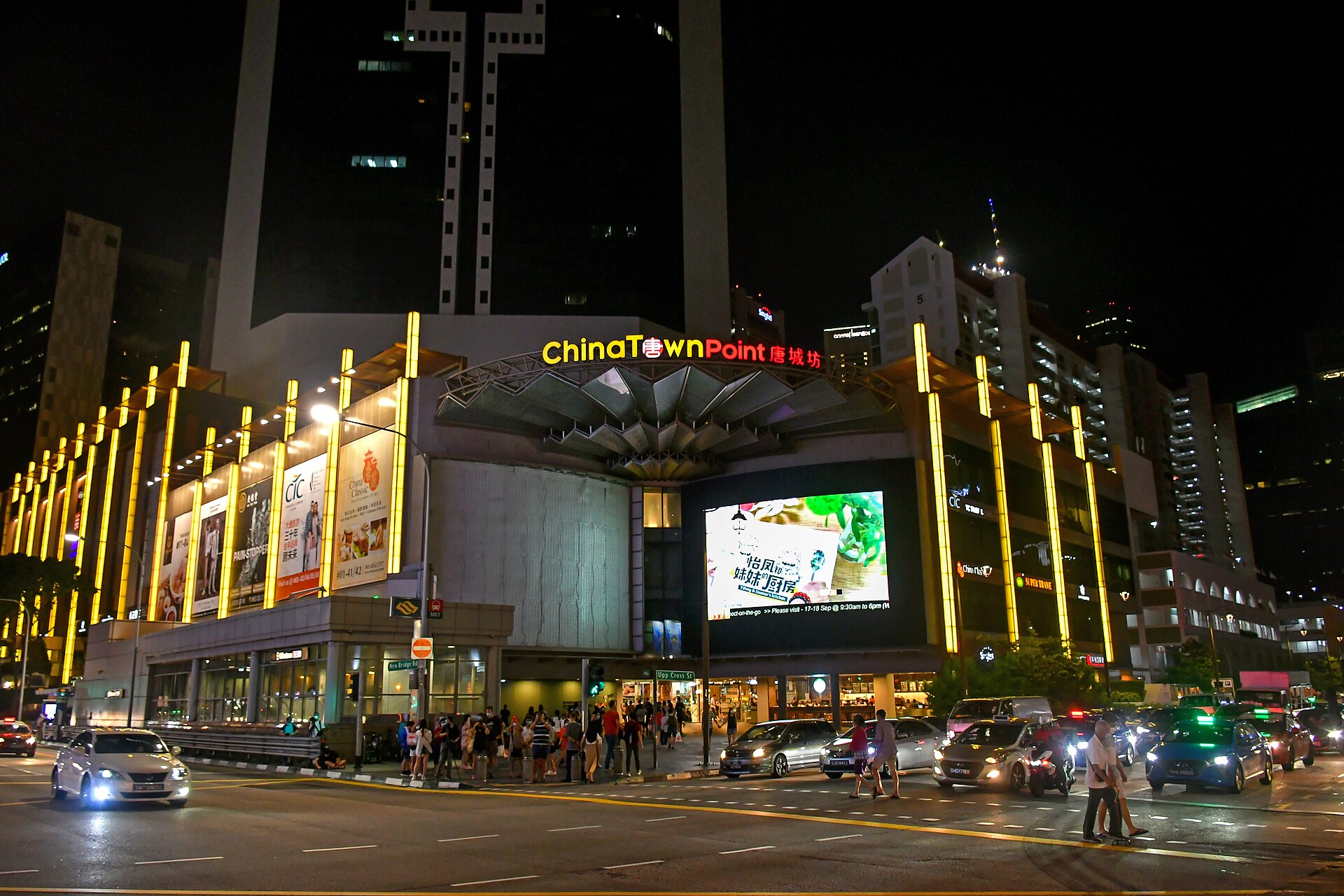
Almost all of Chinatown’s serious shopping clusters around a single junction: New Bridge Road, Eu Tong Sen Street and Upper Cross Street, all fanning out from Chinatown MRT (North East and Downtown lines). Take a moment above ground to orient yourself. On one side of Eu Tong Sen Street sits the modern mall, Chinatown Point, linked almost directly to the station. Across the road rise the older towers of People’s Park Complex and People’s Park Centre, and a short walk south brings you to the red-lettered Yue Hwa building. The pedestrianised heritage lanes, Pagoda Street, Trengganu Street and Temple Street, run behind them, stitching the malls to the open-air stalls.
Because everything is so tightly packed, you can shop by mood rather than by map. Want air-conditioning, familiar brands and a food court? Stay on the Chinatown Point side. After bargains, bulk tea or a suit made to measure? Cross to the People’s Park buildings. The whole circuit is walkable in an afternoon, and you are never more than a few minutes from a train home with your bags.
People’s Park Complex and People’s Park Centre: old-school bargains
If you want to understand how Singaporeans shopped before the mega-malls, spend an hour in the two People’s Park buildings. People’s Park Complex, at 1 Park Road, is a landmark of 1970s architecture and still hums with traditional trade: Chinese herbal medicine halls, gold and jade jewellers, ginseng and dried-goods sellers, tailors, and a famously busy ground-floor food centre. It is usually open from around 10am to 10pm daily, though individual stalls keep their own hours.
A two-minute walk away, People’s Park Centre at 101 Upper Cross Street leans into services and specialist retail. It is best known among locals as a hub for money changers offering some of the most competitive rates in the city, alongside foot-reflexology and massage shops, tailors, travel agencies and stalls of Chinese handicrafts. Opening hours run roughly 11am to 10pm. Neither building is polished, and that is the appeal: prices are low, cash is king at the smaller stalls, and a friendly bit of negotiation is expected. Come here for currency, a quick reflexology session, herbal remedies and the kind of practical Chinese goods the tourist strips do not stock.
Yue Hwa Chinese Products: the six-floor emporium
For many visitors, Yue Hwa is the single most satisfying stop for gifts and Chinese homeware under one roof. Housed in a handsome heritage building at 70 Eu Tong Sen Street, the store spreads across six floors devoted to Chinese food, medicine, silk, tea and crafts. You can browse loose teas and elegant tea sets, silk scarves and ready-made cheongsam, calligraphy brushes and ink, porcelain, dried delicacies, and a traditional Chinese medicine section with staff who can explain what does what.
Yue Hwa is a fixed-price department store, so there is no haggling, but the trade-off is quality assurance and a genuinely broad range in one calm, air-conditioned space, ideal if you are buying several gifts at once. Opening hours are usually 11am to 9pm on weekdays and Sundays, with later closing around 10pm on Saturdays, so it is worth checking current hours before a special trip. Give yourself time: this is a store to wander rather than dash through, and the upper floors reward the climb.
Chinatown Point: the modern, air-conditioned mall
When the heat wins or you simply want reliable brands, Chinatown Point is the neighbourhood’s contemporary mall. Sitting at 133 New Bridge Road and connected to Chinatown MRT, it is open daily from around 10am to 10pm and stocks the everyday names travellers look for: Uniqlo for basics, Daiso for cheap-and-cheerful homeware and stationery, an NTUC FairPrice supermarket for snacks and self-catering, plus fashion, beauty and phone-accessory shops.
It is also a strong food stop. Alongside quick options there are sit-down favourites such as Din Tai Fung, making it an easy place to refuel between the older complexes. Think of Chinatown Point as your reset button: cool air, clean toilets, a supermarket for holiday snacks, and predictable pricing when you have had enough of negotiating. For families and anyone travelling with young kids, it is the most fuss-free base in the area.
The street stalls: souvenirs and quick wins
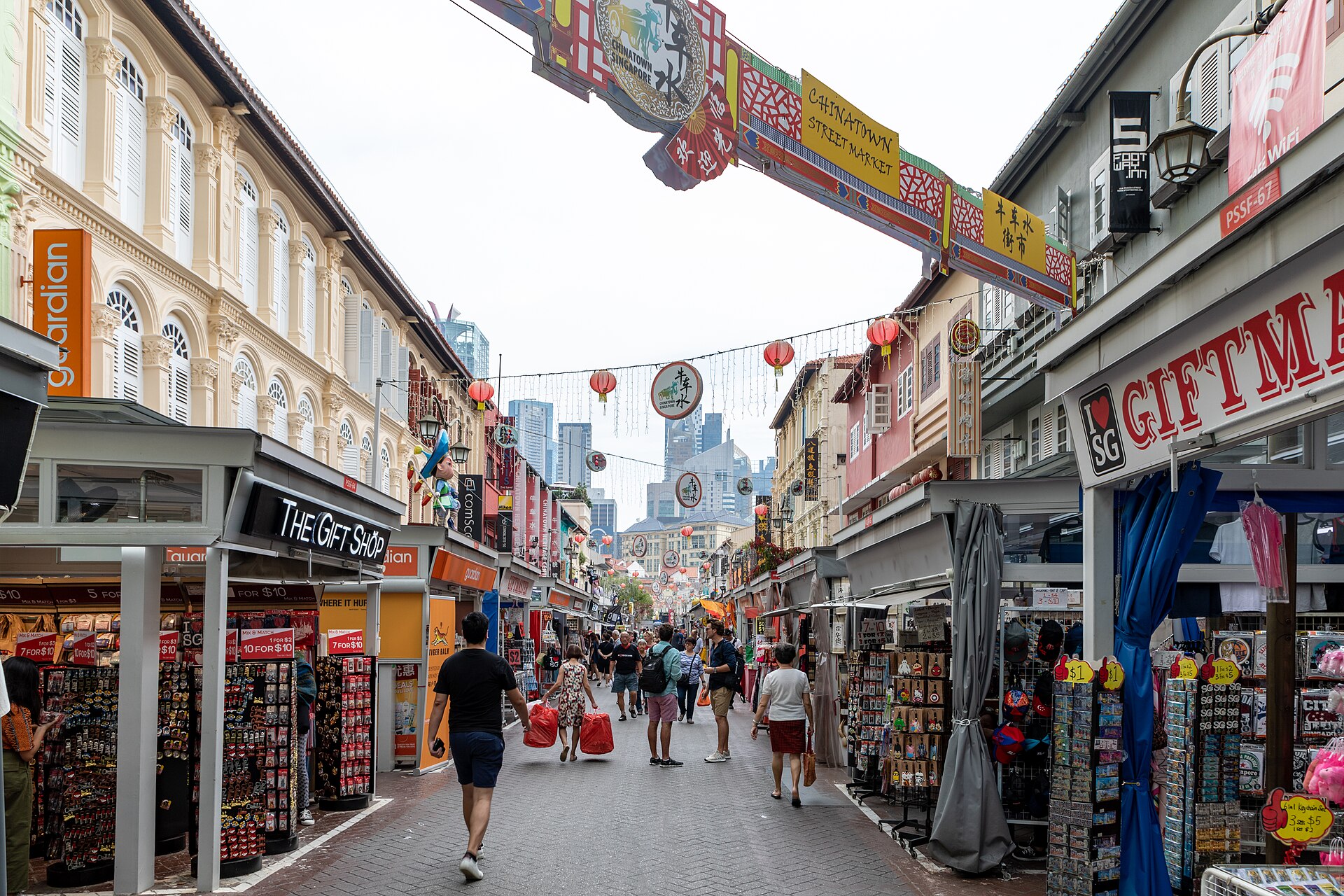
No Chinatown shopping guide is complete without the open-air lanes, but they deserve their own visit rather than a rushed lap. The stalls along Pagoda Street, Trengganu Street and Temple Street are the place for affordable souvenirs: fridge magnets, silk pouches, fans, keyrings, T-shirts, chopsticks and small trinkets, mostly sold at fixed or lightly negotiable prices. It is the most atmospheric slice of the neighbourhood, especially after dark under the lanterns.
Because the stalls overlap heavily with each other, prices tend to converge, so a polite ask for a small discount when buying several items usually works better than hard bargaining. For a full stall-by-stall walkthrough, opening times and haggling etiquette, see our companion guide to the Pagoda Street markets. If you are trying to fit shopping into a wider itinerary, our plan for a full day in Chinatown shows how to slot the lanes between temples, tea houses and lunch.
What to buy and how to shop smart
A few habits make Chinatown shopping in Singapore go further. Carry some cash: the smaller stalls and the People’s Park money changers and food centres often prefer it, even though the malls take cards. Compare before you commit, especially for tea, silk and souvenirs, since near-identical items appear across multiple buildings at different prices. Buy edible and TCM items last so they spend less time in the heat, and check whether dried foods or medicines are allowed into your home country before stocking up.
As for what to take home: loose tea and tea sets, silk scarves or a cheongsam, chinaware and calligraphy supplies from Yue Hwa. Herbal remedies, jade and gold from the People’s Park halls. Cheap, packable souvenirs from the street lanes. Start with the fixed-price stores to learn a fair benchmark price, then head to the stalls and complexes knowing roughly what things should cost. Mornings are quieter for browsing. Evenings are livelier for atmosphere.
Where to stay
After a day of haggling and hauling, it helps to have a bed within a few minutes of the action. Rucksack Inn on Temple Street sits in a restored heritage shophouse in the middle of the shopping streets, so you can drop bags between the markets and the malls without crossing town. It is a 2-minute walk to Chinatown MRT, handy when your arms are full of Yue Hwa tea tins and Daiso finds. Expect clean budget bunk dorms, a luggage-drop service for early arrivals and late flights, and a sociable common area where travellers swap tips on which stalls give the best price. It is a base in the heart of Chinatown rather than a resort, and that is the point when the whole neighbourhood is your shopping mall.
Frequently Asked Questions
Where is the best shopping in Chinatown, Singapore?
It depends on what you want. For modern brands, a supermarket and air-conditioning, head to Chinatown Point. For Chinese tea, silk, medicine and gifts under one roof, visit Yue Hwa on Eu Tong Sen Street. For bargains, money changers, tailors and traditional goods, explore People’s Park Complex and People’s Park Centre. For souvenirs, browse the Pagoda and Temple Street stalls.
What are the Chinatown shopping malls in Singapore?
The main options are Chinatown Point (a modern mall next to Chinatown MRT), the older People’s Park Complex and People’s Park Centre known for traditional trade and services, and Yue Hwa Chinese Products, a six-floor Chinese department store. Together they cover everything from fast fashion to herbal medicine.
Can you bargain when shopping in Chinatown?
At the open-air street stalls and some smaller shops in the People’s Park buildings, polite negotiation is common, especially when you buy several items. Department stores like Yue Hwa and mall retailers such as those in Chinatown Point are fixed-price, so haggling is not expected there.
What should I buy in Chinatown?
Popular buys include loose Chinese tea and tea sets, silk scarves and cheongsam, porcelain, calligraphy supplies and traditional souvenirs. The People’s Park complexes are good for jade, gold, herbal remedies and competitive currency exchange, while the street lanes are best for affordable trinkets and gifts.
How do I get to Chinatown’s shopping area?
Take the MRT to Chinatown station on the North East or Downtown line. Chinatown Point connects almost directly to the station, and the People’s Park buildings, Yue Hwa and the heritage stall lanes are all within a few minutes’ walk of the exits.
Sources
- Yue Hwa Chinese Products (store floors, ranges and opening hours)
- Chinatown Point (mall tenants and opening hours)