|
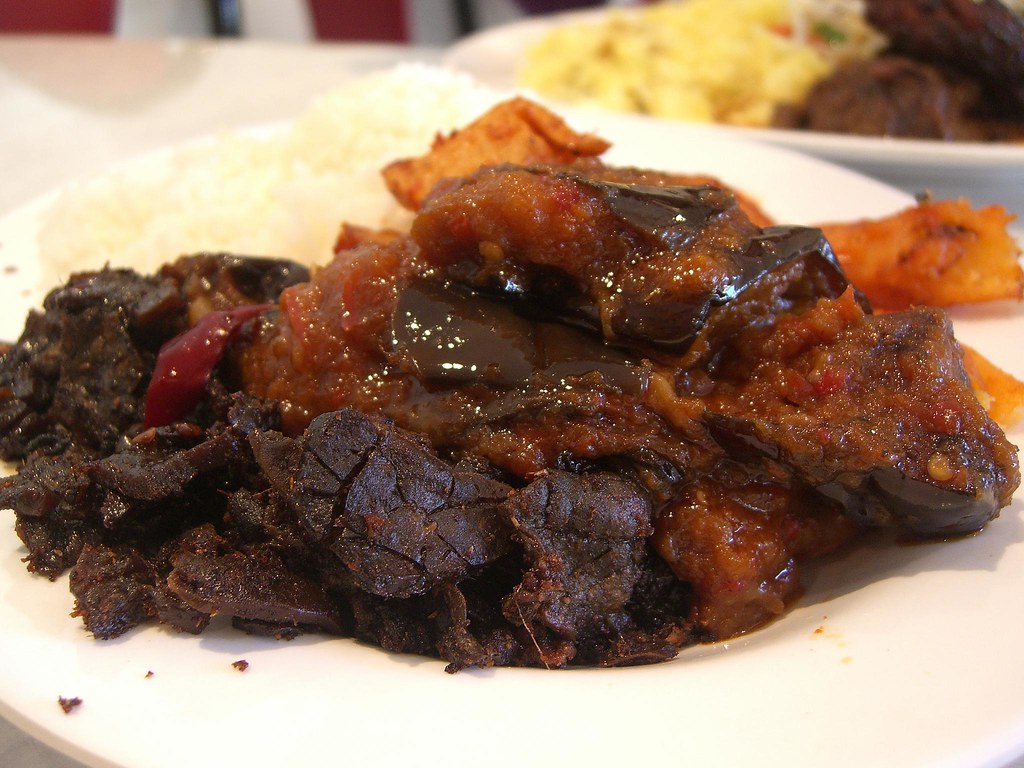
Halal Food Guide to Melaka (for Muslim Travellers)
Finding halal food in Melaka is easy. Our guide covers must-try dishes, JAKIM certification, halal Nyonya options, prayer spots and where to eat.
Good news first: eating well as a Muslim traveller in Melaka is genuinely easy. Malaysia is a Muslim-majority country, Melaka has a large Malay-Muslim population, and halal options sit on almost every street in the heritage core. From sizzling Malay classics to a surprisingly broad spread of halal-friendly Nyonya cooking, you can plan a full day of eating without much stress. This guide walks through what to order, how to read certification properly, and where the food (and the prayer spots) cluster.
Is it easy to find halal food in Melaka?
In short, yes. Melaka’s old town and the surrounding Bandar Hilir area are dotted with Malay-Muslim eateries, mamak shops and food courts, and many of the hawker stalls around Jonker Street and the malls run halal or vegetarian kitchens. You will rarely have to walk far for a proper meal. The one habit worth keeping is to glance for the official halal logo before you commit, especially in mixed dining streets where Chinese, Indian and Malay food sit side by side.
Halal-certified vs Muslim-friendly: know the difference
This is the single most useful thing to understand before you eat. The two terms are not interchangeable.
- Halal-certified: the kitchen carries the official Sijil Pengesahan Halal Malaysia issued by JAKIM (the federal Islamic authority) or its state arm, JAIM in Melaka. Certification audits the whole chain, from suppliers and storage to equipment and preparation, not just the menu.
- Muslim-friendly: usually a self-declared label meaning no pork and no alcohol served, and perhaps a prayer mat on hand. It is not audited, so the assurance rests on the owner’s word rather than an inspection.
Neither label is “wrong,” but they mean different things. If full certification matters to you, look for the JAKIM/JAIM logo displayed on the wall or door rather than relying on a “Muslim-friendly” sign or a third-party listing. You can cross-check any venue on the official Halal Malaysia portal run by JAKIM, or on the Jabatan Agama Islam Melaka (JAIM) channels, before you go. Listings online go stale quickly, so treat the certificate on the premises as the final word.
Must-try halal dishes in Melaka
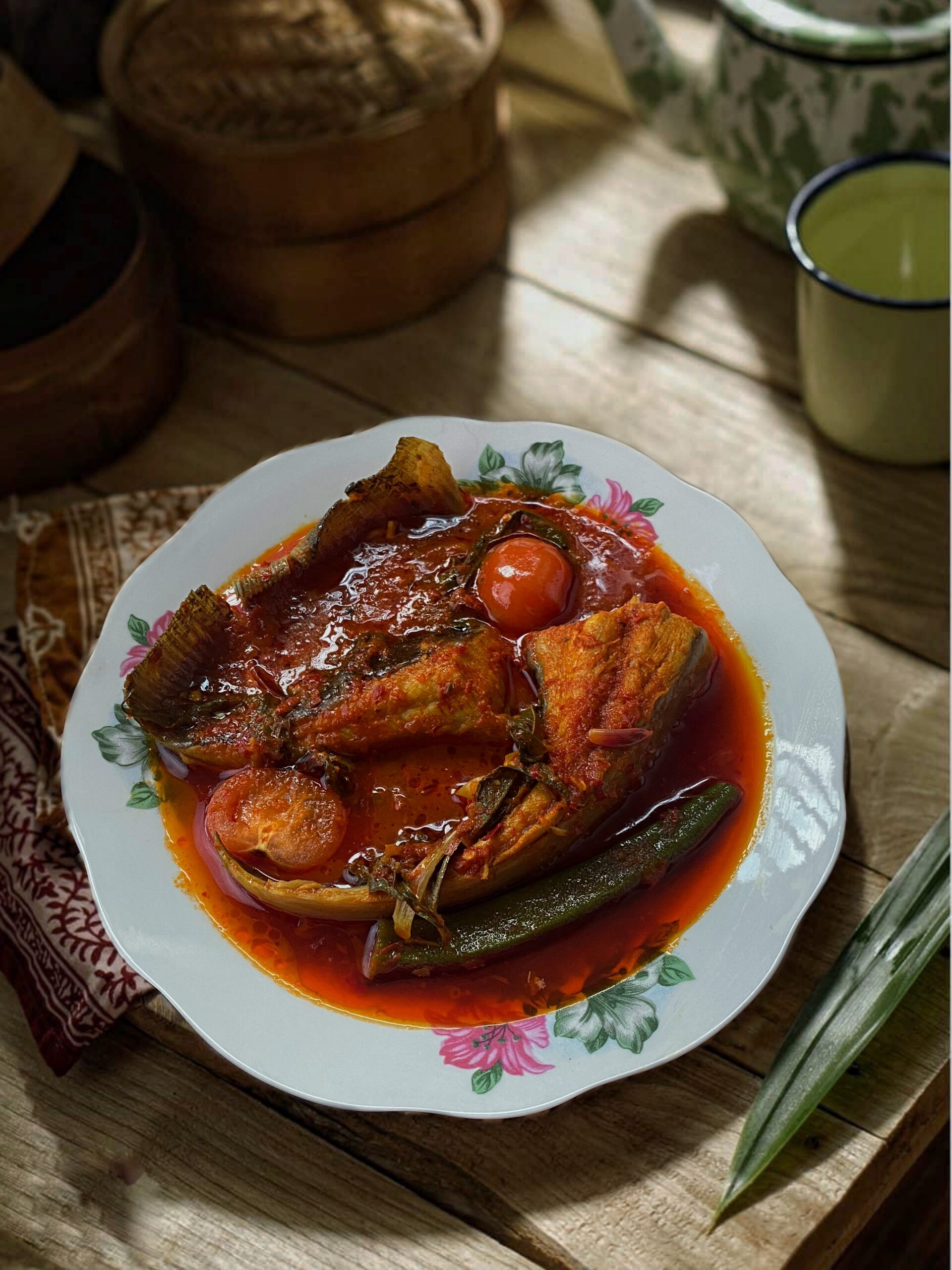
Melaka’s Malay-Muslim food is reason enough to visit. A few dishes to seek out:
- Asam pedas: a tangy, fiery tamarind-based fish stew that is something of a Melaka signature. Stingray and other firm fish are the usual stars, served bubbling hot with steamed rice.
- Nasi lemak: the national breakfast of coconut rice, sambal, crispy anchovies, peanuts, cucumber and egg. Found everywhere from morning stalls to sit-down kedai.
- Satay celup: Melaka’s DIY answer to hotpot, where you dunk skewers of meat, seafood and vegetables into a communal pot of bubbling peanut-based sauce. Several outlets run halal kitchens, so check before you sit.
- Mee bandung and mee rebus: rich, spiced noodle soups that turn up at Malay stalls across town.
- Otak-otak: spiced fish paste grilled in banana or coconut leaf, a classic local snack to eat on the go.
Can you eat Nyonya food on a halal diet?
Yes, more easily than many travellers expect. Peranakan (Nyonya) cooking is one of Melaka’s culinary calling cards, and a growing number of restaurants serve it in halal or Muslim-friendly form. Look for halal-friendly versions of dishes like ayam pongteh (a comforting braised chicken in fermented bean sauce), chap chye (mixed braised vegetables), pai tee (crispy “top hat” cups), cincalok omelette and prawn-based masak lemak. A handful of Nyonya kitchens in Melaka hold halal certification, including ones attached to larger hotels, so the cuisine is no longer off-limits. As always, confirm the certificate on site, since Nyonya restaurants vary widely from fully certified to pork-serving.
Where the halal food clusters
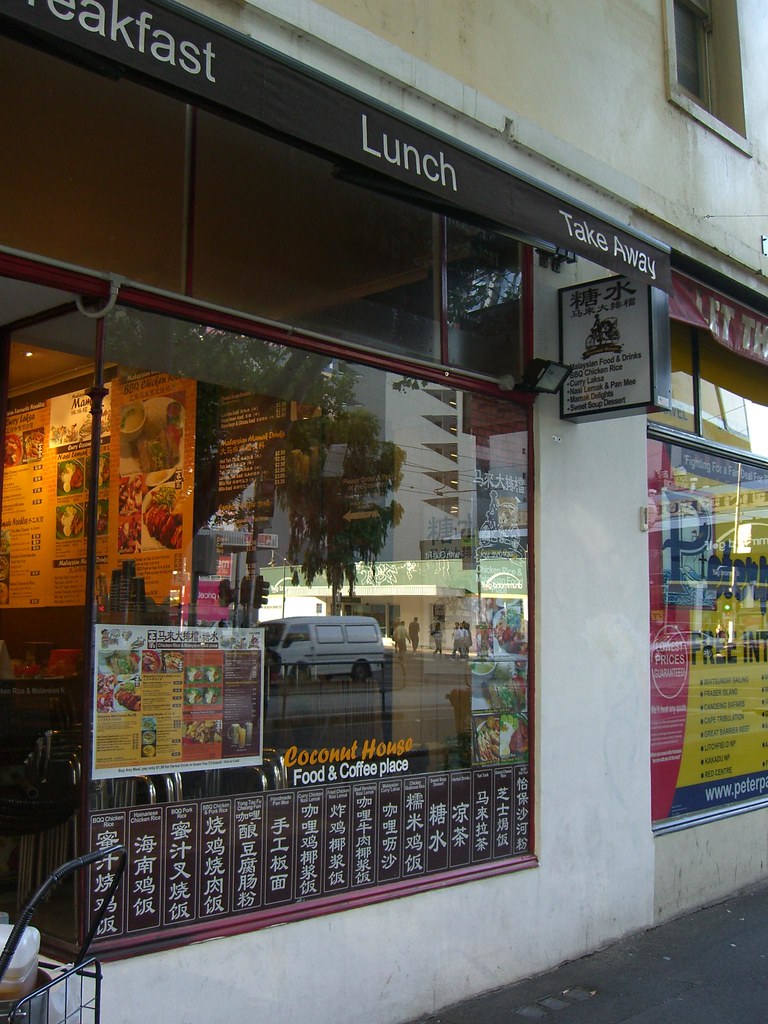
You can eat your way around Melaka on foot if you base yourself well. The main pockets:
- Jonker Street and the old town: the night market (typically Friday to Sunday evenings) and the surrounding lanes have plenty of halal and vegetarian stalls, plus a few well-known heritage-style cafes that run Muslim-friendly menus.
- Bandar Hilir / Banda Hilir: the area around the Dataran Pahlawan and Mahkota malls is packed with food courts and chain outlets, many of them halal, and it is an easy walk from the historic square.
- Melaka Raya: just south of the centre, this grid of shoplots is dense with Malay and Nyonya restaurants and is where a lot of the halal sit-down dining lives.
Wherever you land, the heritage core keeps everything within a short stroll, which is half the pleasure of a Melaka food trip.
Prayer facilities and surau
Finding somewhere to pray is straightforward. Melaka has many mosques, including historic ones right in the old town along the so-called Harmony Street, and most malls and larger food courts keep a surau (prayer room) for visitors. The Dataran Pahlawan megamall in Bandar Hilir, for example, has a surau on site, which makes it a practical mid-day stop for both eating and prayer. Smaller mosques and suraus are scattered through the residential kampung areas, so you are rarely far from one.
Where to stay for an easy halal food trip
The less you have to travel between meals, the better a Melaka eating trip goes. Staying inside or beside the heritage zone puts Jonker Street, the Bandar Hilir food courts and the old-town mosques all within walking distance, so you can pace your day around prayer times and appetite rather than transport. If you are weighing options, our rundown of a convenient place to stay in the heritage zone covers the central choices and what each is good for. Rucksack Inn Premium Melaka is one central option, a short walk from Jonker Street and the old-town mosques, with a pool and rooms for every traveller — twin and queen privates, a family suite, a Garden Suite with a jacuzzi tub, and budget ensuite dorms — when you turn in.
Frequently asked questions
Is Melaka a good destination for Muslim travellers?
Very much so. As a Muslim-majority city with abundant halal food, plentiful mosques and prayer rooms in most malls, Melaka is one of the more comfortable short-trip destinations in the region for Muslim visitors.
How do I know if a restaurant is really halal?
Look for the official JAKIM/JAIM halal certificate displayed on the premises rather than relying on a “Muslim-friendly” sign. You can verify a venue beforehand on the official Halal Malaysia portal or JAIM’s channels.
Is satay celup halal in Melaka?
Some satay celup outlets operate halal kitchens and others do not, since the dish is associated with mixed dining streets. Check for the certification logo before you order rather than assuming.
Can I find halal Nyonya food in Melaka?
Yes. Several Peranakan restaurants, including a few that are halal-certified, serve Nyonya dishes such as ayam pongteh and chap chye in halal or Muslim-friendly form. Confirm the certificate on site, as Nyonya kitchens vary.
Melaka rewards travellers who eat curiously, and a halal diet is no barrier to doing exactly that. Read the certification rather than the marketing, keep to the heritage core where the food and the prayer spots are densest, and you will eat extremely well. Selamat makan.
Related reading