
|
Melaka's Floating Mosque & Waterfront: A Guide to Masjid Selat Melaka
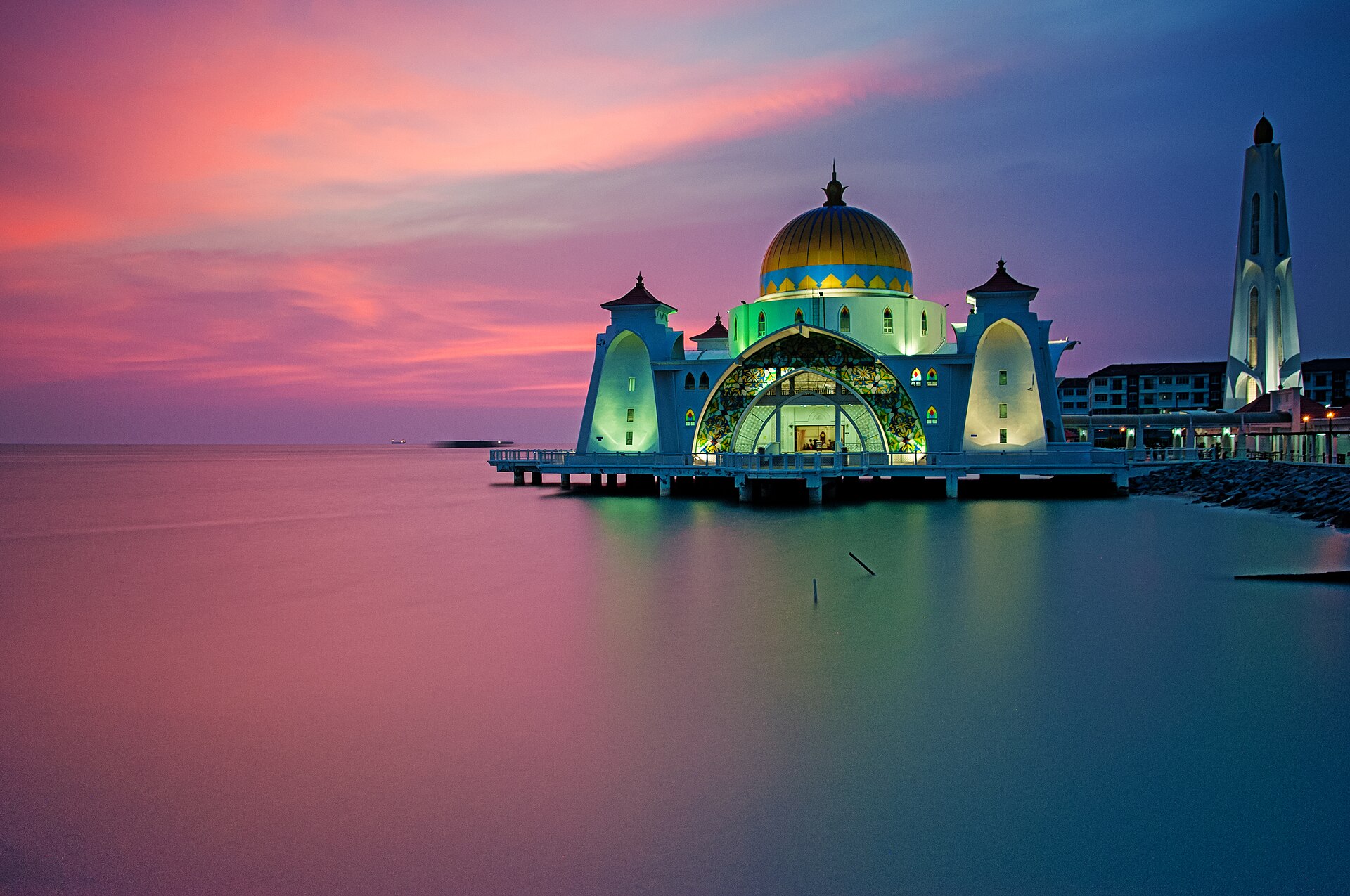
Just off Melaka’s coastline, on a man-made island edged by the strait, stands one of the state’s most photographed modern landmarks. When the tide rises, Masjid Selat Melaka seems to lift clear of the water and hover on the sea, its pale domes and slender minaret catching the last gold of the afternoon. It is a short hop from the heritage core, yet it feels a world away from the crowded lanes of Jonker Street. Whether you come for the architecture, the sunset or a quiet moment by the water, a little planning goes a long way here. This guide covers how to reach the mosque, when the light and tide line up, what to wear, and how to come away with the postcard shot.
Why the Melaka floating mosque is worth the trip
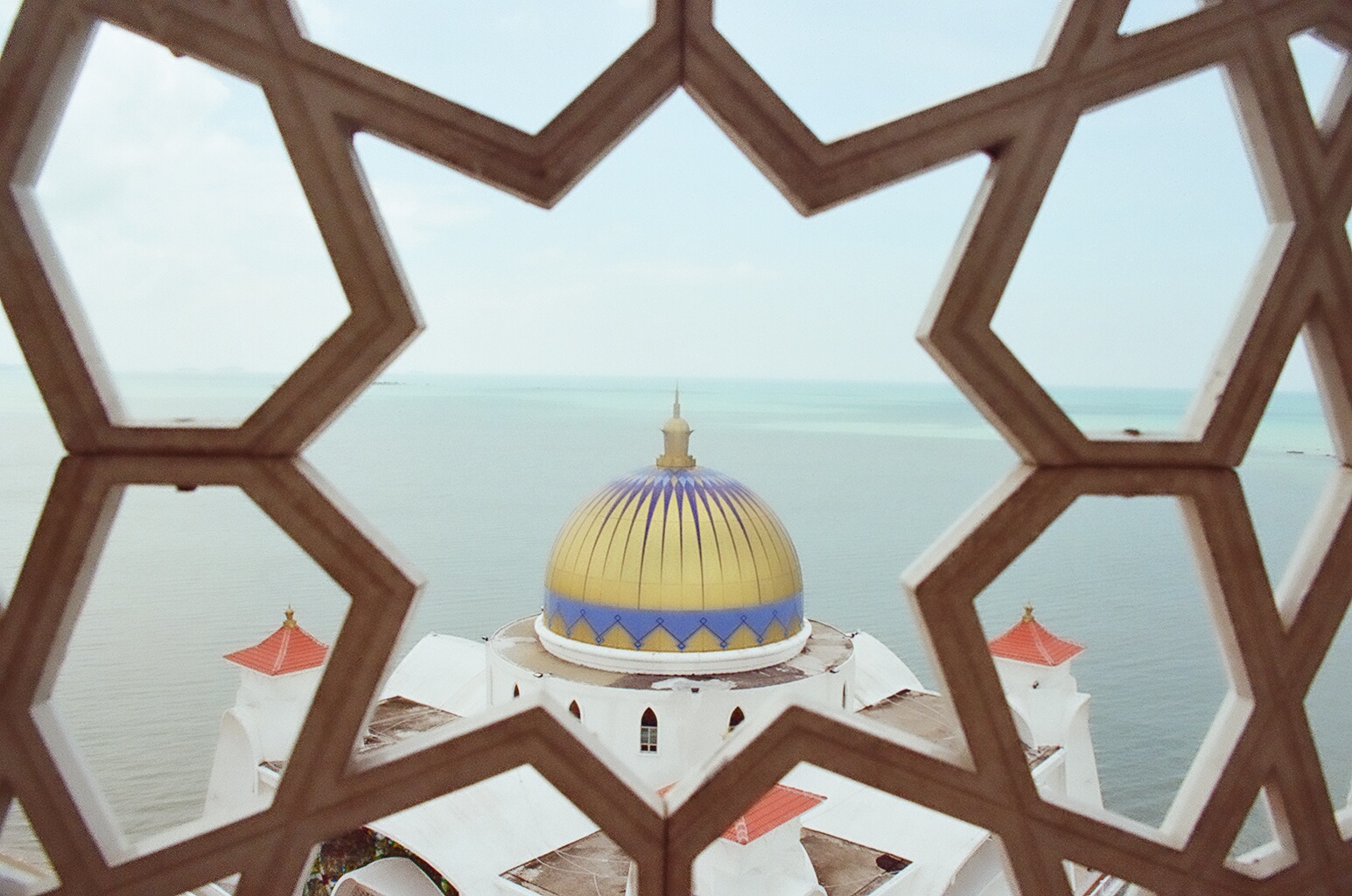
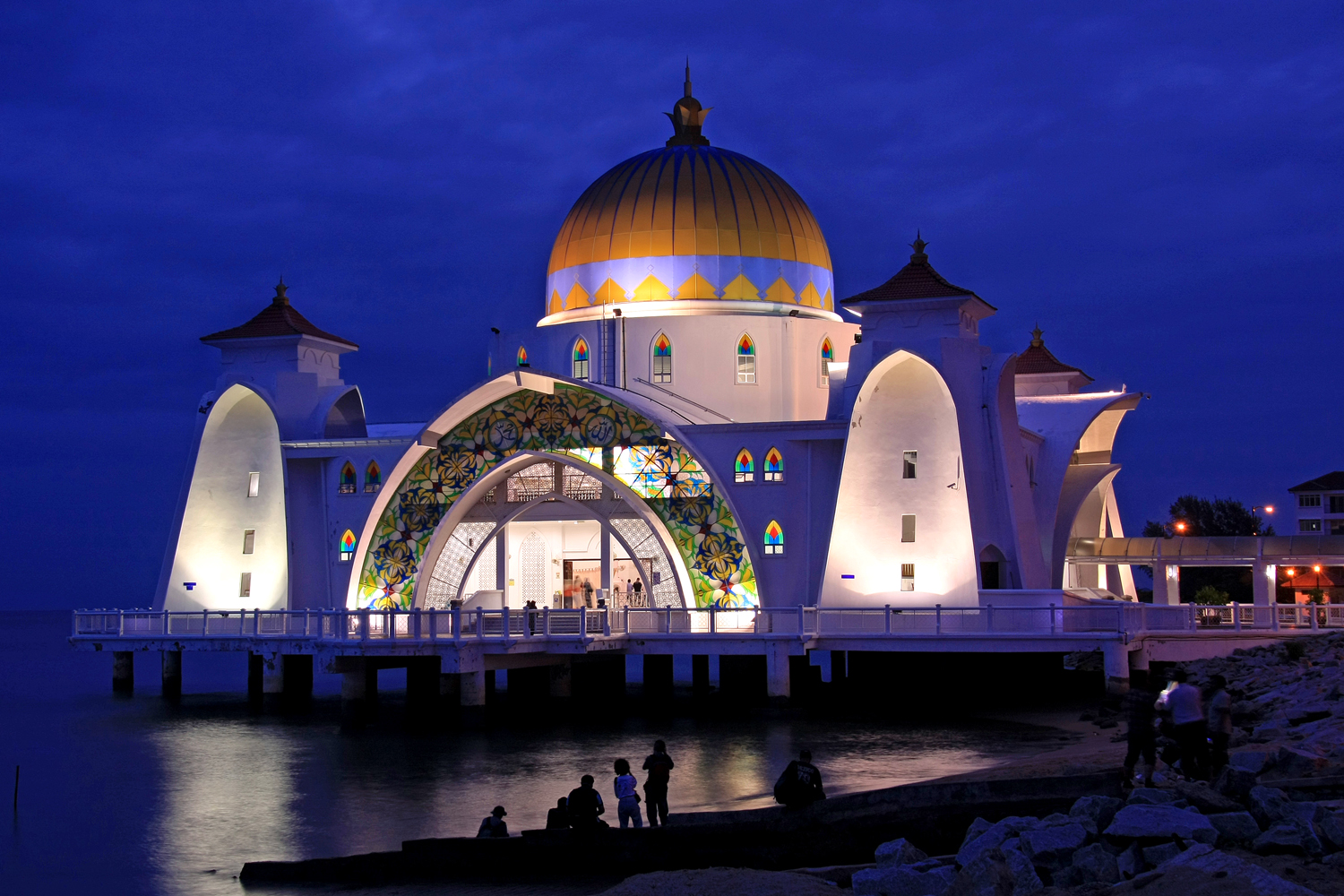
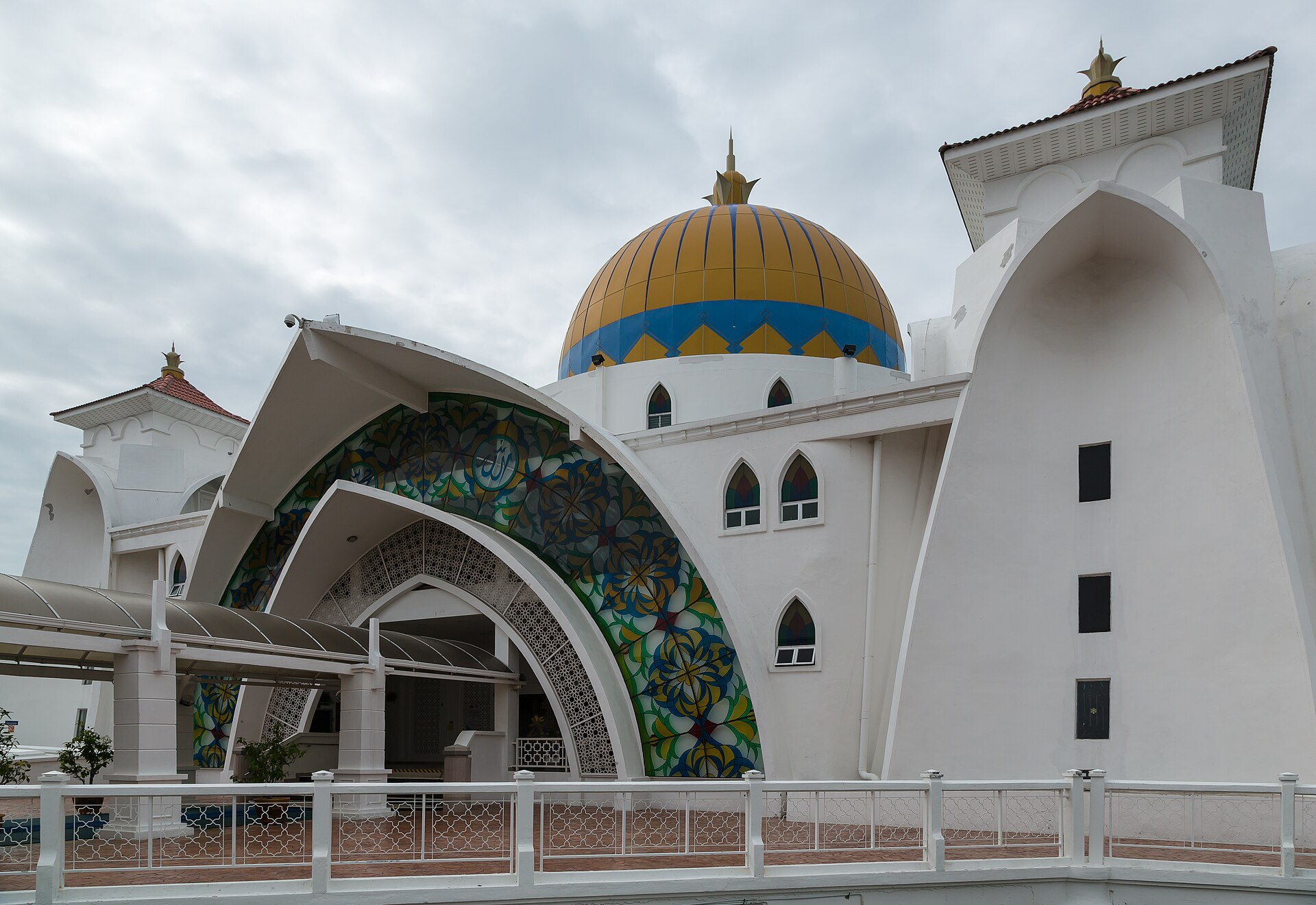
Masjid Selat Melaka, known in English as the Malacca Straits Mosque, sits on the artificial Pulau Melaka a little south-west of the old town. It was inaugurated on 24 November 2006 by the King of Malaysia, and its design deliberately blends Islamic and Malay elements: intersecting archways at the main entrance, stained glass panels, and a 30-metre minaret that doubles as a working lighthouse over the strait.
The “floating” nickname is not marketing. The mosque is built out over the water on the edge of the reclaimed island, so at high tide the base disappears and the whole structure appears to rest on the sea. At low tide you can see the supports beneath, which is why timing your visit around the tide, not just the clock, makes such a difference. Even outside prayer times the setting is serene, and because it stands apart from the packed heritage streets, it rarely feels as hectic as the town centre. For anyone building a picture of the city’s story, the mosque pairs naturally with the older monuments inland, and it is a modern counterpoint to the stories behind Melaka’s landmarks that fill the historic quarter.
How to get to Masjid Selat Melaka
Pulau Melaka is linked to the mainland by a short causeway, so despite sitting on an island the mosque is easy to reach. From the historic core around Dutch Square and Jonker Street it is roughly a 10-minute drive, or about a 20 to 25 minute walk along the waterfront if you fancy the stroll and the weather is kind.
A few practical notes:
- Grab or taxi is the simplest option. A ride-hailing car straight to the mosque gate takes the guesswork out of it, and there is no scheduled public bus that drops you at the door.
- On foot or by bicycle, follow the coastal path south-west from the town centre. It is flat and straightforward, though there is little shade, so carry water.
- Driving is fine too: there is a paid car park on the island. Fees are modest, but weekend evenings fill up quickly as sunset approaches, so arrive early if you want a space.
Because there is no direct public transport, factor a return Grab into your plans, especially after dark when the area is quieter.
Best time to visit: sunset and the tide
The mosque earns its reputation at golden hour. As the sun drops behind the strait, the white stone warms to amber and the domes glow against the sky, so most visitors aim to arrive 30 to 60 minutes before sunset. That gives you time to walk the grounds, settle on a viewpoint and watch the colours shift through to blue hour.
The one variable people forget is the tide. Masjid Selat only looks like it is floating when the water is high; if low tide coincides with sunset, you will see the concrete base and the effect is lost. Before you commit to a date, it is worth checking a Malaysian tide table for Melaka and looking for a high tide that falls within the sunset-to-dusk window. When high water and golden hour overlap, the reflection and the floating illusion are at their best.
If you would rather see the city from the water on the same trip, the Melaka River cruise runs into the evening and offers a completely different angle on the old town, threading past the painted shophouses and heritage bridges.
Dress code and entry rules
Entry to Masjid Selat Melaka is free, though donations towards the mosque’s upkeep are welcomed. It is an active place of worship, so a modest dress code applies to everyone, Muslim and non-Muslim alike.
What to keep in mind:
- Cover shoulders and knees. Long trousers or a long skirt and a top with sleeves are ideal. If you turn up in shorts or a sleeveless top, robes are usually available to borrow on site.
- Women should cover their hair. Bring a light scarf, or use one of the shawls provided at the entrance.
- Remove your shoes before entering the prayer halls, and watch for the “no shoes” signs.
Non-Muslim visitors are welcome outside prayer times, but access to the interior is restricted during prayers. On Fridays the congregational prayer around midday means the mosque closes to casual visitors for a stretch in the early afternoon, so plan a later arrival that day. Speak quietly, ask before photographing worshippers, and the staff are generally happy to have respectful guests.
Photography tips for the floating mosque
This is one of Melaka’s most rewarding spots for photographers, and a few small choices make a big difference.
- Shoot at golden hour and into blue hour. The ten minutes after the sun dips give you a deep blue sky behind the lit-up minaret, which reads far better than a flat midday shot.
- Get low near the water to catch the reflection at high tide and exaggerate the floating effect.
- Frame with the archways. The intersecting arches and stained glass at the entrance make a natural foreground.
- Bring a small tripod or brace your camera for the low-light window after sunset; phone night modes handle it well if you keep steady.
- Respect prayer times and worshippers when composing shots, and avoid using flash inside.
A polarising filter helps cut glare off the water in the brighter part of the afternoon, and a wide lens lets you fit the full sweep of domes and minaret from the waterfront.
Where to stay
Basing yourself close to the old town makes an evening trip to the floating mosque effortless, and Rucksack Inn Premium Melaka puts you within a short walk of Jonker Street and the historic centre. As a centrally located Melaka hostel, it keeps you minutes from the waterfront path and the ride-hailing pick-ups that get you to Pulau Melaka in time for golden hour. Come back to an outdoor pool to unwind, and choose from twin, queen, king and triple private rooms, a Family Suite, a Garden Suite with a bath tub, or ensuite dorms if you are travelling light. It is an easy, comfortable base for pairing the mosque with the heritage sights inland.
Frequently Asked Questions
Is there an entry fee for Masjid Selat Melaka?
No. Entry to the Malacca Straits Mosque is free, though donations towards its maintenance are appreciated. There is a small paid car park on the island if you drive.
Can non-Muslims visit the floating mosque?
Yes. Non-Muslim visitors are welcome outside prayer times, provided they follow the dress code. Interior access is restricted during prayers, and on Friday the mosque closes to casual visitors for a period around the midday congregational prayer.
What should I wear to Masjid Selat Melaka?
Cover your shoulders and knees, and women should cover their hair with a scarf. If you arrive in shorts or a sleeveless top, robes and shawls are usually available to borrow at the entrance. Remove your shoes before entering the prayer halls.
When is the best time to see the mosque look like it is floating?
Aim for high tide within the sunset window. The floating effect only appears when the water is high enough to hide the base, so check a Melaka tide table and arrive 30 to 60 minutes before sunset for the best light.
How do I get to the mosque from central Melaka?
It sits on Pulau Melaka, linked to the mainland by a causeway, roughly a 10-minute drive or a 20 to 25 minute waterfront walk from the Jonker Street area. A Grab or taxi is easiest, as there is no direct public bus.