
|
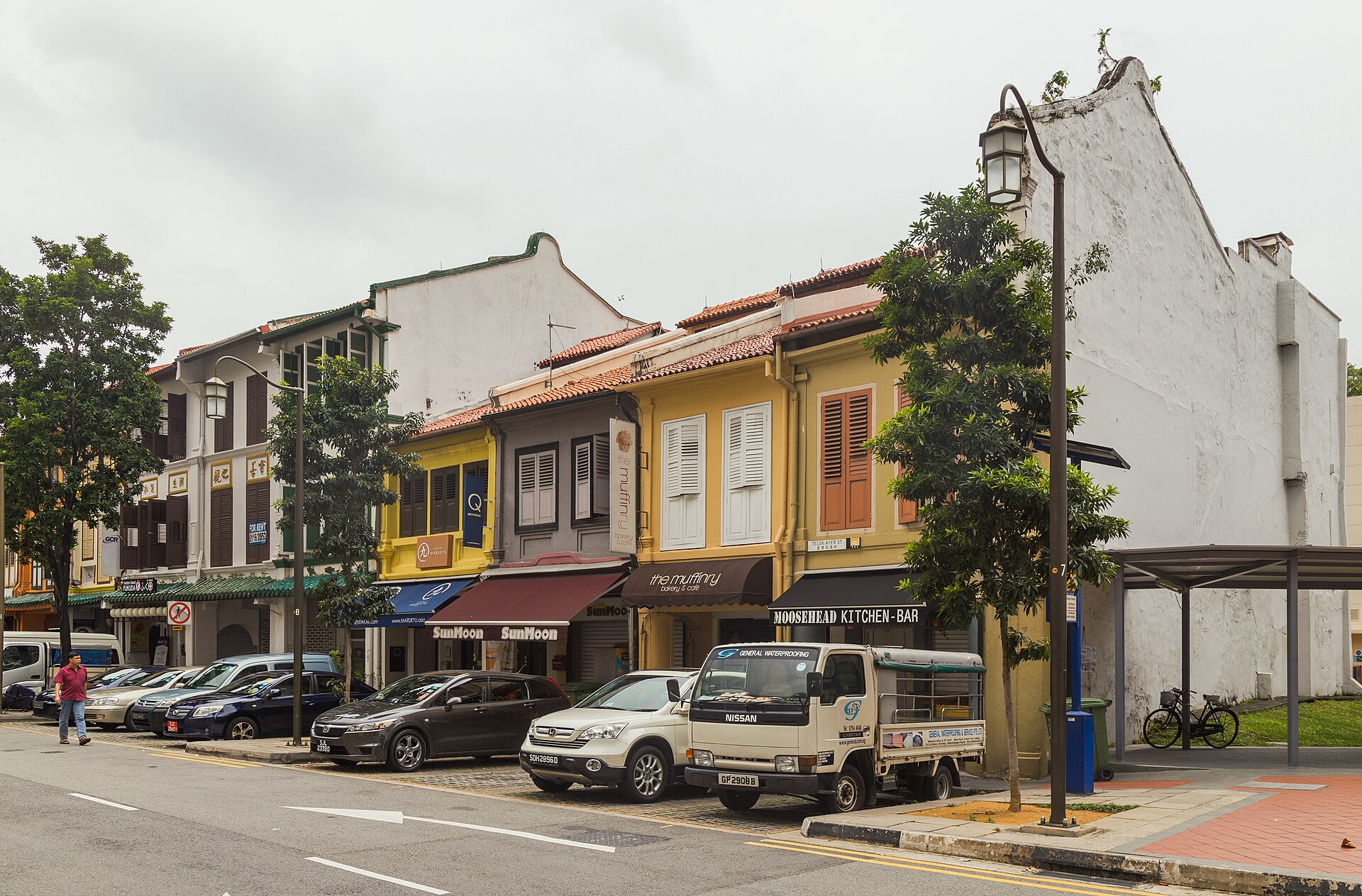
What's Near Chinatown: Tanjong Pagar & Telok Ayer
Telok Ayer Singapore and Tanjong Pagar sit right beside Chinatown. Here’s what to see, eat and how to walk between them in one easy outing.
Most people treat Chinatown as a one-stop destination and leave it at that. But two of Singapore’s most rewarding neighbourhoods sit right on its edge, close enough to fold into the same afternoon. Walk a few minutes east and you reach Telok Ayer, a heritage street of temples, shrines and shophouse cafes. Push a little south and you land in Tanjong Pagar, the CBD enclave that has quietly become the city’s go-to for Korean food and late dinners. If you are already in Chinatown, you are practically there. Here is what to see and eat in both, and how to string them together on foot.
Where Telok Ayer and Tanjong Pagar sit
Telok Ayer and Tanjong Pagar both border Chinatown on its eastern and southern flanks. The name Telok Ayer means “watery bay” in Malay, because this street once ran along the old shoreline before land reclamation pushed the sea away. That history is the reason its temples and shrines were built here: arriving immigrants stepped off their boats and gave thanks at the first place of worship they reached. Tanjong Pagar, just south, grew up around the old docks and is today a dense grid of restored shophouses, towers and restaurants. The two areas flow into each other, and both are an easy stroll from the heart of Chinatown.
Telok Ayer Street: temples, shrines and shophouses
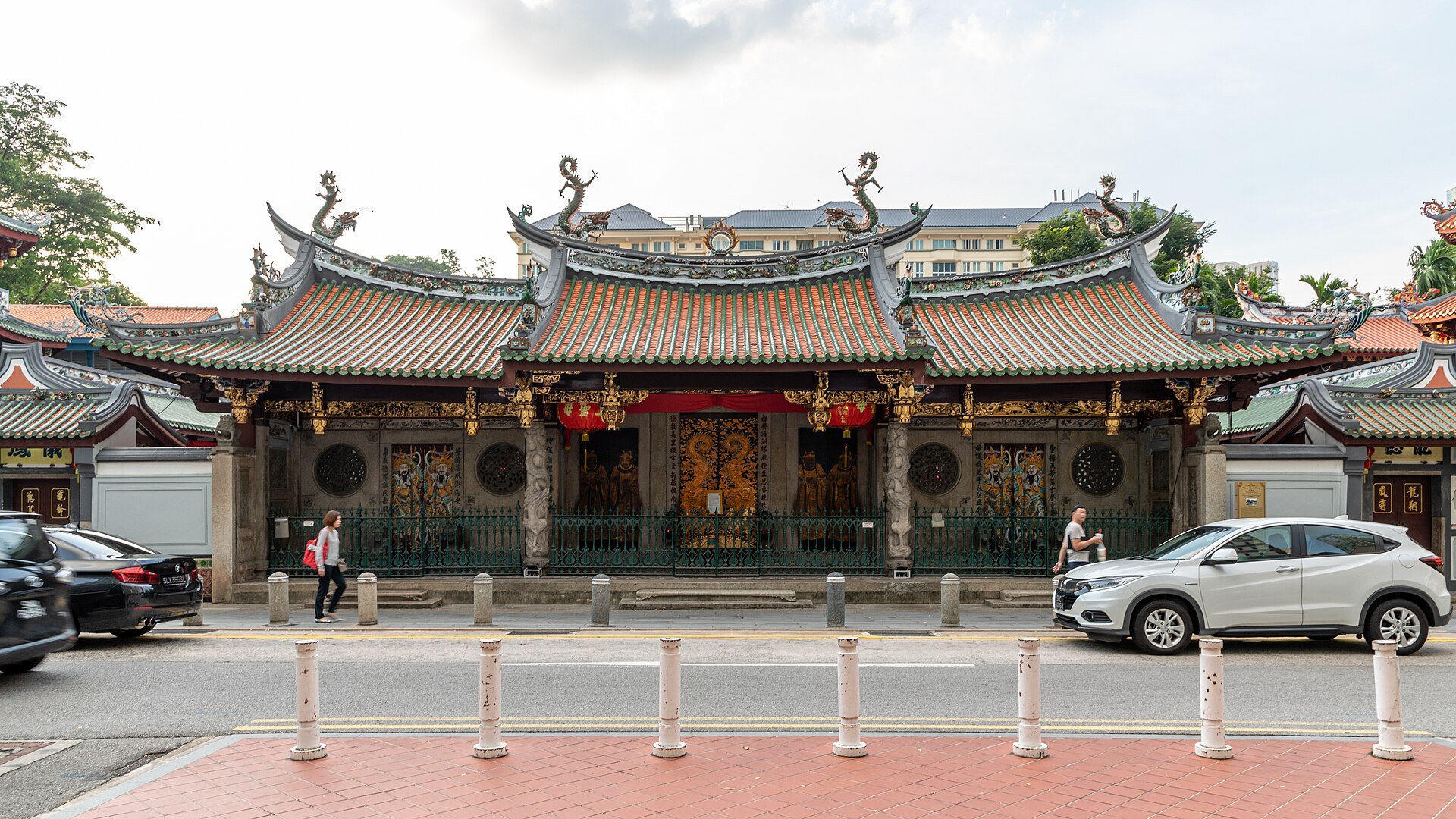
Telok Ayer Street is one of the most concentrated stretches of heritage architecture in the city, and you can walk its length in well under fifteen minutes. The star is Thian Hock Keng, regarded as the oldest Hokkien temple in Singapore, built in the 1840s and dedicated to Mazu, the goddess of the sea. It was where Hokkien sailors gave thanks for a safe crossing, and the craftsmanship across its roofline and courtyards still rewards a slow look.
A short walk away stands the former Nagore Dargah, a striking shrine built by South Indian Muslim immigrants in the early nineteenth century to commemorate a visiting saint; it now runs as an Indian Muslim heritage centre. Nearby is the Al-Abrar Mosque, founded by the same community of early arrivals. Within a few hundred metres you also pass the Telok Ayer Chinese Methodist Church, so the street alone takes you through several faiths and communities, all clustered along what was once the waterfront.
Cafes and coffee on Telok Ayer
Between the monuments, Telok Ayer has turned into one of the city’s most popular cafe-hopping streets. The restored shophouses now hold specialty coffee bars, brunch spots and small bistros, with everything from Melbourne-style flat whites to French galettes and pastry counters. It is an easy place to break up a temple walk: most cafes open for breakfast and brunch, and the side lanes around Amoy Street hold even more. As with any cafe scene, individual spots come and go, so wander a block or two and pick whatever has a queue of locals.
Amoy Street Food Centre: hawker food at lunch
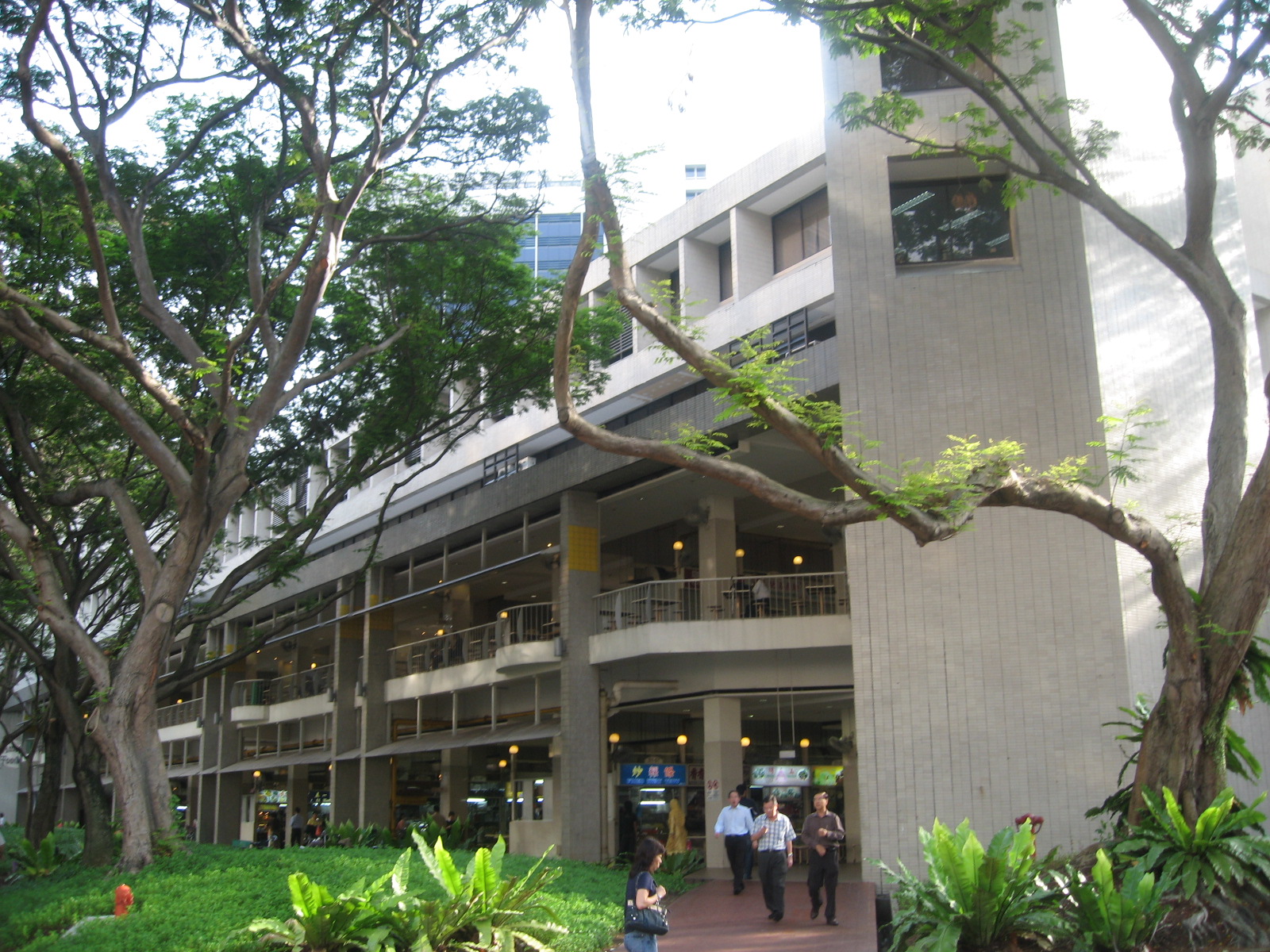
For an old-school meal rather than a flat white, head to Amoy Street Food Centre at the junction of Telok Ayer and Maxwell Road. This two-level hawker centre packs in roughly a hundred stalls, several of them Michelin Bib Gourmand favourites, and it is the lunchtime canteen for the surrounding offices. Expect fishball noodles, fish soup, curry puffs and more, all at hawker prices.
One thing to plan around: Amoy Street runs on an office-crowd schedule. Most stalls open in the morning and wind down by mid-afternoon, and many close on weekends. Aim for a weekday lunch, ideally just before or after the noon rush, when the queues at the popular stalls peak. If a stall is shuttered, there are plenty of others trading right beside it.
Tanjong Pagar: Korean food and late dinners
Carry on south and you reach Tanjong Pagar, which has earned itself the nickname Little Korea. A short stretch of Tanjong Pagar Road and the lanes around Duxton have filled up with Korean barbecue joints, fried-chicken spots, noodle shops and late-night bars, many of them buzzing well past the hour Chinatown’s hawker stalls go dark. It is the natural place to end the day if you want a sit-down dinner and a drink.
The area is not only Korean. Tanjong Pagar’s shophouses hold Italian, Japanese and modern Singaporean kitchens too, plus a clutch of bars tucked along Duxton Hill. Because this is a working CBD district, it has two speeds: quiet and lunch-driven on weekday afternoons, lively in the evenings. Come for dinner and you will have your pick of places.
How to walk between them
The real appeal of these two neighbourhoods is that you do not need transport to enjoy them. From the centre of Chinatown you can reach Telok Ayer Street on foot in around ten minutes, and Tanjong Pagar in a similar time, so the whole loop is comfortably walkable in an afternoon and evening.
A simple route: start among Chinatown’s streets and temples, walk east to Telok Ayer for the shrines and a coffee, drop into Amoy Street Food Centre for a hawker lunch, then continue south into Tanjong Pagar for an early Korean dinner before heading back. The distances are short and the streets are flat, so you can take it at a wander.
Getting there by MRT
If you would rather ride, the area is well served, with three lines meeting within a few minutes’ walk of one another:
- Telok Ayer (DT18, Downtown Line): the closest station to Telok Ayer Street. Exit B brings you straight onto the street itself, beside the temples and cafes.
- Tanjong Pagar (EW15, East-West Line): the handiest stop for the Korean restaurants and bars along Tanjong Pagar Road.
- Maxwell (TE18, Thomson-East Coast Line): sits between Chinatown and Telok Ayer, a useful alternative that also walks easily to Amoy Street Food Centre.
All three are a short ride from the wider network, and from any of them you are within strolling distance of Chinatown itself.
Make it an easy day from a central base
Because Telok Ayer and Tanjong Pagar are essentially Chinatown’s next-door neighbours, the smart play is to stay in the middle of it all and explore on foot. Basing yourself at Rucksack Inn, a Chinatown hostel within walking distance of it all, means you can spend the morning among Chinatown’s streets, drift over to Telok Ayer for lunch, and end the night in Tanjong Pagar without ever queuing for a taxi or working out a transfer. The heritage-shophouse hostel on Temple Street keeps budget bunk dorms and luggage drop right at the centre of that triangle.
Treat Chinatown not as a single stop but as the doorway to a cluster of neighbourhoods. Spend a morning on its main streets, then let Telok Ayer and Tanjong Pagar fill the rest of the day, one for heritage and coffee, the other for a proper dinner. It is some of the easiest, most rewarding walking in the city.
Related reading