|
Understanding Peranakan Culture in Melaka
Melaka is often described as a cultural melting pot, where different traditions and histories blend together beautifully. One of the most vibrant and unique cultures you’ll find here is the Peranakan culture — a colourful fusion of Chinese and Malay heritage with a splash of Portuguese, Dutch, and British influence. But who exactly are the Peranakans, and why is Melaka so important to their story?
Let’s take a journey through time, taste, and tradition to understand what makes the Peranakan culture in Melaka so unforgettable.
Historical Roots of the Peranakan Community
The Peranakan community, also known as Baba-Nyonya, traces its roots back to Chinese immigrants who settled in the Malay Archipelago as early as the 15th century. These settlers intermarried with local Malays, creating a distinct hybrid culture.
During Melaka’s golden era as a major port in the Malay Peninsula, it attracted traders from China, India, Arabia, and Europe. As Chinese men married local Malay women, a new community emerged — one that embraced both Chinese customs and local Malay traditions.
Later, colonial powers like the Portuguese, Dutch, and British brought new influences. You’ll notice it in the architecture, cuisine, and even the language. Melaka became a true cross-cultural hub.
Language and Communication
Ever heard someone speak a mix of Malay with Hokkien tones and English expressions thrown in? That’s Baba Malay, a creole language developed by the Peranakan community. It’s a warm, expressive dialect that reflects the blended identity of its speakers.
While older generations often speak Baba Malay fluently, English and Mandarin have become more common among younger Peranakans today. But in homes and kitchens, especially in Melaka, Baba Malay still lives on.
Unique Traditions and Customs
Peranakan customs are filled with meaning and elegance. From the way they celebrate weddings to how they honour their ancestors, every tradition tells a story.
For instance, Peranakan weddings used to last for 12 days! It involved elaborate rituals, symbolic gifts, and traditional attire. The community places strong emphasis on family respect, loyalty, and ancestral reverence.
Religion also plays a big role. Many Peranakans practise Taoism or Buddhism, while also honouring ancestral spirits with home altars and seasonal offerings.
Peranakan Cuisine: A Taste of History
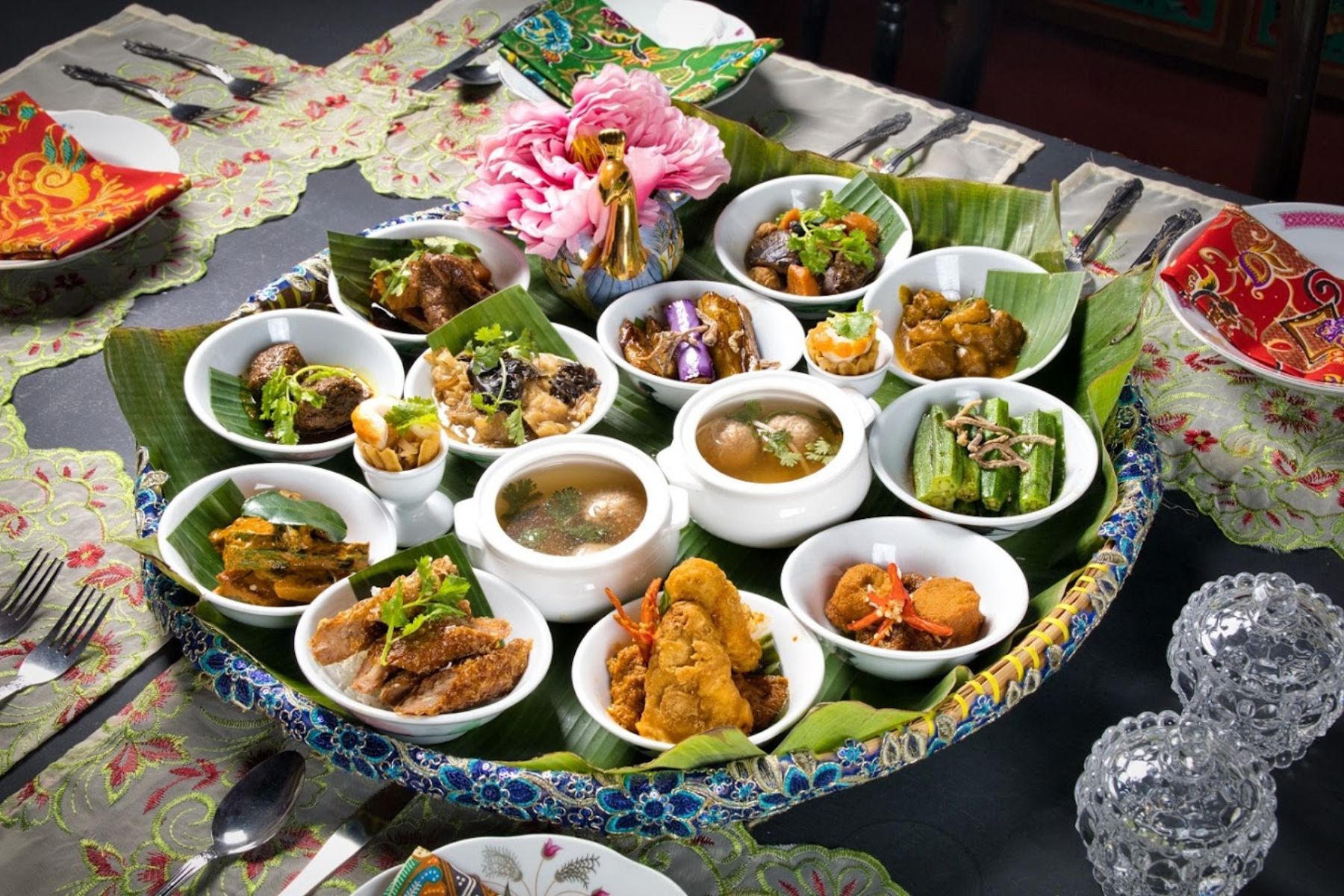
If there’s one thing you must experience in Melaka, it’s Nyonya food — the culinary gem of the Peranakan people. This isn’t your regular home-cooked meal. Nyonya cuisine is labour-intensive, with dishes often requiring hours of preparation.
Signature dishes include:
- Ayam Pongteh – A savoury chicken stew with potatoes and fermented bean paste
- Laksa Nyonya – A spicy coconut-based noodle soup
- Kuih – Colourful steamed cakes made from glutinous rice, pandan, and coconut milk
Expect bold flavours, fragrant herbs, and a spicy kick that lingers on the tongue.
Learn more about Hidden Gems in Melaka.
Fashion and Traditional Attire
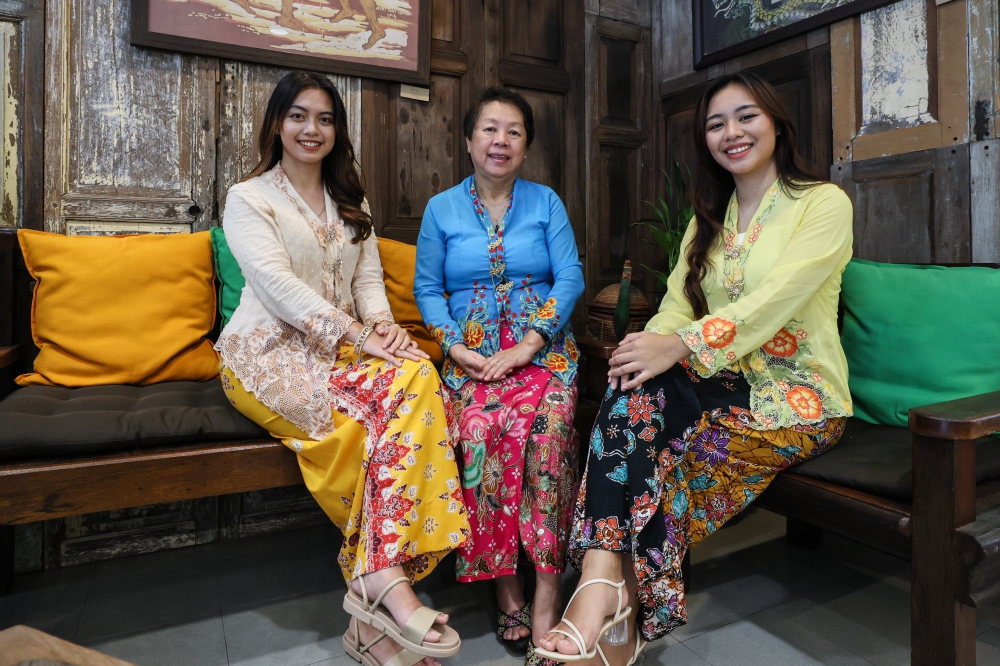
Peranakan women, called Nyonyas, are known for their graceful fashion. They wear kebayas — sheer, embroidered blouses — paired with batik sarongs that are wrapped tightly around the waist.
To complete the look? Kasut manek, delicate beaded slippers handmade with precision and patience. Accessories often include gold jewellery passed down through generations, each with its own symbolic meaning.
Their fashion speaks not just of beauty but of heritage and pride.
Art, Craft, and Architecture
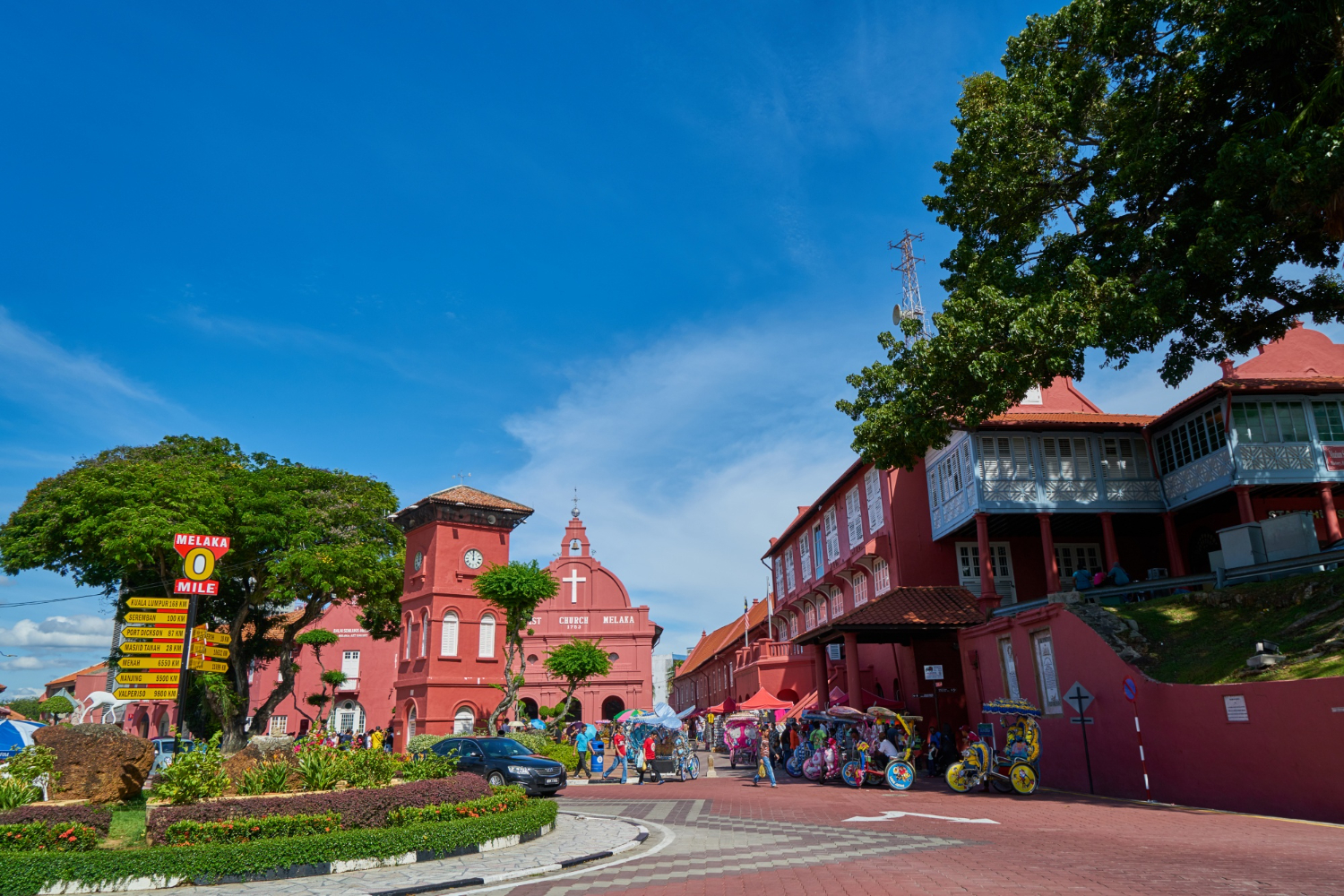
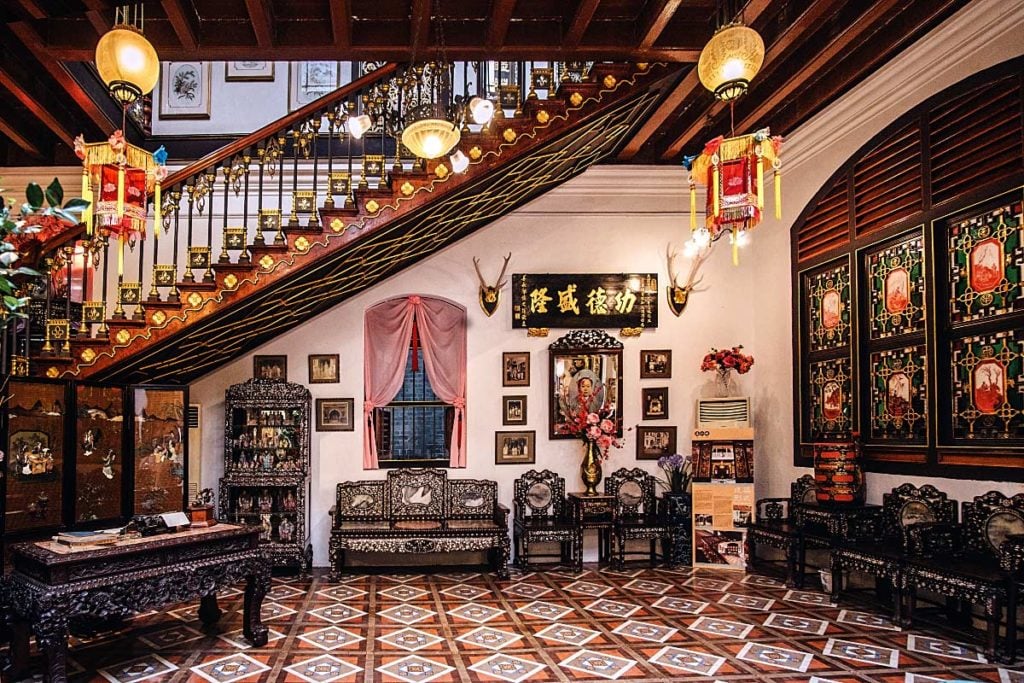
Walk around Melaka’s historic district and you’ll spot rows of colourful shophouses. These buildings are living legacies of Peranakan artistry. From ornate wooden doors to ceramic tiles with floral designs, every detail reflects a blend of Chinese, Malay, and European styles.
Inside these homes, you’ll find:
- Hand-painted porcelain ware
- Intricate beadwork and embroidery
- Antique furniture with mother-of-pearl inlays
It’s not just decoration. It’s a way of preserving identity through everyday objects.
Celebrations and Festivals
Peranakan families love a good celebration — and they know how to do it in style.
Apart from Chinese New Year and Hari Raya, Peranakans celebrate unique traditions like the Tok Panjang, a long-table feast usually held during weddings or festivals. A proper Peranakan wedding was once a grand 12-day affair filled with song, costume changes, and symbolic rituals.
These events reflect the community’s deep respect for tradition and joy in shared celebration.
Museums and Heritage Sites in Melaka
Want to see all this history up close? Head to Baba & Nyonya Heritage Museum on Jalan Tun Tan Cheng Lock. This beautifully preserved home offers a peek into Peranakan life in the early 20th century.
Also, don’t miss:
- Jonker Street – A lively mix of shops, street food, and heritage buildings
- Straits Chinese Jewellery Museum – Where traditional Peranakan jewellery shines
- Preserved Shophouses – Scattered around the old quarters of Melaka
These sites help keep the culture alive for future generations and curious visitors alike.
Modern-Day Peranakans
Today’s Peranakans are proudly keeping their culture alive. While some traditions have evolved, there’s a strong movement to revive Peranakan identity — through cooking classes, language workshops, and cultural festivals.
Younger generations are rediscovering their roots, often with a modern twist. Kebayas are being reimagined with bold colours, and Nyonya dishes are finding their way into trendy cafes.
The Peranakan spirit isn’t just surviving — it’s thriving.
Why Peranakan Culture Still Matters Today
In a world moving so fast, the Peranakan culture is a reminder of the beauty in taking things slow — whether it’s cooking from scratch, hand-beading shoes, or passing down stories at the dinner table.
For Melaka, this culture is more than history. It’s a living part of the city’s soul. It attracts travellers, inspires artists, and bridges communities.
By preserving and sharing it, we honour a unique legacy that continues to shape Malaysia’s multicultural identity.
Conclusion
Peranakan culture in Melaka is more than just a chapter in a history book. It’s a celebration of fusion, resilience, and creativity. From the spicy richness of Nyonya cuisine to the intricate designs of traditional fashion, every part of Peranakan life tells a story worth exploring.
So the next time you visit Melaka, don’t just walk the streets. Listen to the stories, taste the food, visit the museums — and discover a heritage that continues to colour the city’s heart.