|
What to Buy in Melaka: Souvenirs & Local Crafts
Melaka rewards shoppers who know what they are looking for. This old trading port stitched together Malay, Chinese, Indian, Peranakan and Portuguese influences, and every one of those threads still shows up on a shelf somewhere along Jonker Street and its side lanes. The result is a shopping scene that runs from tins of palm sugar to hand-beaded slippers that take weeks to make. If you are wondering what to buy in Melaka that actually means something, skip the mass-produced fridge magnets and reach for the things this city genuinely makes and eats. The edible treats, textiles and crafts that truly reward the suitcase space are clustered within a few lanes of each other, right alongside the shops that make and sell them.
Edible souvenirs: gula Melaka, dodol and pineapple tarts
The tastiest Melaka souvenirs live in the food shops, and they travel well too. Three names come up again and again.
- Gula Melaka: the dark, smoky palm sugar the state lent its name to. Sold in solid cylinders or granules, it sweetens everything from cendol to curries and is the single most Melaka thing you can carry home. Buy the boxed or sealed version for a longer shelf life.
- Dodol: a slow-cooked, toffee-like sweet made from coconut milk, rice flour and palm sugar, stirred for hours until glossy and chewy. Look for pandan and durian versions if you want to push the flavour further.
- Pineapple tarts: buttery little pastries filled with sweet-tart pineapple jam, sold by the boxed dozen. They are a beloved local snack and one of the easiest gifts to hand out back home.
Other edible melaka local products worth a look include coconut candy, sandy coconut cookies (a Peranakan favourite) and cincalok, a pungent fermented-shrimp condiment for the adventurous cook. For a deeper dive into the sweet side of the city, our companion piece on a Melaka dessert trail is a good next read.
Where to buy food souvenirs in Melaka
You do not have to hunt far. A cluster of long-running product centres does the heavy lifting.
- Tan Kim Hock Product Centre: one of the best-known souvenir stops in Melaka, stocking a huge range of food products under one roof, from gula Melaka and dodol to coconut candy, cincalok and medicated nutmeg balm. Many items are packaged specifically for travel.
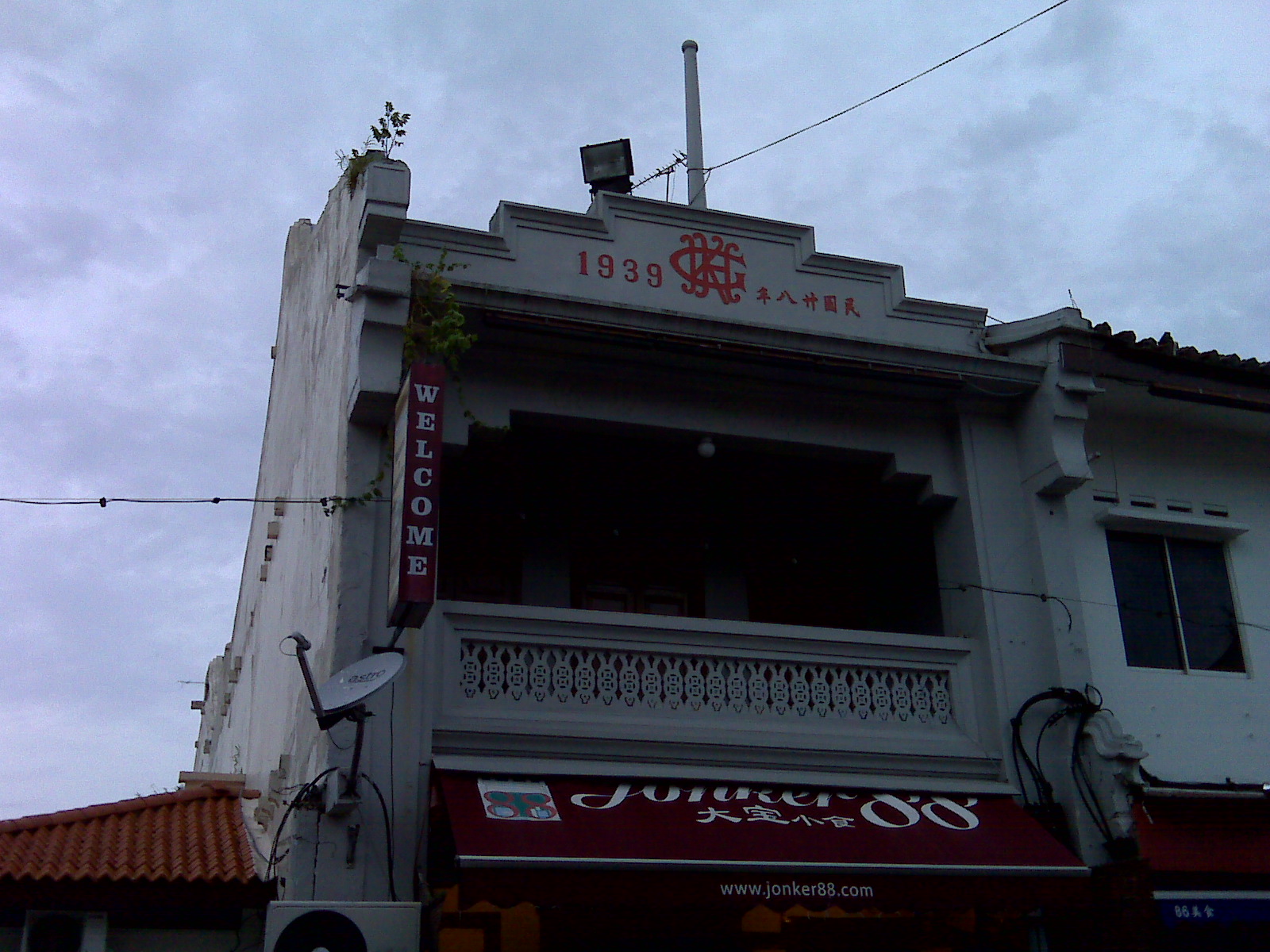
- San Shu Gong: a landmark shopfront right on Jonker Street, easy to spot and easy to browse. It carries dodol, pineapple tarts, coconut cookies, flavoured peanut candies and durian-based treats, and usually offers samples so you can taste before you buy.
Both are geared to visitors, so packaging is sturdy and shelf lives are printed clearly. If you would rather chase down smaller family stalls and markets away from the main strip, the experience-focused approach in our guide to shopping like a local in Melaka points you at the quieter corners.
Nyonya kebaya and Peranakan textiles
Melaka is one of the spiritual homes of Peranakan (Straits Chinese) culture, and its most wearable souvenir is the Nyonya kebaya. This is the sheer, hand-embroidered blouse traditionally paired with a batik sarong, cut close to the body with fine floral needlework along the hems and cuffs. Hunting for a nyonya kebaya melaka trip is a highlight for many visitors, and the Jonker Street area is where to do it.
NY Kebaya at 35 Jalan Hang Jebat is a popular option that both sells and rents full kebaya sets, and it typically stays open through the day into the evening, which is handy if you also want photos in one. Renting is a lower-commitment way to wear a proper set for an afternoon; buying a well-made piece is a keepsake. Look closely at the embroidery density and finishing before you choose, and expect a genuine hand-worked blouse to cost more than a machine-made lookalike. While you are browsing textiles, keep an eye out for batik and songket too, both classic Malaysian fabrics that make elegant, foldable gifts.
Nyonya beaded shoes: a true Melaka craft
If you buy one serious craft object in Melaka, make it a pair of Nyonya beaded shoes, known locally as kasut manik. Each pair is embroidered with thousands of tiny glass beads worked into floral or peacock motifs by hand, a Peranakan skill that is increasingly rare.
Several specialist shops sit within a short walk of each other around Jonker Street:
- J Manik at 23 Jalan Hang Lekir, run by a maker who is candid about why fine pairs are not cheap.
- TS Lim Trading at 63 Jalan Tokong, a long-established name where the shoemaker learned the craft from his mother and has been hand-beading for decades.
On price, treat these as craft prices rather than souvenir prices. Pairs beaded with Japanese glass beads have been quoted from roughly RM450 to RM680, while premium pairs using finer Czech cut beads run considerably higher because a single pair can take weeks or even months to complete. Rates vary by shop, bead type and design, so confirm the current price in store. Buy these as heirlooms, not impulse buys, and you will understand the cost the moment you see the work up close.

Art, batik and handmade crafts
Beyond food and fashion, Melaka has a genuine creative streak worth browsing.
- The Orangutan House: the gallery-studio of artist Charles Cham at No. 59 Lorong Hang Jebat, recognisable by the huge ape painted on the wall. Alongside original paintings, it sells printed T-shirts carrying Cham’s playful, often cheeky designs, typically priced around RM39, which makes for a light, characterful gift.
- Batik and hand-crafted homeware: small workshops and stalls sell batik scarves, wall pieces and clothing, plus woven pandan-leaf baskets and mats and carved wooden pieces. These fold flat and survive a suitcase well.
These lighter, lower-cost buys are ideal for filling out a gift list without weighing down your bag, and browsing the artist-run shops is half the fun even if you leave empty-handed.
When and how to shop Jonker Street
Timing changes the experience completely. The famous Jonker Walk night market runs on Friday, Saturday and Sunday evenings, roughly from 6pm until around midnight, when the street closes to traffic and fills with food stalls, trinket vendors and buskers. It is atmospheric and great for snacks and cheap curiosities, but it is crowded and better for browsing than for inspecting delicate craft work.
For the serious buys, come in daylight, ideally earlier in the week. The kebaya boutiques, beaded-shoe specialists and product centres keep regular daytime hours, the street is calmer, and you can actually talk to makers about their materials. A sensible plan is to do your considered shopping by day and save the night market for street food and impulse finds. Carry some cash, since smaller stalls may not take cards, and pack a soft bag for fragile items like beaded shoes and boxed tarts.
Where to stay for easy access to the shops
Where to stay
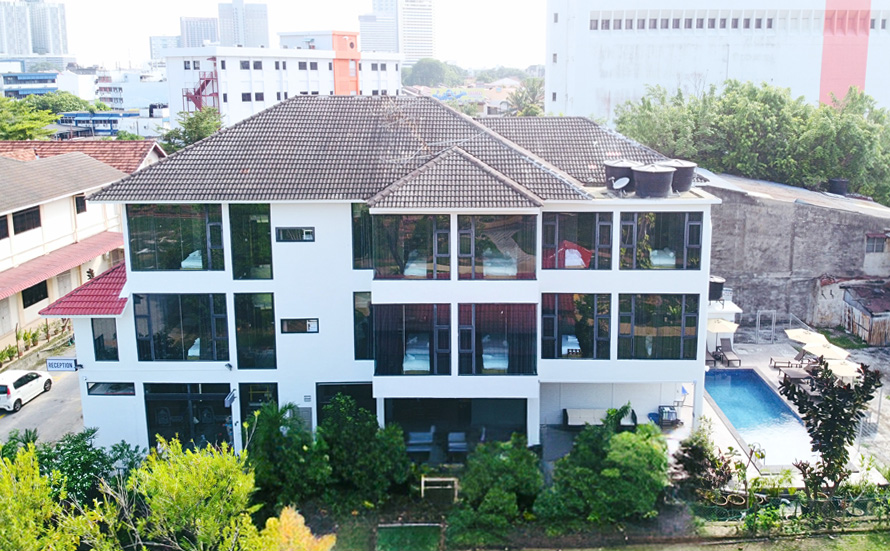
After a day weaving through craft shops and food halls, you will want your base within easy carrying distance of Jonker Street. Rucksack Inn Premium Melaka sits about a five-minute walk from the heritage core, which means fragile beaded shoes and tins of pineapple tarts make it back to your room before the afternoon heat gets to them. It is a boutique hostel-hotel, so you can choose a private twin, queen, king or triple room, stretch out in the Family Suite, treat yourself to the Garden Suite with its bath tub, or keep costs down in a clean ensuite dorm. There is an outdoor pool for cooling off between shopping runs, and the walkable location means you can drop your bags, refresh, and head back out for the night market without a taxi. For a fuller rundown of neighbourhoods and where each one puts you in relation to the shops, browse our guide to accommodation in the heritage zone.
Frequently Asked Questions
What is Melaka most famous for buying?
Food souvenirs top the list: gula Melaka (palm sugar), chewy dodol and buttery pineapple tarts. Beyond the pantry, Melaka is known for Peranakan crafts, especially the hand-embroidered Nyonya kebaya and intricately beaded Nyonya shoes, plus batik, songket and locally designed art T-shirts.
Where can I buy authentic Nyonya kebaya in Melaka?
Head for the Jonker Street area. NY Kebaya at 35 Jalan Hang Jebat both sells and rents kebaya sets and is open through the day into the evening. Several nearby Peranakan boutiques stock kebaya alongside beaded shoes, so it is worth comparing embroidery quality before you commit.
How much do Nyonya beaded shoes cost?
Handmade pairs are a genuine craft item, so expect craft-level prices. Pairs made with Japanese glass beads have been quoted from around RM450 to RM680, while premium pairs using Czech cut beads run much higher because each pair can take weeks or months to finish. Prices vary by shop and design, so check the current rate in store.
When is the best time to shop on Jonker Street?
The Jonker Walk night market runs Friday, Saturday and Sunday evenings, roughly 6pm to midnight, and that is when stalls, snacks and buskers are in full swing. If you prefer to browse craft shops calmly and actually talk to makers, come in the daytime earlier in the week when the street is quieter.
Can I bring gula Melaka and dodol home on a flight?
Both are solid or semi-solid foods, so they generally travel fine in checked or hand luggage, though very soft dodol is best packed to avoid squashing. Buy vacuum-sealed or boxed versions from established shops for a longer shelf life, and check your home country’s food-import rules before you fly.