
|
The Museums of Melaka: Which Are Worth Your Time
A practical guide to the best Melaka museums — Baba & Nyonya, the Maritime Museum, Stadthuys and the Sultanate Palace — with hours, what to expect and how to plan.
Melaka has more museums per square kilometre than almost anywhere else in Malaysia — the heritage core alone packs in a dozen, from a galleon on the river to a townhouse frozen in the 19th century. That abundance is also the problem: try to see them all and you will burn a day shuffling through half-empty galleries. This guide cuts to the Melaka museums actually worth your time, what each one does well, and how to string a few together without museum fatigue. Most of these sit within a short walk of each other around Dutch Square, so a focused half-day covers the highlights.
Baba & Nyonya Heritage Museum: the one to book first
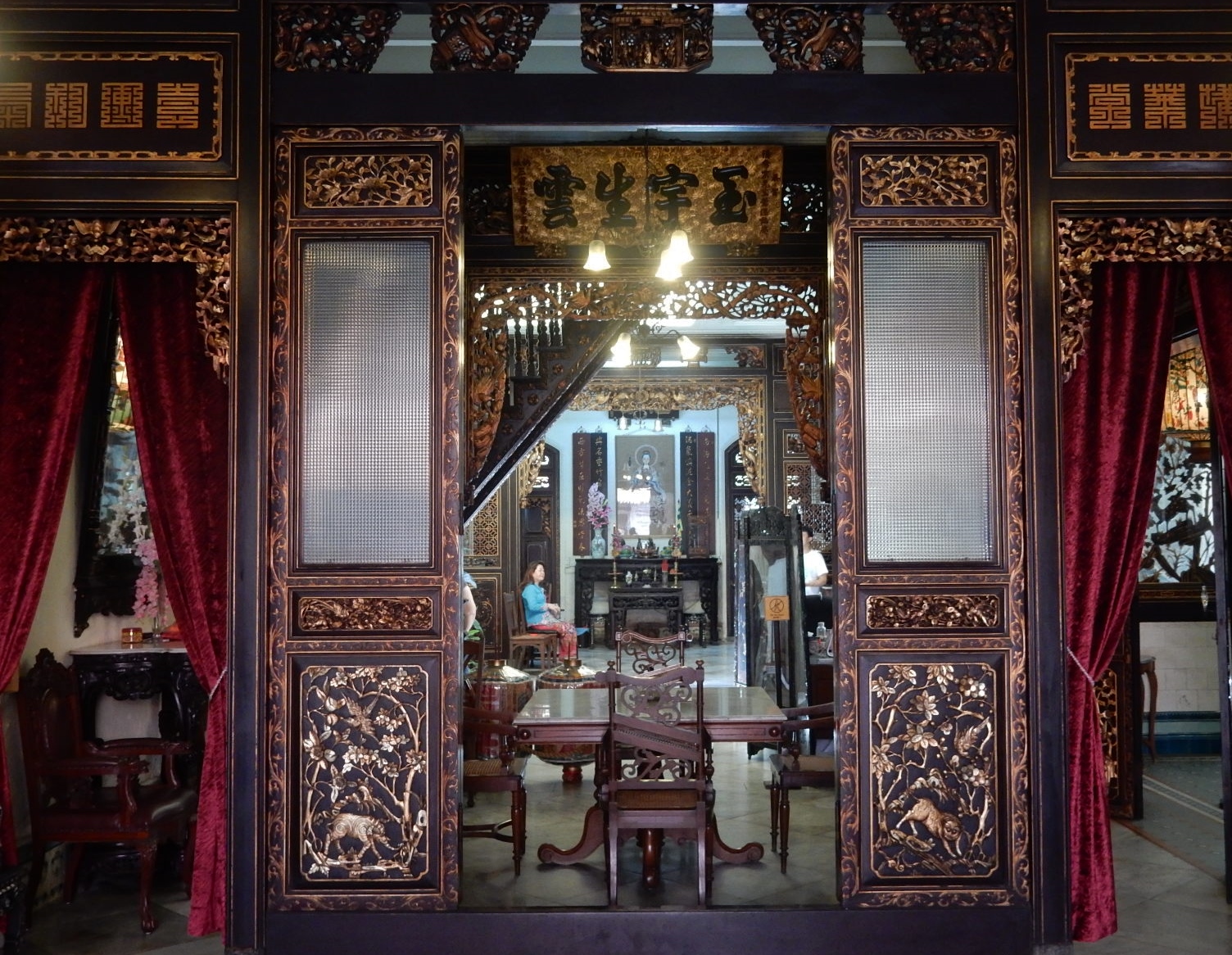
If you visit a single museum in Melaka, make it this one. The Baba & Nyonya Heritage Museum is a restored Peranakan townhouse on Jalan Tun Tan Cheng Lock — the old “Millionaires’ Row” of Heeren Street — and it is the best window in the city into the world of the Straits-Chinese families who built much of Melaka’s wealth. You see it as a guided tour rather than a wander-at-your-own-pace gallery: a guide walks you through the front reception hall, the ancestral altar, the inner courtyard and the bedrooms, explaining the gilded carvings, the imported tiles and the wedding traditions as you go.
A few practical notes. Entry is by timed guided tour, so it pays to arrive early or book a slot in advance, especially on weekends when groups fill up fast. The house is open most days but closed on Tuesdays, with roughly 10am to mid-afternoon hours (last admissions are earlier than the closing time, so don’t leave it to the end of the day). Photography rules are stricter than at the public museums, and there is a hefty surcharge for visitors who turn up in costume, so leave the cosplay at the hostel. The townhouse is the best place in the city to understand the Straits-Chinese, or Peranakan, families who blended Chinese, Malay and European tastes into something wholly Melakan — and a little background beforehand makes the gilded interiors far more rewarding.
The Maritime Museum (Flor de la Mar): the galleon on the river
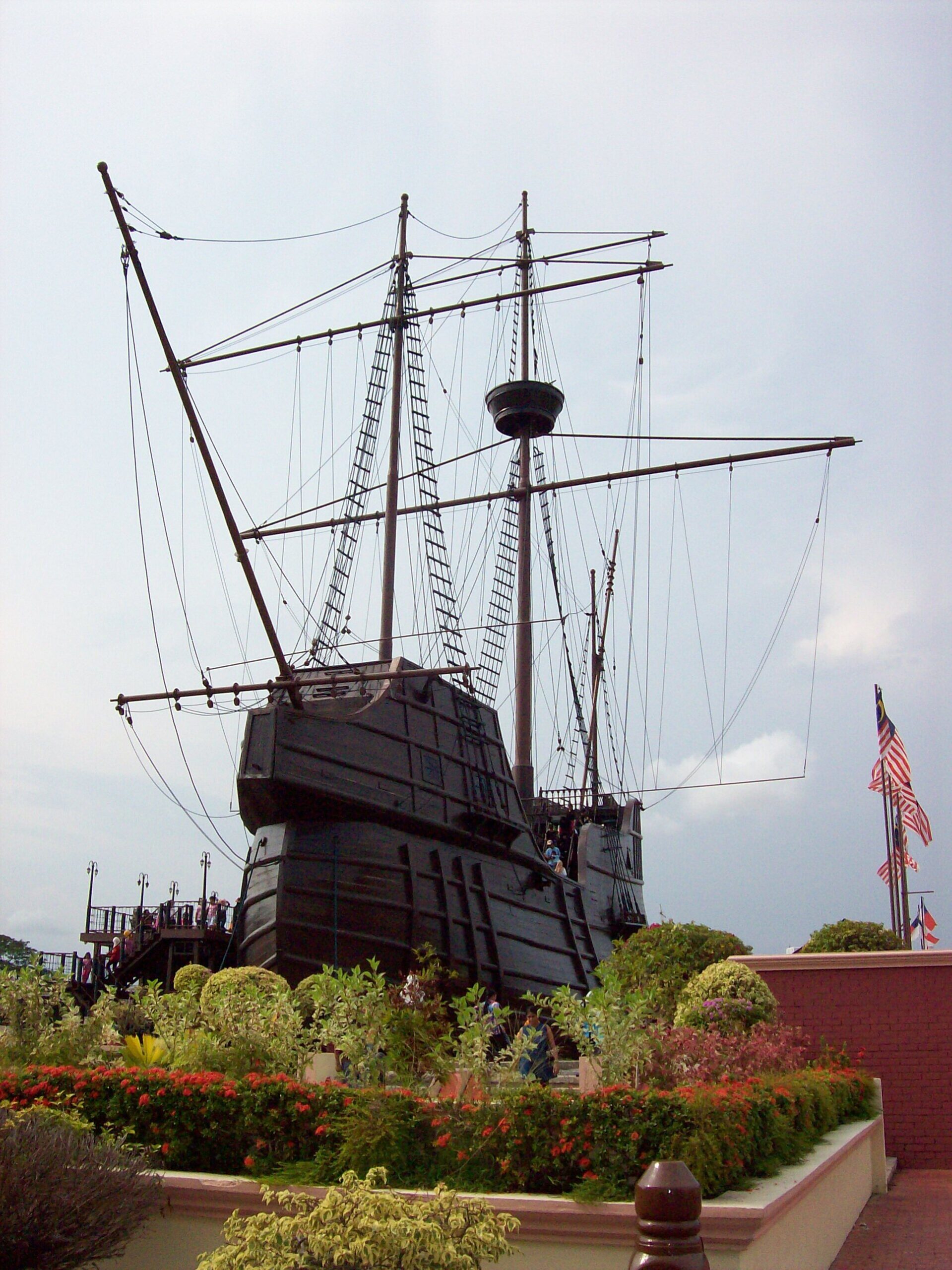
You cannot miss this one — it is a full-scale wooden replica of the Flor de la Mar, the Portuguese carrack that sank off Melaka in 1511 laden with treasure, moored beside the river near Dutch Square. Inside, the Maritime Museum (Muzium Samudera) climbs through several decks of model ships, dioramas and panels tracing Melaka’s role as a trading port across the Portuguese, Dutch and British eras. The ship itself is the real draw — kids love clambering through the hull — and the views from the upper deck over the river are worth the climb — the same river you can ride on the Melaka River cruise.
It is one of the better-value tickets in town, usually only a few ringgit, and your admission typically also covers the adjacent Royal Navy and maritime galleries on the riverbank, so check what the single ticket includes before you buy a second. The museum keeps Tuesday-to-Sunday hours and is generally closed on Mondays. Be warned the decks are narrow and steep in places, so it is not the most comfortable visit in the midday heat — go earlier in the day if you can.
The Stadthuys & History and Ethnography Museum: Melaka 101
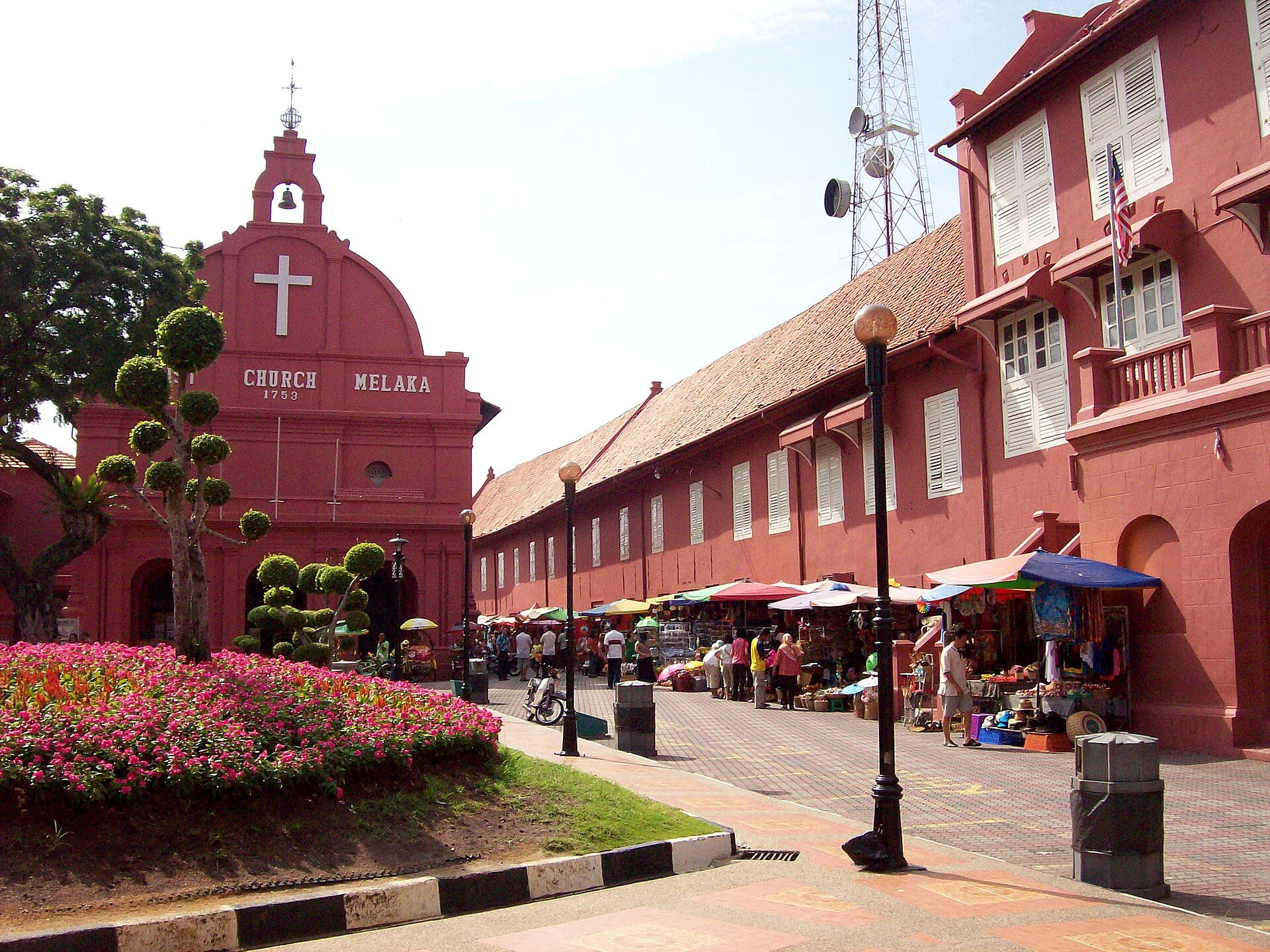
The salmon-red Stadthuys dominating Dutch Square is the headline image of Melaka, and it is also a museum. Built by the Dutch in the 1650s as the governor’s residence and town hall, it now houses the History and Ethnography Museum — the best single primer on how the city went from Malay sultanate to Portuguese, Dutch and British hands and out the other side. The galleries run through founding myths, colonial rule, local costume and customs, and the building itself, with its thick walls and shuttered windows, is part of the exhibit. For the community that outlived those colonial chapters, Melaka’s Portuguese Settlement keeps its Eurasian culture alive today.
This is the most generous ticket in the city. One admission to the Stadthuys complex covers several connected museums in the same cluster — the history and ethnography galleries plus smaller museums on literature, education and democratic government — so it is the easiest way to fill an hour or two under one roof. Foreign-visitor entry is a modest flat fee, with reduced rates for children. The complex keeps long daily hours and stays open late on Fridays and weekends, which makes it a good late-afternoon stop when the smaller museums have shut. There are usually free English-language guided tours of the history galleries on weekend mornings and afternoons if you want the narrated version.
The Melaka Sultanate Palace: a reconstructed istana
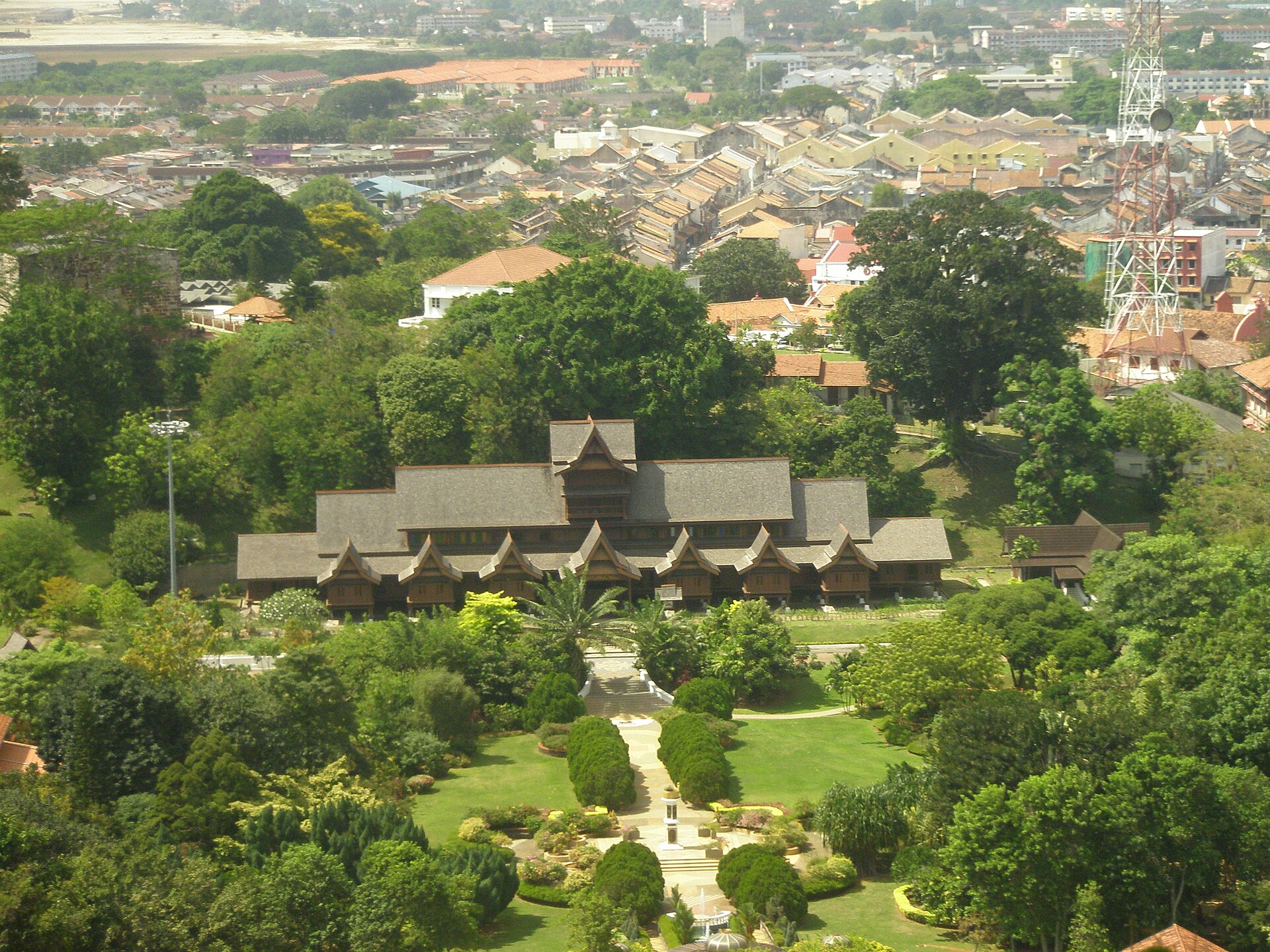
A short walk up the slope of St Paul’s Hill, the Melaka Sultanate Palace (Muzium Istana Kesultanan Melaka) is a wooden reconstruction of the 15th-century palace of Sultan Mansur Shah, rebuilt from descriptions in the Malay Annals. Where the colonial museums tell the European side of the story, this one centres the Malay sultanate that made Melaka a power in the first place. Inside, the Cultural Museum lays out costumes, weapons, court ceremony and dioramas of palace life, including the famous scene of the loyal warrior Hang Tuah.
The building — all dark timber, carved gables and no nails — is arguably more interesting than some of the displays, and the surrounding gardens are a pleasant pause. Tickets are inexpensive, roughly RM20 for foreign adults with cheaper child rates, and the museum is generally open Tuesday to Sunday and closed on Mondays. It pairs naturally with a climb up to the ruins of St Paul’s Church and the A’Famosa gate just above it, so plan the palace as the start of a small uphill heritage loop. For the wider context behind these sites, our deep dive into the stories behind Melaka’s landmarks connects the dots between the palace, the fort and the hill.
Worth a look if you have more time
Beyond the big four, Melaka’s smaller museums are hit and miss, but a few reward the curious:
- Cheng Ho Cultural Museum: a large, sprawling museum on Jalan Tun Tan Cheng Lock devoted to the Ming admiral Zheng He and his fleets’ visits to Melaka — better than its tourist-trap location suggests, though it takes time to do properly.
- Straits Chinese Jewellery Museum: a small, focused collection of Peranakan gold and beadwork, a neat add-on if the Baba & Nyonya house leaves you wanting more.
- Malacca Sultanate Watermill and the riverside galleries: minor stops you can fold into a riverfront walk rather than make a special trip for.
The ones to be wary of are the cluster of privately run “experience” museums and oddity halls near the river — the upside-down house, the illusion museums and similar — which are photo gimmicks rather than history, and priced accordingly.
How to plan a museum day in Melaka
The good news is geography: almost everything above is within a ten-minute walk of Dutch Square, so you can plan on foot.
- Start at the Baba & Nyonya museum: book or arrive for an early tour slot, since it is the one most likely to fill up and the only one that runs on a fixed schedule.
- Cross to the river for the Maritime Museum: do the galleon mid-morning while the decks are cooler and quieter.
- Walk up to the Sultanate Palace and St Paul’s Hill: combine the istana with the church ruins and A’Famosa in one uphill loop.
- Finish at the Stadthuys: save the History and Ethnography complex for last, since it stays open latest and air-conditioning is welcome by late afternoon.
Two museums done well beat five rushed. If you only have a half-day, the Baba & Nyonya house plus the Stadthuys complex give you both the intimate, lived-in Melaka and the big-picture history without a single taxi ride.
Where to stay for a museum-focused trip
The whole appeal of Melaka’s museums is that they cluster — and basing yourself inside the heritage zone means you walk to every one of them and duck back to cool off between visits. Rucksack Inn Premium Melaka is a Malacca hostel near the heritage core, within an easy stroll of Dutch Square, the Sultanate Palace and the riverfront, so an early museum start or a midday break is a short walk rather than a journey — and between exhibitions you can cool off in the pool or retreat to a room that fits: a twin or queen private, a family suite for groups, or the Garden Suite with its jacuzzi bath, with budget ensuite dorms too. Staying central also means you can split a long museum day into two relaxed sessions instead of one exhausting march.
Frequently asked questions
Which museum in Melaka is the best?
For most visitors the Baba & Nyonya Heritage Museum is the standout — a guided tour through a genuine Peranakan townhouse that brings Melaka’s Straits-Chinese heritage to life. The Stadthuys History and Ethnography Museum is the best all-round primer if you want the city’s full story under one roof.
Do I need to book Melaka museum tickets in advance?
Only the Baba & Nyonya museum really benefits from booking ahead, because entry is by timed guided tour and slots fill up on weekends. The public museums — the Stadthuys, Maritime Museum and Sultanate Palace — sell tickets at the door and rarely require advance booking.
Is there a combined ticket for Melaka’s museums?
There is no single pass covering every museum in the city, but the Stadthuys ticket is effectively a combined one — a single admission covers the History and Ethnography Museum plus several smaller museums in the same complex. The Maritime Museum ticket likewise usually includes its neighbouring riverbank galleries.
Which days are Melaka’s museums closed?
It varies, so check before you go. The Baba & Nyonya museum is typically closed on Tuesdays, while the Maritime Museum and the Sultanate Palace are generally closed on Mondays. The Stadthuys complex tends to open daily and stays open latest on Fridays and weekends.
How much do Melaka museums cost?
They are inexpensive by regional standards. Public museums like the Stadthuys and Maritime Museum charge only a few ringgit for foreign adults, the Sultanate Palace is around RM20, and the privately run Baba & Nyonya museum costs more because it includes a guided tour. Children’s rates are lower across the board.
How long do I need to see Melaka’s main museums?
A focused half-day covers the big ones if you keep moving — roughly an hour each for the Baba & Nyonya house and the Stadthuys, and 30 to 45 minutes apiece for the Maritime Museum and the Sultanate Palace. A full day lets you add the smaller collections without rushing.
Melaka’s museums are at their best when you treat them as a curated few rather than a checklist. Pick the Peranakan house for atmosphere, the Stadthuys for the story, the galleon and the palace for the set-pieces — and leave the gimmick museums to the day-trippers.