
|
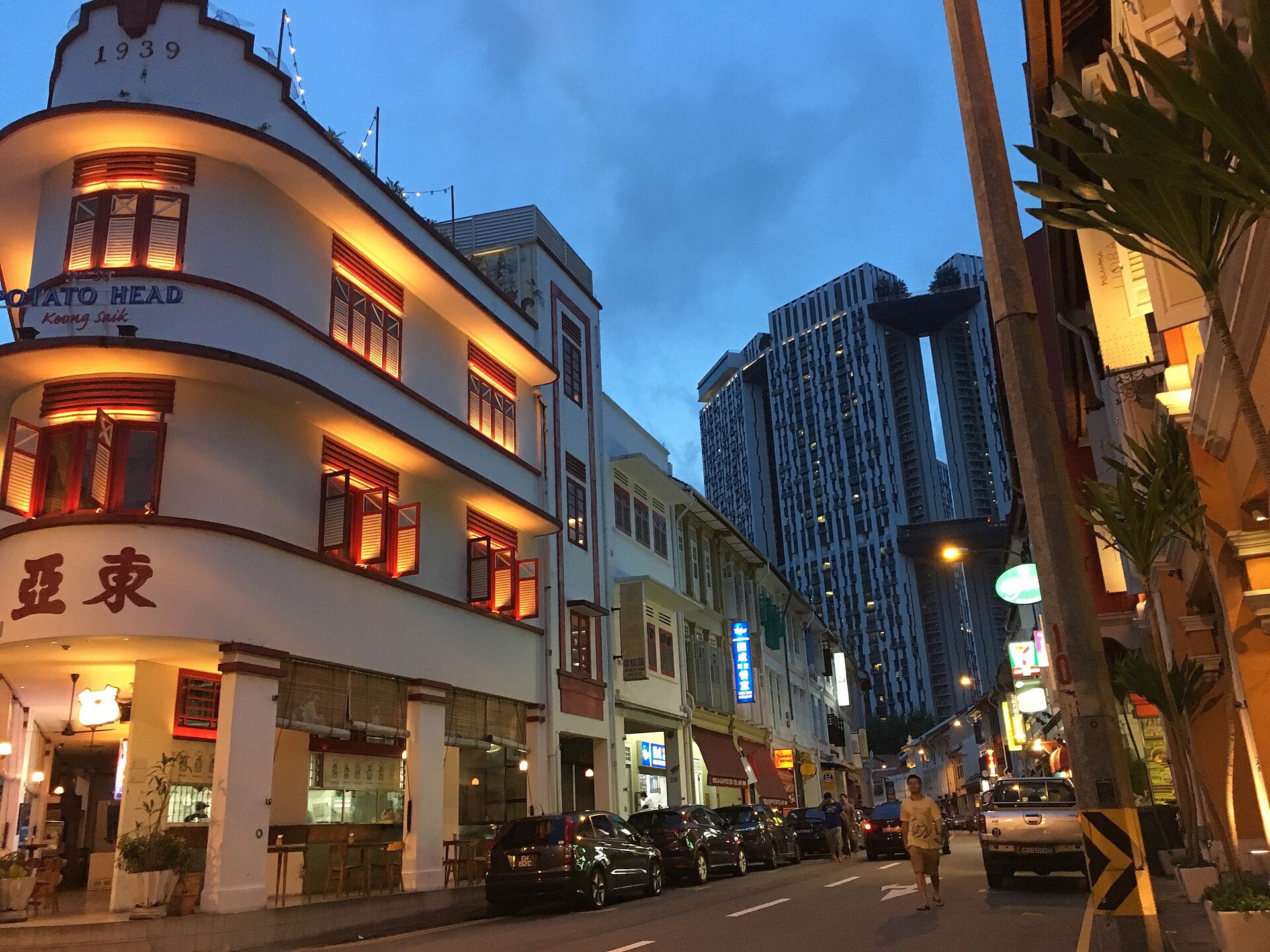
Hip Chinatown: Keong Saik, Ann Siang Hill & Duxton
A guide to Keong Saik Road and hip Chinatown – the cafes, cocktail bars and conserved shophouses of Ann Siang Hill, Duxton Hill and Bukit Pasoh.
Most visitors picture Chinatown as red lanterns, temple incense and rows of souvenir stalls. That version exists, but a few streets west and south the mood changes completely. Keong Saik Road and the lanes around it have become Singapore’s most stylish heritage pocket – the same century-old shophouses, only now they hold specialty coffee bars, low-lit cocktail dens and design-led hotels. This is the grown-up, after-dark side of Chinatown, and it rewards anyone willing to wander a couple of blocks off the tourist trail.
Why Keong Saik Road Feels Different
Keong Saik Road was named in 1926 after Tan Keong Saik, a Malacca-born Chinese businessman recognised for his contributions to the community. By the 1960s the street had a very different reputation – it was one of Chinatown’s red-light districts, its shophouses packed with brothels. When parts of Chinatown were gazetted for conservation in 1989, the old buildings were saved from demolition and slowly reborn.
That history is exactly why the street looks the way it does today. The two- and three-storey shophouses, with their five-foot-ways and painted facades, were restored rather than torn down, then handed to a new generation of cafe owners, bartenders and hoteliers. The result is a curving, photogenic street where Michelin-listed kitchens sit beside corner coffee shops and the energy shifts from quiet mornings to a busy hum after dark.
The Cafe & Coffee Scene
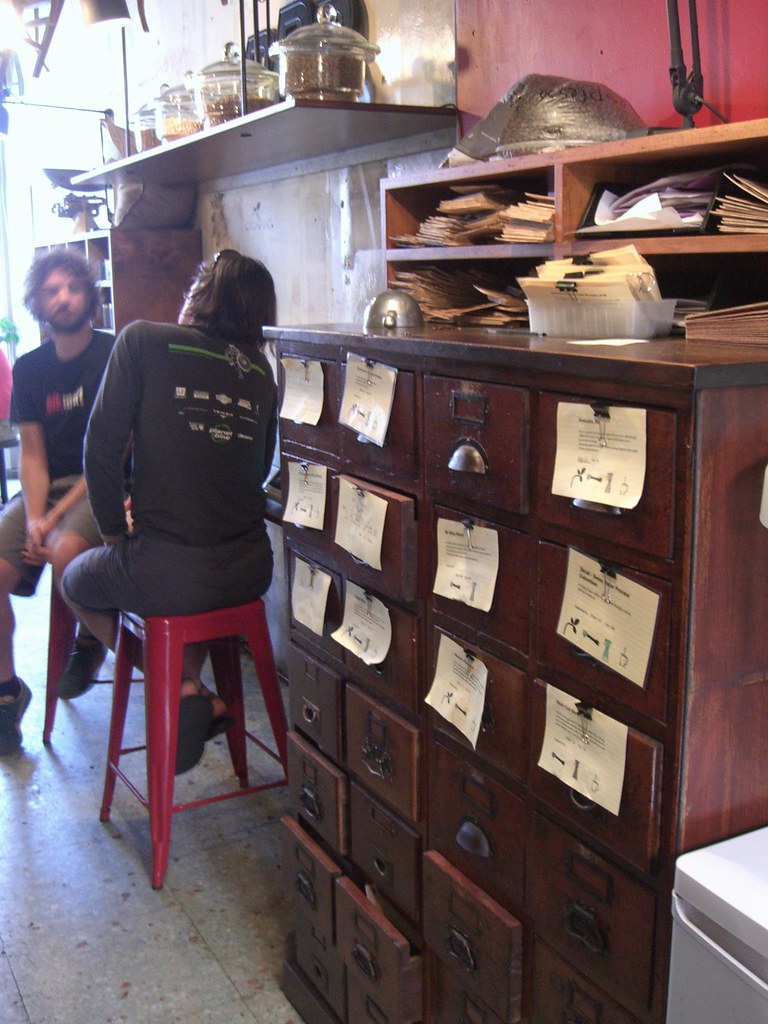
Keong Saik is one of the better places in Singapore for an unhurried morning. The street and its neighbours are dotted with independent cafes and specialty roasters, the kind that take their pour-overs seriously and serve proper brunch plates rather than tourist-menu fare. Because this is a working creative district as much as a nightlife one, mornings are calm – ideal for a flat white before the city wakes up.
A practical tip: most of these cafes open mid-morning and the brunch crowd builds toward the weekend, so an early-ish weekday visit gets you the quiet version of the street, with the light hitting the shophouse facades and far fewer people. Hours vary from spot to spot, so it pays to check before you go rather than assume an early start.
Ann Siang Hill & Club Street
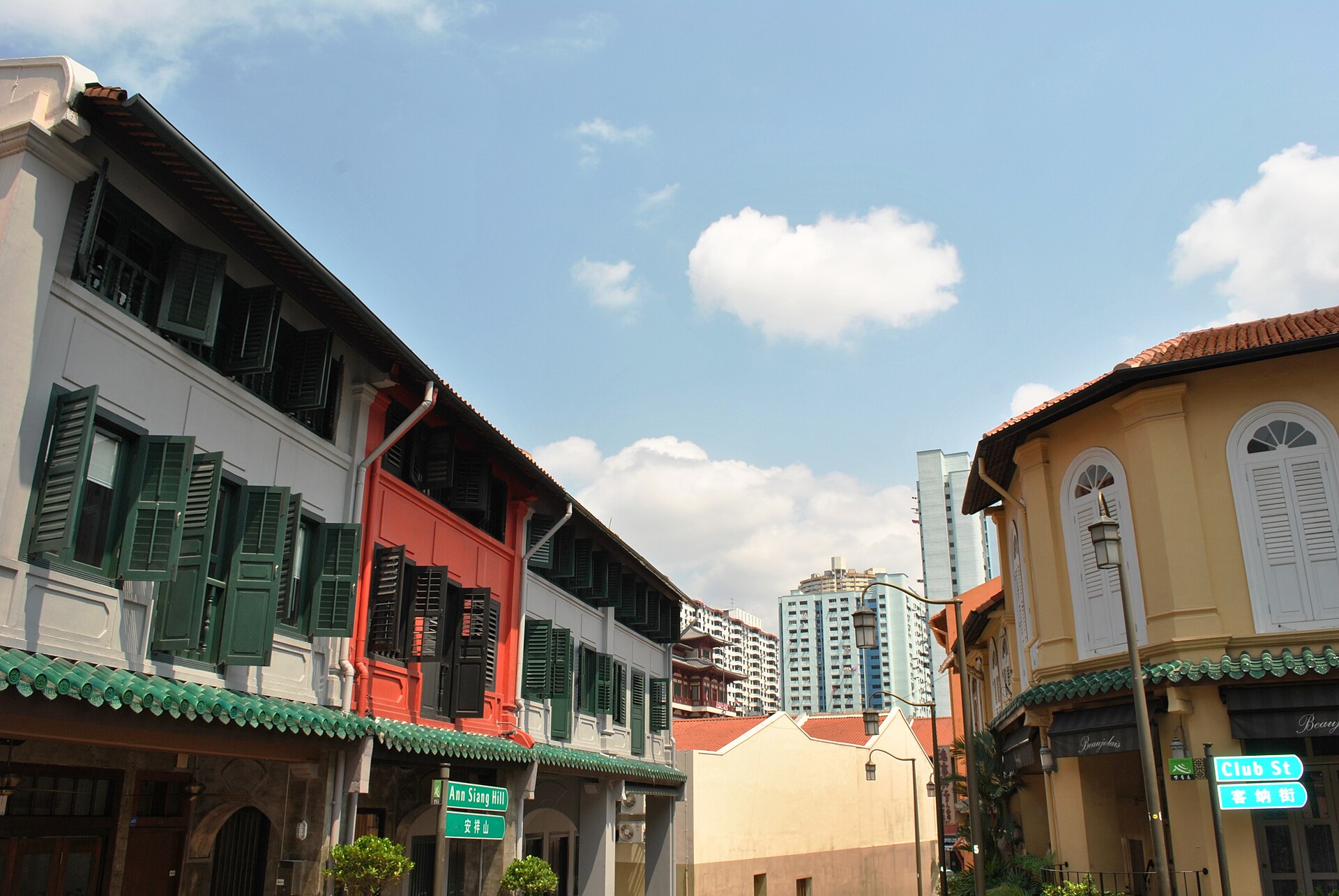
A short uphill walk takes you to Ann Siang Hill and the connected Ann Siang Road and Club Street. This little cluster is where heritage shophouses meet a polished bar-and-bistro scene – independent boutiques, wine bars, modern European bistros and Japanese counters tucked behind original wooden shutters and brick walls. There’s a small leafy park at the top of the hill if you want a breather and a view back over the rooftops.
The rhythm here is day-to-night. Afternoons are good for browsing and slow lunches; from early evening the pedestrianised stretches fill up and the area turns into one of the city’s favourite after-work drinking spots. For photos and a calmer stroll, come before the crowds; for atmosphere, come at dusk.
Duxton Hill & Bukit Pasoh
South of Keong Saik, Duxton Hill is a small, pedestrian-friendly pocket of restored shophouses that has quietly become one of Singapore’s top dining addresses. By day it’s shaded and sleepy; after sundown the alfresco tables and concept bars light up. You’ll find serious restaurants here, including Michelin-recognised kitchens, alongside speakeasy-style bars and wine bars – it’s more about settling in for a long dinner or a nightcap than bar-hopping.
Right beside it runs Bukit Pasoh Road, nicknamed the “street of the clans.” From the early 1900s it was home to close to thirty Chinese clan and cultural associations, many housed in pre-war shophouses with art deco detailing, and a number of these clan houses still stand today. It’s a quieter, more historic counterpoint to the bars a block away – a reminder that the immigrant community story underpins all of this neighbourhood’s polish.
How to Spend an Evening Here
The streets are compact and best linked on foot. A natural loop strings the four precincts together without much backtracking.
- Late afternoon: start with coffee or an early drink on Keong Saik Road while the street is still calm.
- Early evening: walk up to Ann Siang Hill and Club Street as the after-work crowd arrives.
- Dinner: head down to Duxton Hill for a sit-down meal among the lit-up shophouses.
- Nightcap: finish at a quiet bar, or detour along Bukit Pasoh Road to see the old clan houses by night.
If your evening is really about the bars, the area runs straight into the rest of Chinatown’s drinking scene – for a proper rundown of where to drink, see our Chinatown nightlife guide, which covers the bar listings in detail. This guide is more about the streets, the cafes and the atmosphere that tie them together.
Getting There & Staying Close
All four precincts sit within a short walk of each other and of Chinatown, Maxwell, Tanjong Pagar and Outram Park MRT stations, so you can arrive on the train and explore entirely on foot. The same walkable grid runs straight on into Telok Ayer and Tanjong Pagar if you want to keep exploring. There’s no need for taxis between stops – the whole point of this corner of Singapore is the slow wander from one shophouse street to the next.
It also helps enormously to be based nearby. Staying within walking distance means you can drift back for a morning coffee, return after a late dinner without worrying about transport, and dip into the quieter precincts when the crowds thin. If you want a hostel in Chinatown, Singapore, close to the buzz, Rucksack Inn sits in a heritage shophouse on Temple Street a few minutes’ walk from these cafes and bars — close enough to turn them into an extension of where you’re staying rather than a special trip across town. Budget bunk dorms and a sociable common area suit the neighbourhood’s easy-going, late-night feel.
A Few Things Worth Knowing
The neighbourhood shifts character through the day, so timing matters. Weekday mornings are for coffee and quiet photos; evenings, especially toward the weekend, are when the bars and restaurants come alive. Many venues here are small and popular, so booking ahead for dinner is wise, and individual opening hours are worth a quick check since this is a scene that changes faster than the rest of Chinatown.
Keong Saik Road and its neighbours prove that Chinatown is far more than its postcard image. Spend an evening drifting between the cafes of Keong Saik, the bistros of Ann Siang Hill, the dinner tables of Duxton Hill and the old clan houses of Bukit Pasoh, and you’ll see a side of the district that most day-trippers miss entirely – heritage and hip in the same breath.
Related reading