
|
Harmony Street: The Temples & Mosques of Melaka
A walking guide to Harmony Street Melaka, where Cheng Hoon Teng Temple, Kampung Kling Mosque and Sri Poyatha sit side by side. Hours, etiquette and route.
One short stretch in old Melaka holds a Chinese temple, an Indian Muslim mosque and a Hindu temple within a two-minute walk of one another, and they have shared the same lane for centuries. Locals call it Harmony Street, and it is one of the clearest, most moving illustrations of the multicultural city that grew up around the Strait of Malacca. If you only have time for one slow walk in the old town, make it this one.
Where is Harmony Street?
Harmony Street is the nickname for a single road that runs parallel to the Jonker Street night-market strip, just a few minutes on foot from it. Confusingly, the road carries three names along its length, one for each old trade quarter: Jalan Tukang Emas (Goldsmith Street), Jalan Tukang Besi (Blacksmith Street) and Jalan Tokong (Temple Street). You will see all three on signs and maps, and they all refer to the same continuous lane.
The name comes from the simple fact that three different faiths have worshipped here side by side for generations. It sits squarely inside the UNESCO-listed heritage core, so you can fold it into a wider wander past the shophouses, clan associations and the museums of Melaka without backtracking.
Cheng Hoon Teng Temple
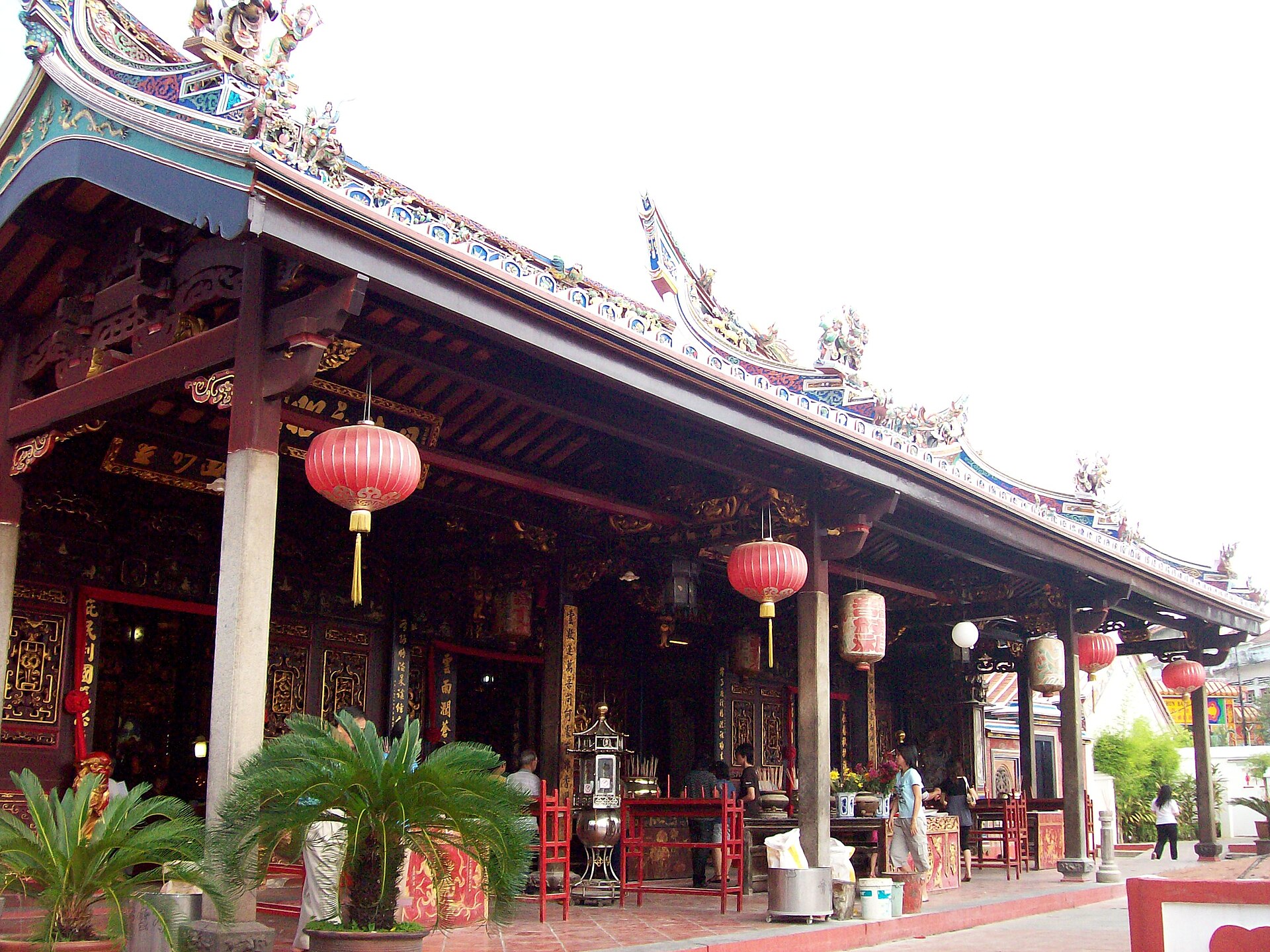
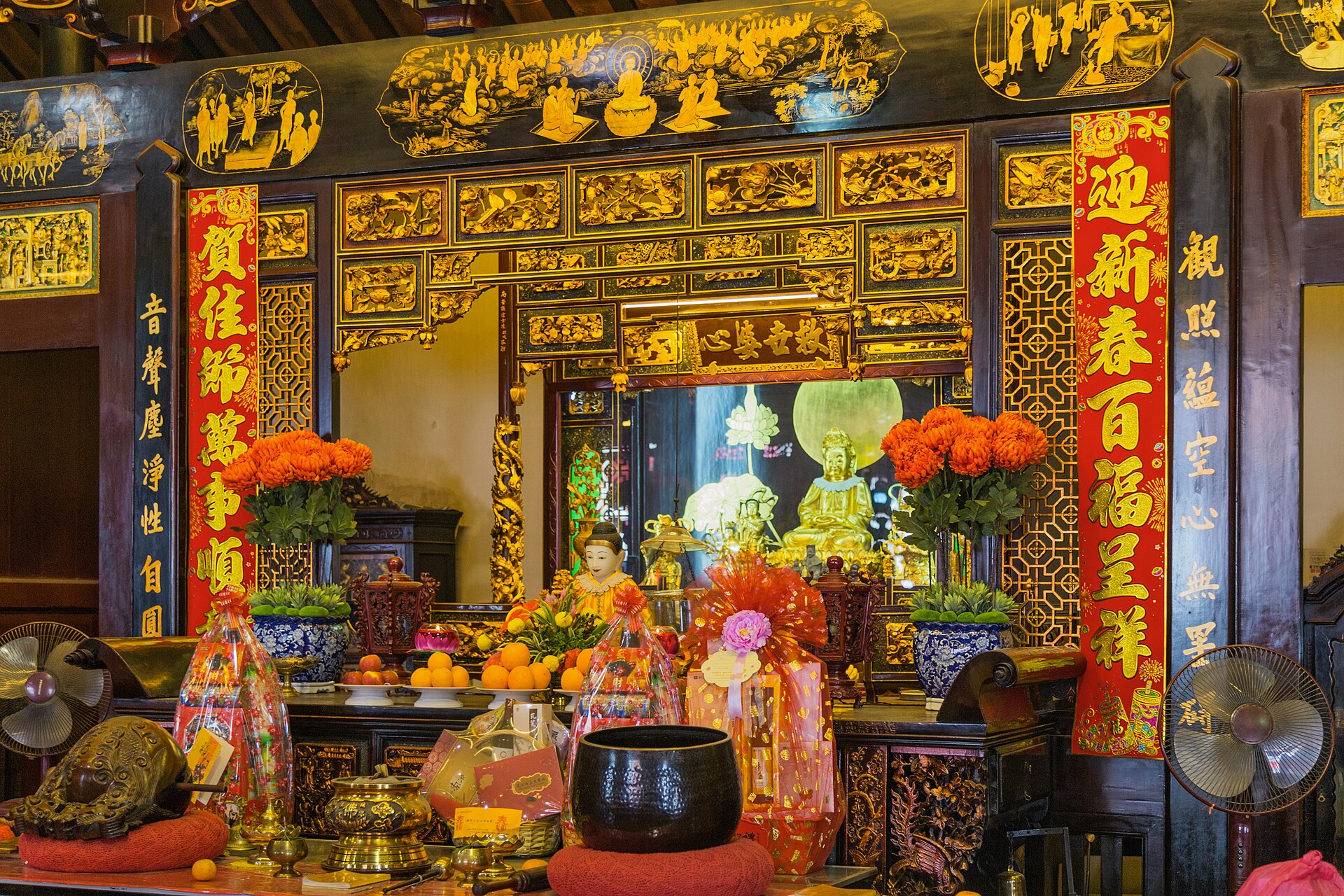
Cheng Hoon Teng, the Temple of the Merciful Cloud, is the headline stop and the oldest functioning Chinese temple in Malaysia, founded in the mid-1640s during the Dutch period. It serves all three of the Chinese doctrinal traditions, Taoism, Confucianism and Mahayana Buddhism, under one roof, and its restoration earned a UNESCO Asia-Pacific heritage award.
Step inside and the detail rewards slow looking: imported southern-Chinese timber and tilework, gilded carvings, and ridgelines crowded with mythical figures and porcelain shard mosaics. Entry is free. It generally keeps long daily hours from early morning to early evening, so it is easy to slot in whenever you arrive.
Kampung Kling Mosque
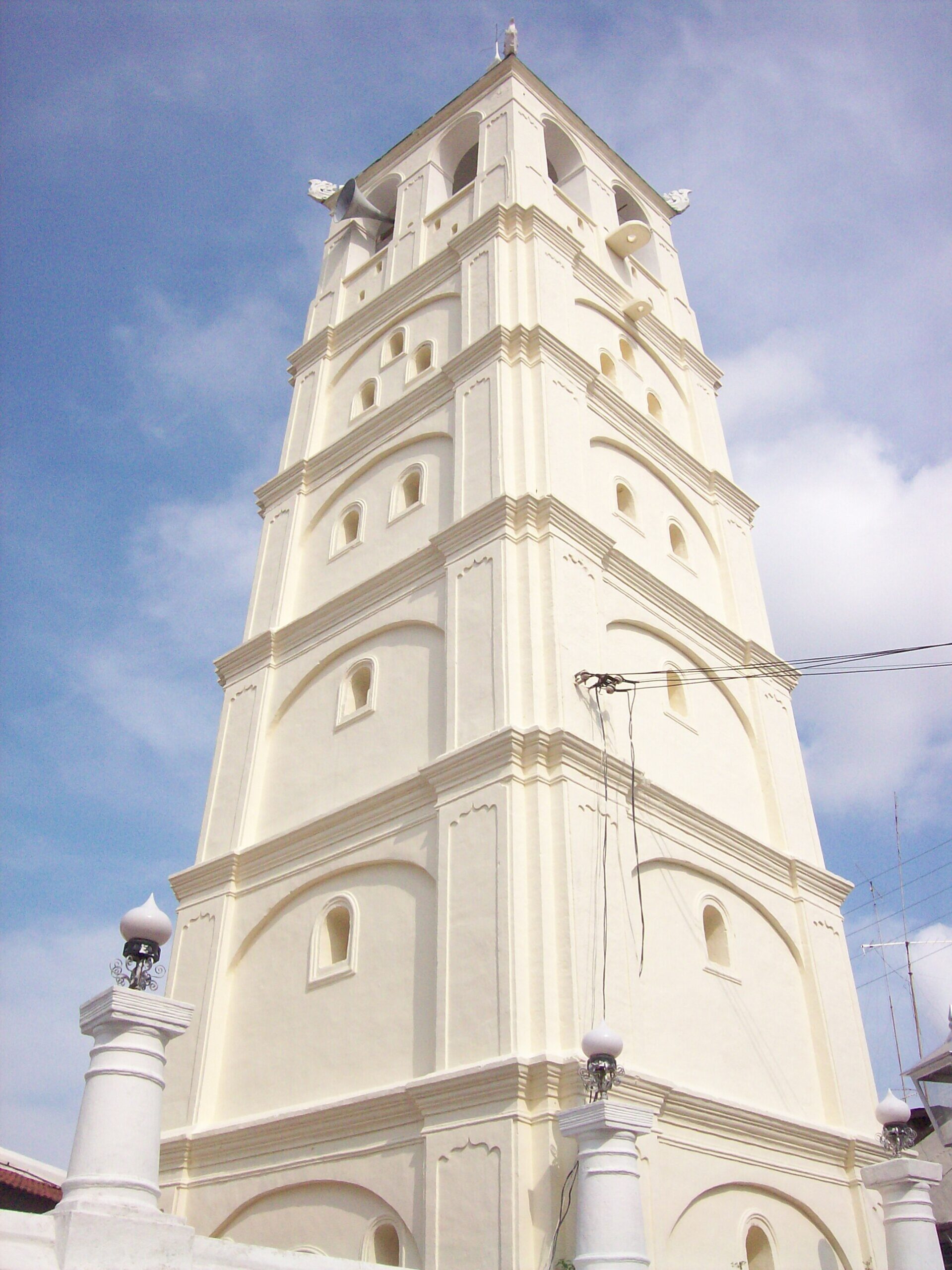
A few steps along, Kampung Kling Mosque is a striking reminder that Melaka’s traders came from across the Indian Ocean. The original was built in the 1740s by Indian Muslim merchants and later rebuilt in brick. What makes it unusual is the architecture: instead of the domes and Moorish arches most travellers expect, it has a tiered pyramidal roof and a pagoda-like minaret, blending Sumatran, Chinese, Hindu and Malay influences with European tiles and columns inside.
It remains an active mosque, so visiting hours work around the five daily prayers and the building may be closed to non-worshippers at those times. Dress modestly, covering shoulders and knees, with a head covering for women; robes are sometimes available to borrow at the entrance.
Sri Poyatha Vinayagar Moorthi Temple
Completing the trio is Sri Poyatha Vinayagar Moorthi Temple, widely regarded as the oldest functioning Hindu temple in Malaysia. It was built in 1781 on land granted to the leader of the Chitty community, the descendants of early Tamil traders who settled and intermarried in Melaka centuries ago.
The temple is dedicated to Vinayagar, the elephant-headed deity also known as Ganesha, with a second shrine to Lord Muruga. Its facade is far plainer than the towering carved gopurams of South Indian temples, reflecting the distinct, restrained Chitty style. It is small and easy to miss, so look for the modest gateway rather than a grand tower.
Etiquette for visiting
All three are living places of worship, not museums, and a little courtesy goes a long way.
- Dress modestly: cover your shoulders and knees at every stop; bring or borrow a scarf for the mosque.
- Shoes off: remove footwear before entering the mosque and the Hindu temple, and follow any signs at the Chinese temple.
- Mind prayer times: the mosque restricts visitors during the five daily prayers, so plan around them or simply admire the exterior.
- Photography: generally fine in courtyards, but ask before photographing people praying, and look for “no photos” signs inside prayer halls.
- Keep it quiet: speak softly, switch your phone to silent, and step aside for worshippers.
A simple walking route
The three sites sit so close together that you can see all of them in well under an hour, though it is worth lingering longer. A relaxed approach is to start at Cheng Hoon Teng, the largest and most ornate, then stroll the lane to Kampung Kling Mosque and finish at Sri Poyatha, which is only a short distance further along.
Because the street threads off the Jonker area, it pairs naturally with the surrounding old town. The communities behind these buildings are part of the same mixed heritage you can read about in our piece on Peranakan culture in Melaka, which gives the architecture and food around here a lot more meaning.
Mornings are the calmest time to visit, before the day-trip coaches arrive and the heat builds; the lane also looks lovely in the softer light of late afternoon. Whichever you choose, wear comfortable shoes, as the pavements are uneven and you will be on and off them at each doorway.
Frequently asked questions
A few practical things travellers tend to ask before walking Harmony Street.
- How long do I need? You can comfortably see all three buildings in around 30 to 60 minutes, but allow longer if you want to sit, watch the rituals and wander the surrounding lanes rather than rush through.
- Is there an entrance fee? No. Entry to Cheng Hoon Teng Temple, Kampung Kling Mosque and Sri Poyatha is free; a small donation box is usually available if you would like to contribute.
- What are the temple hours? Cheng Hoon Teng typically opens daily from around 7am to 7pm. The Hindu temple keeps similar daytime hours, while the mosque closes to visitors during its five daily prayers, so it pays to arrive between prayer times.
- How do I get there? It is roughly a five-minute walk from the Jonker Street area, so most visitors simply stroll over. Driving is less appealing, as parking in the heritage core is tight and the old streets are narrow; if you do drive, expect to leave the car in a public lot a short walk away.
- What should I wear? Modest clothing that covers your shoulders and knees works for all three sites. The mosque is the strictest, and women should cover their hair; if you arrive underdressed, robes or scarves can sometimes be borrowed at the entrance.
- When is the best time to go? Early morning is quietest and coolest, before the tour coaches and midday heat; late afternoon offers softer light if you prefer to lie in.
Making the most of your visit
Harmony Street is best enjoyed unhurried, woven into a half-day on foot rather than ticked off in a rush. Staying inside the heritage zone makes that easy, letting you wander out early, retreat from the midday sun, and return as the streets cool. For ideas on a heritage-zone base in Melaka within walking distance of these temples, our accommodation guide breaks down the options. Rucksack Inn Premium Melaka is one such base, a few minutes’ walk from Harmony Street, with a pool and a spread of rooms for a midday retreat from the heat — twin and queen privates, a family suite, a Garden Suite with a jacuzzi tub, and small ensuite dorms.
Three faiths, one quiet lane, centuries of getting along: Harmony Street is small, free to walk and genuinely one of the most thoughtful stops in the old town. Take it slowly, dress with respect, and let it set the tone for the rest of your Melaka wander.
Related reading